
From visual artist born and raised in Athens, Efi Laskari, we share a highly personal project titled ‘11:10 a.m.’ It is a poetic portrayal of a farewell, the departure of a loved one that forever marks the morning hour.
Through the collection of gritty distorted images and harsh shadows, Laskari tries to encompass the most inexplicable and mysterious moment of life—its end. “My work is both an investigation and an invitation—a way of confronting the past, engaging with the present, and imagining a more conscious, compassionate future,” she says. This is exactly what processing our grief can help us achieve. To remember, to create, and to plan.
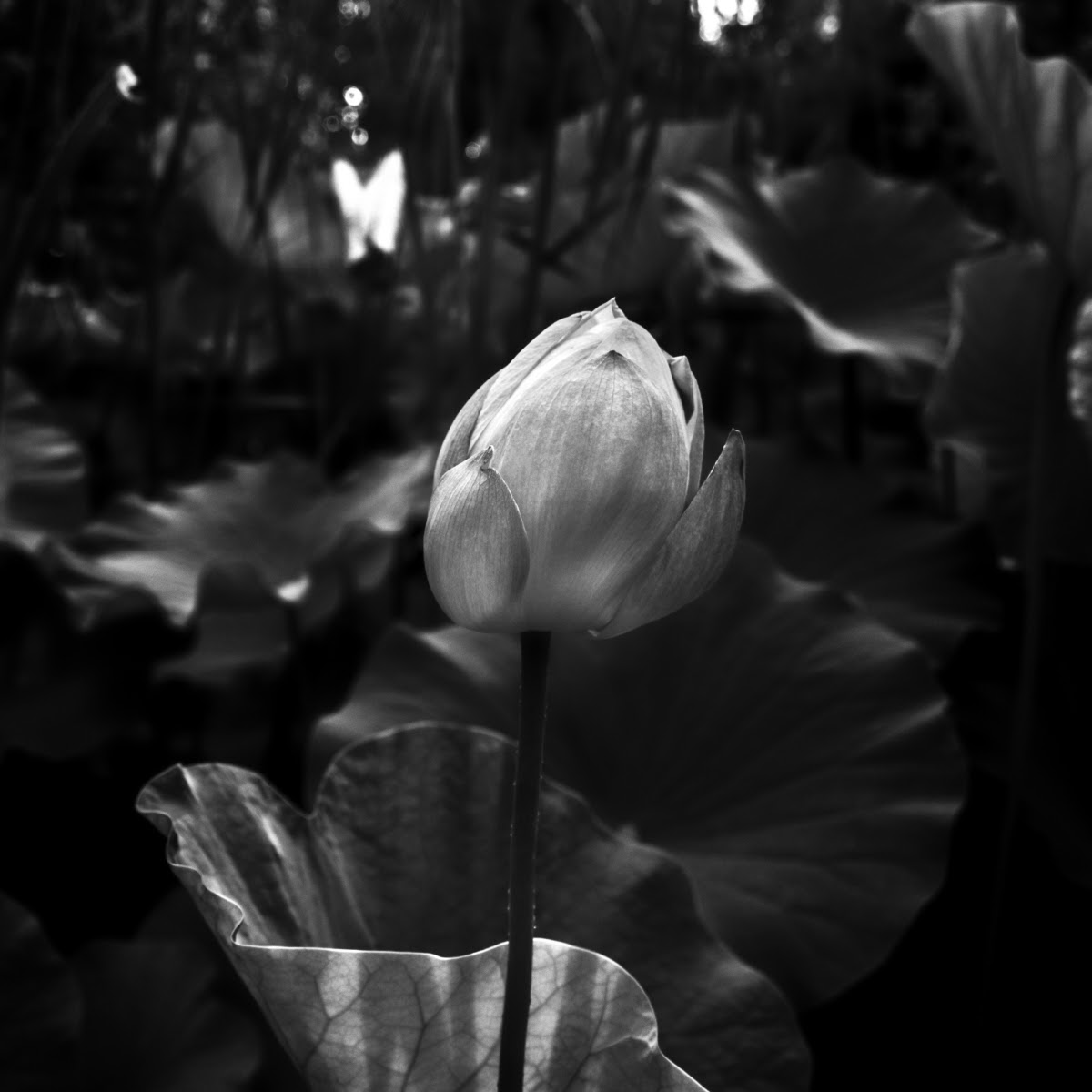
A flower will wither, but it will also bloom; the painting will fade, but it will also adorn; the photo will fold, but it will also immortalize; the shadow will disappear, but it will also remind us that there is light. Nothing that holds ultimate beauty and value is permanent. Laskari explores that sentiment in the ‘11:10 a.m.’ series from both an intimate and artistic perspective.
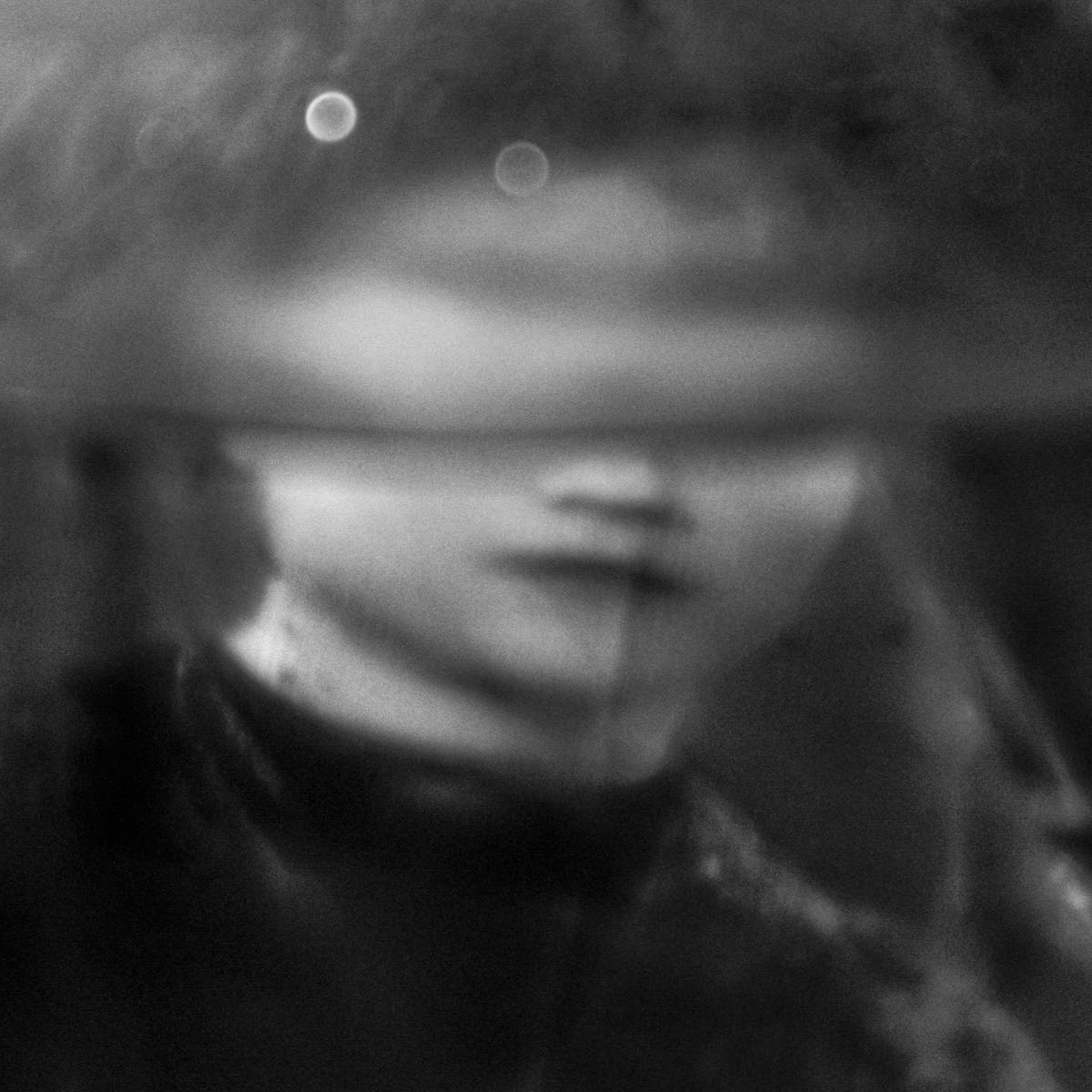
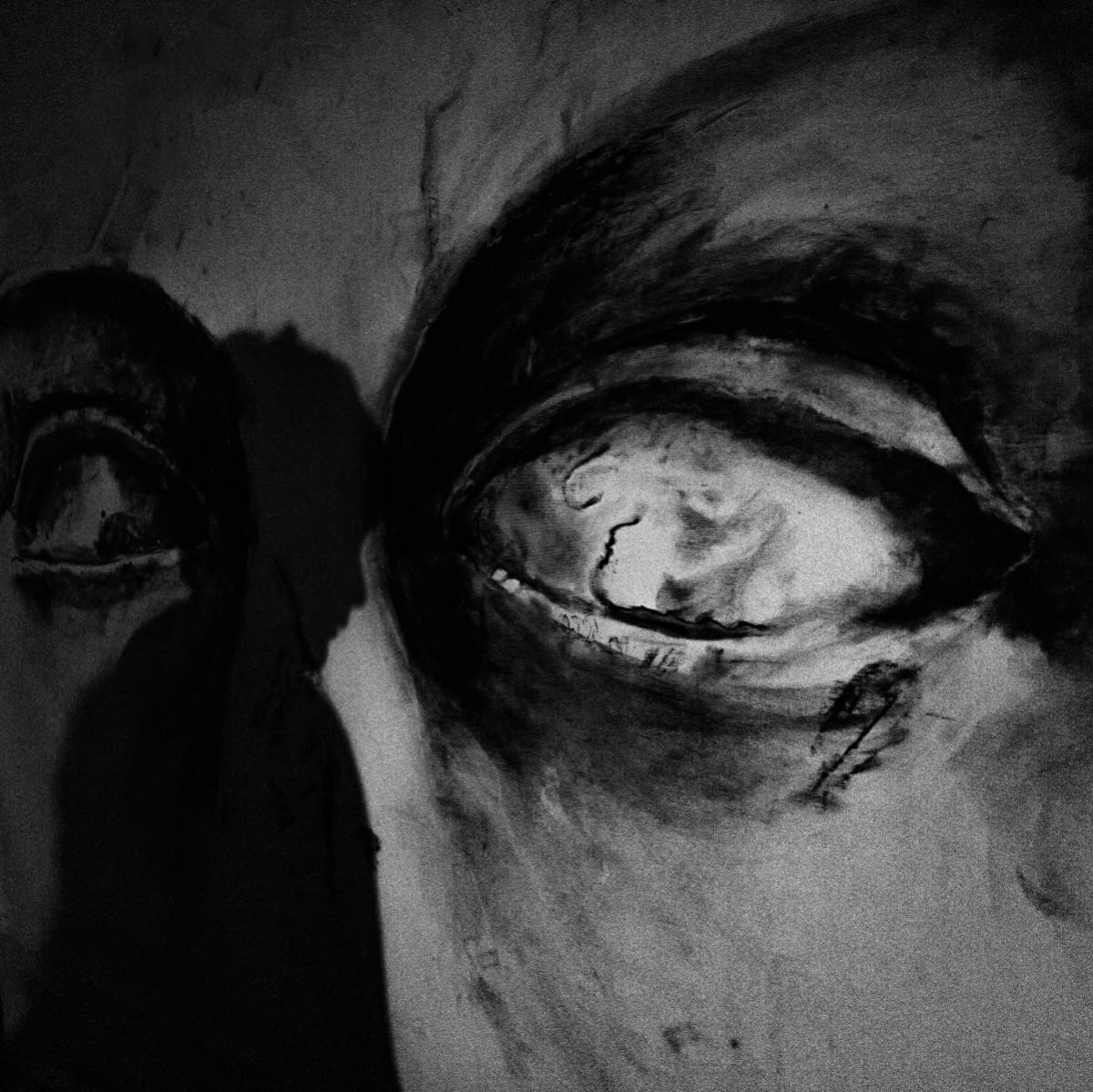
The photographer approaches this series with both objectivity and heartfelt sorrow, presenting flashbacks of memories through sensitive, monochrome captures, as seen through the eyes of someone on their deathbed. They are heavy, yet freeing; quiet and tender, yet charged with organic symbolism and a gravitas that alludes to ideas of ephemerality and a definitive parting of ways.
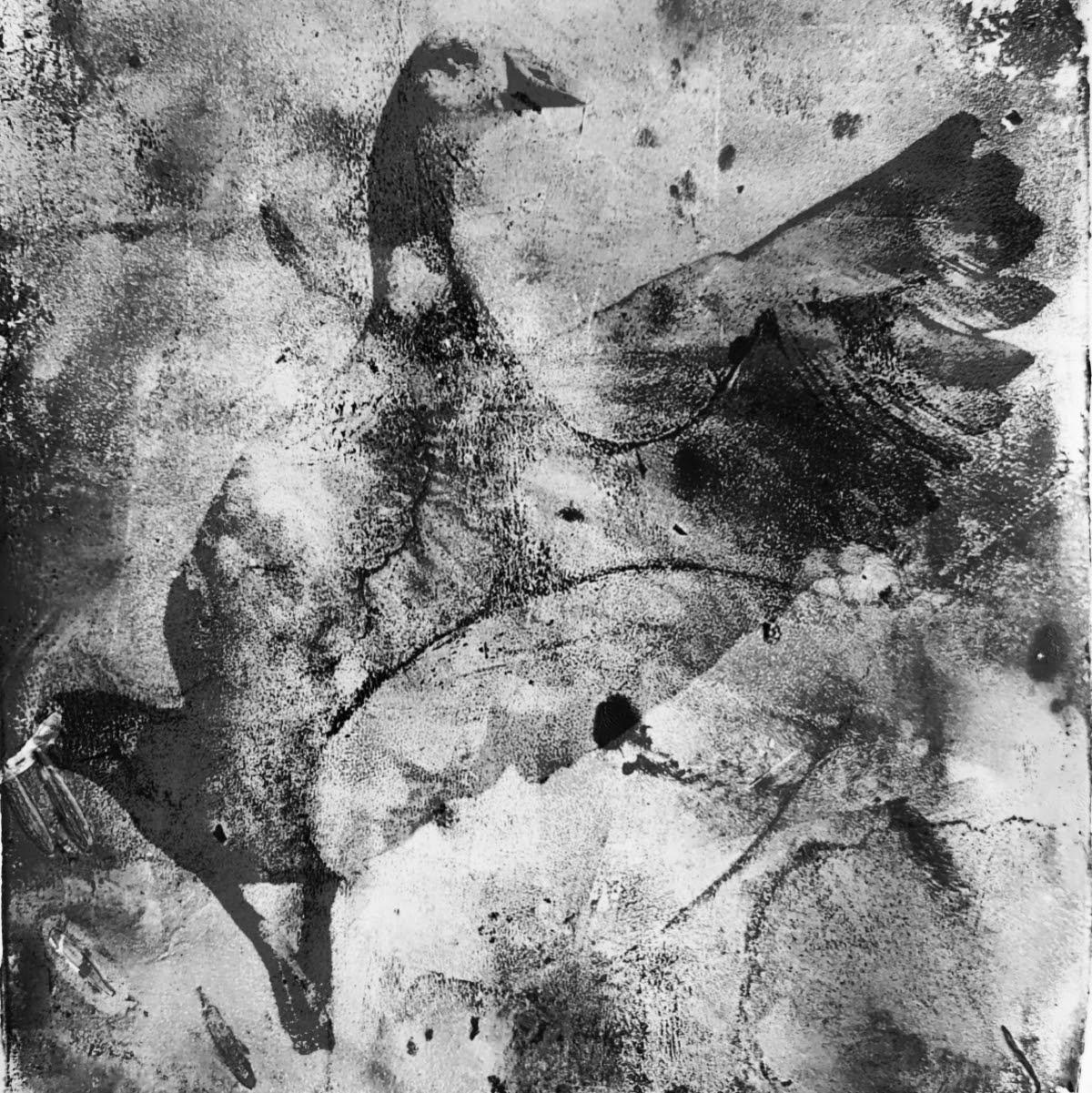
Be it the sketch of a fleeting bird on a textured wall, late-blooming flowers, or a slow-moving, diffuse glare through a glass of water, each evokes a gentle sense of impermanence and the unalterable passage of time. There is a sacredness, an austere atmosphere, in Laskari’s photography, which demands respect and encourages us to contemplate and, at the same time, to accept and give things the honor they deserve.
Artist’s Note:
“These photos are part of my project ‘11.10 am.’ 11:10 a.m. is a personal record of time at the very moment it ceases to be measured. The title is not simply an hour; it marks the threshold between presence and absence—the instant when breathing stops and time stands still.
As my mother’s caregiver, I witnessed her final moments breath by breath. There was nothing dramatic about this experience. It was quiet, slow, almost imperceptible. The body gradually transformed into a landscape. Skin into cracked earth. The gaze into a dark opening. Presence into a shadow behind blurred glass.
The images move between the literal and the symbolic. Cracked surfaces, obscured faces, dark apertures, a clock seen through a window. Each element becomes a metaphor for erosion, waiting, and the slow act of departure. The body becomes a site of memory, and the landscape becomes a body. Material textures—fractures, moisture, and shadows—mirror both physical dissolution and the profound tenderness embedded in caregiving.
In ‘11:10 a.m.’, loss is not presented as a dramatic climax but as a process of observation. The act of caregiving transforms into an act of witnessing. Each photograph is a breath recorded just before it disappeared. A gaze that no longer responds. A time that continues to move forward, even though for us it has already stopped.
This work is not only a farewell. It is an attempt to preserve the relationship through the image—to give form to something formless: the passage, the in-between moment when life quietly withdraws.
At 11:10 a.m. time ended for her. Through these images, it continues to breathe within me.”
Read our “Roots” issue in full
The new theme, born as usual from what the submitted works held in common, is “ROOTS.” Within its pages, we present the artworks, creativity, and inspiration of 60 visual artists and writers from 21 countries around the world. Their diverse voices come together around a shared exploration of the return to where one belongs, the invisible threads of tradition that shape identity, and the ongoing reconnection with nature, others, and oneself.


We’re a team of writers using our craft to spotlight art in its most honest form. RAWGUE. started as a bi-monthly editorial experiment where each issue’s theme is dictated by the submitted work, thus removing editorial bias from the equation and preserving a more raw approach. We focus on all forms of poetry: written, photographed, painted, drawn, and filmed.

