
Colin Gray is an American contemporary photographer who focuses mainly on depicting the urban landscape and evoking what he refers to as “urban solitude.”
His high-contrast, liminal works document the implicit razzle-dazzle of the city—a persistent and impenetrable conglomeration of tiresome industrialism, constant deafening white noise, and overstimulating, seizure-inducing visuals. Within all that, there are cracks: small windows of quietude through which resilient nature permeates.
It is almost as if the photographer runs through a rapid and perpetual flipbook of cityscapes, only pausing to take his time when noticing hidden nature breaking through. Human subjects appear only by chance, as mere by-products of their surroundings; traditional portraiture is not even considered. This absence of human presence, combined with chromatic aberration, creates an even more unsettling feeling, enhancing the concept of solitude mentioned at the beginning, despite nature fighting for space in the background.
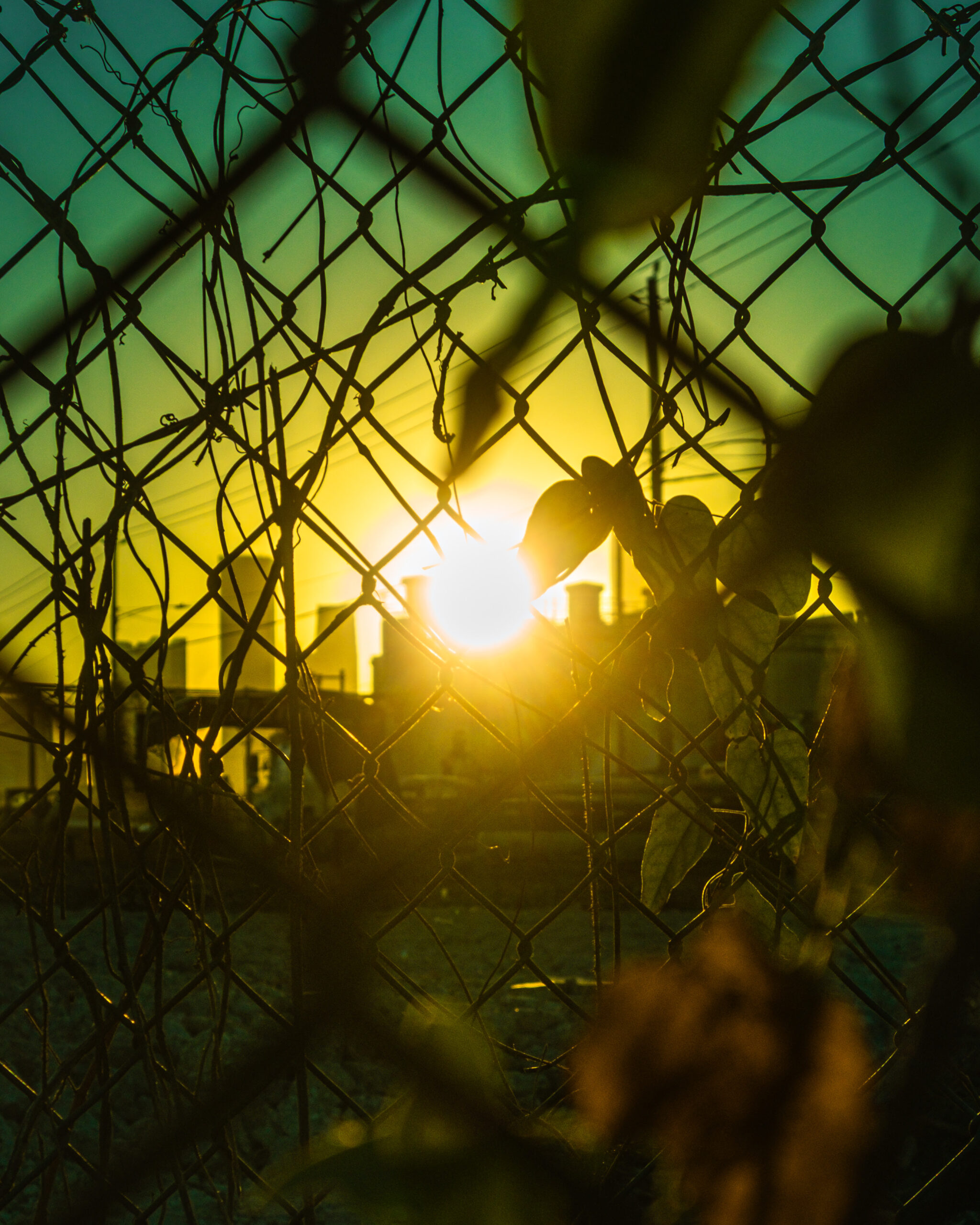
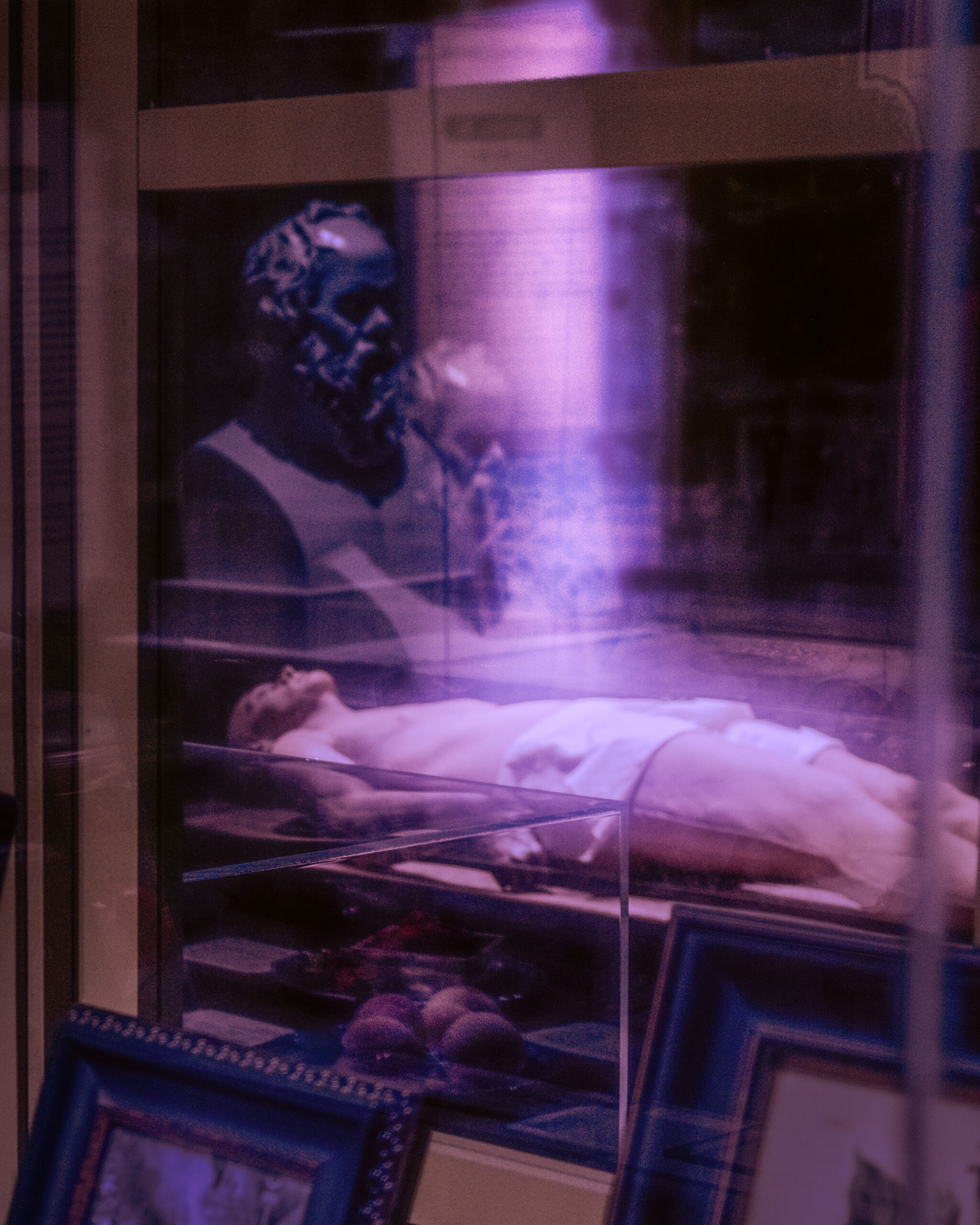
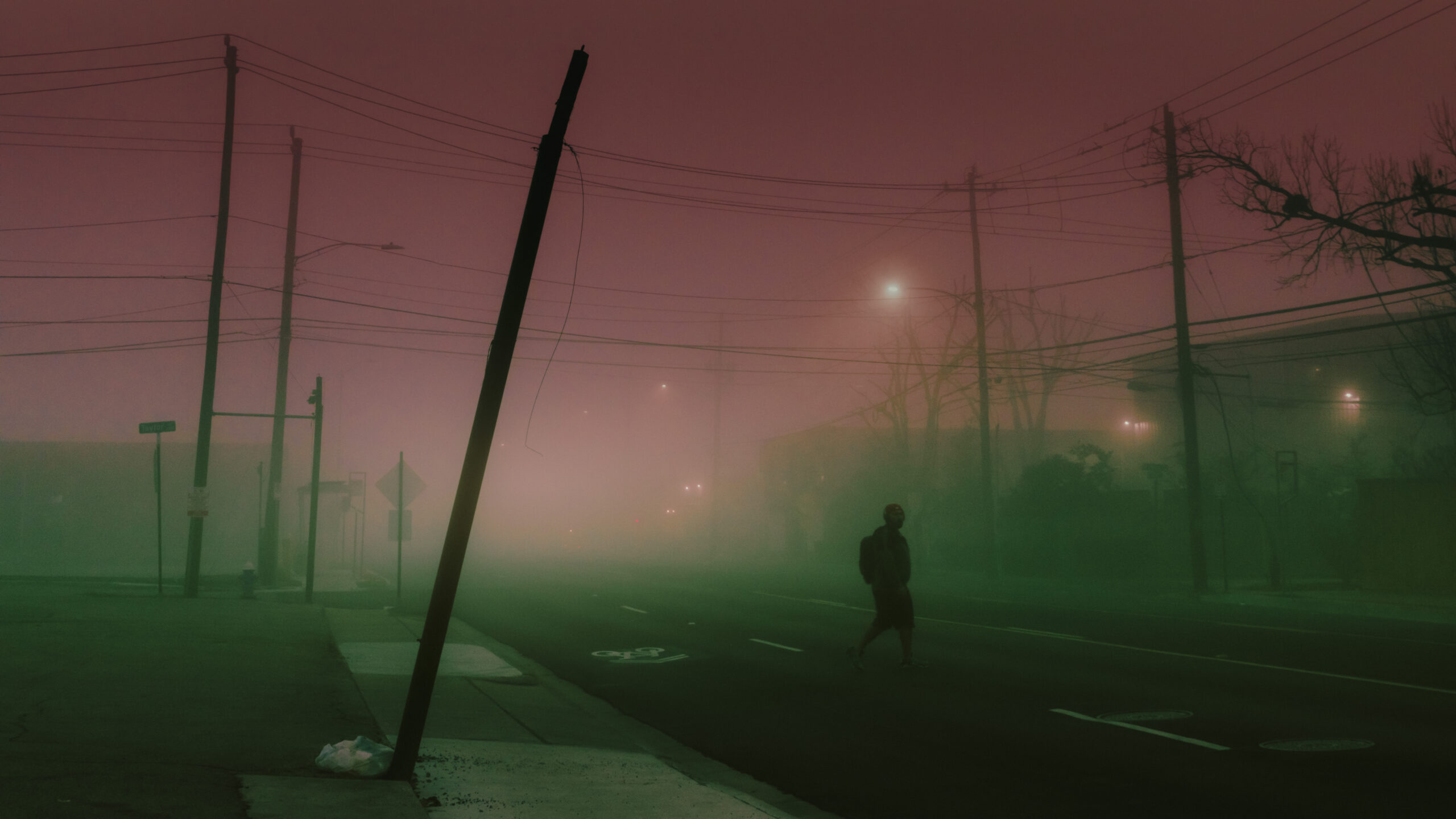
Gray documents the life of a bustling city with equally radiant colors. His consistent vision is a technicolor diary of an observer that refuses to perceive things literally. The photographs are bathed in a soft and nostalgic hue, and the dirty, ugly edges of the city are smoothed out.
The artist offers an escapist version of reality where every sunrise is glowing and every neon sign shines bright. It could be read as a romanticization of late-capitalist metropolises. But it is more than that, or rather something completely opposite. It is a journey of dissection and looking for depth. In the end Gray sees human existence as a busy affair, obsessed with building legacy, establishing control, and gaining advantage. He dives into comic-book-like aesthetics to tackle these observations and to shed different light on it all.
Read our “Aberration” issue in full
The 31 artists featured in RAWGUE. Magazine’s 5th issue stray from the expected, taking untrodden paths, contemplating imperfection, solitude in its many forms, and the ongoing process of self-acceptance. Through shifting perspectives, their works explore what it means to look at oneself from the outside, as if through broken glass.


We’re a team of writers using our craft to spotlight art in its most honest form. RAWGUE. started as a bi-monthly editorial experiment where each issue’s theme is dictated by the submitted work, thus removing editorial bias from the equation and preserving a more raw approach. We focus on all forms of poetry: written, photographed, painted, drawn, and filmed.

