
Berta Viteri, a Spanish-Ecuadorian philosopher and visual artist, blends experimentation with elements of symbolism, mythological archetypes, and the shift between nature and culture.
Their work represents an almanac of retellings of ancient rituals applied to contemporary concepts, which develop organically into hybrid artifacts of reality. In the “Summer’s Cold” series, Viteri approaches “leisure spaces photographed out of season” in a daring attempt to capture the visceral atmosphere of places that, devoid of human presence, have lost their souls. It is a story of playgrounds becoming quiet wastelands of unfulfilled dreams and lingering hopes.
Full description of the project, as beautifully presented by the artist:
“[Summer’s Cold] explores leisure spaces photographed out of season: summer places in winter, emptied of bodies, gestures, and use. Tennis courts, gardens, holiday houses, and paths designed for rest and pleasure appear suspended, stripped of their function. What remains is not simply absence, but a subtle form of absurdity.
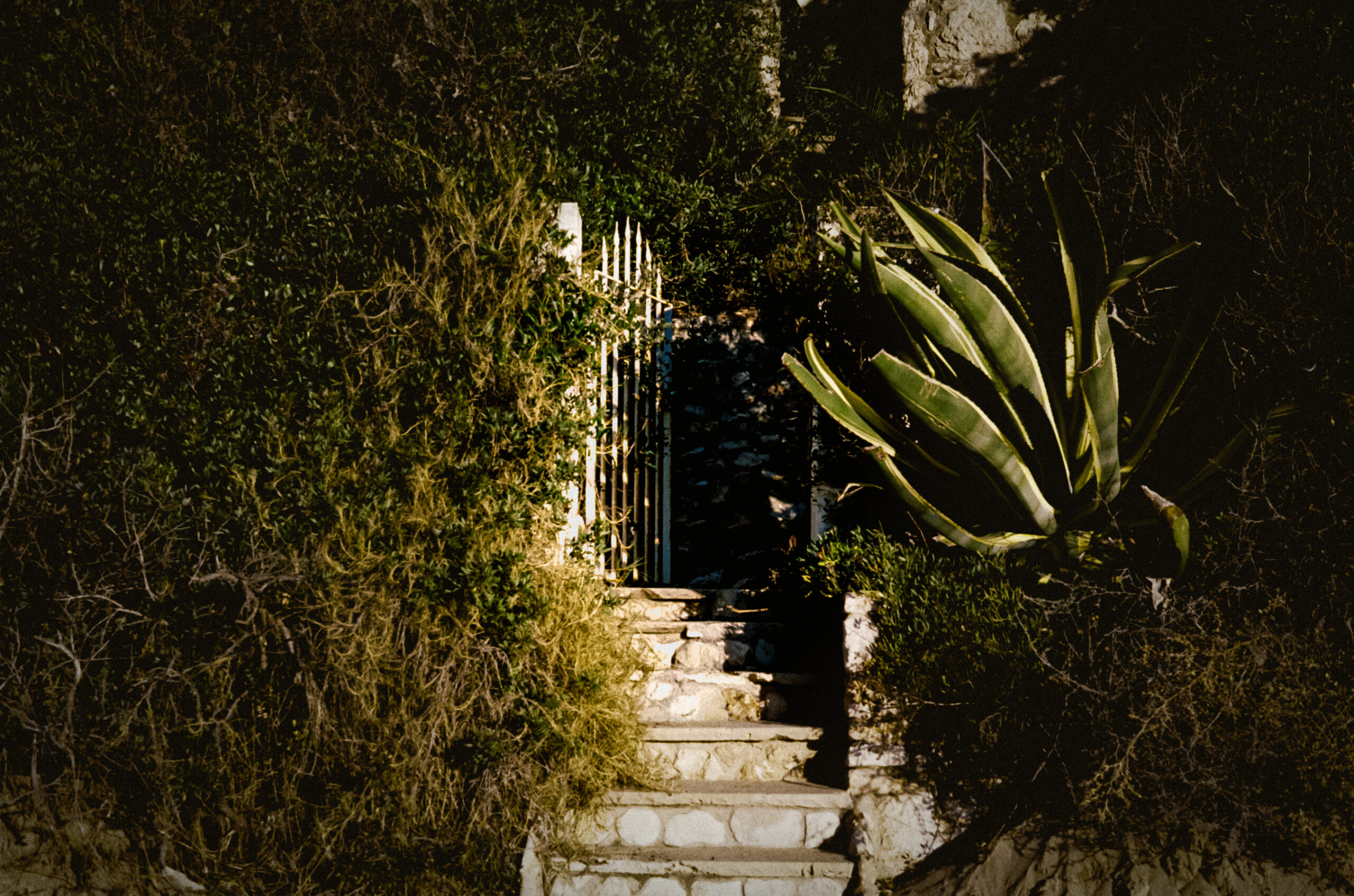
These spaces were conceived as temporary escapes from productivity, as sites devoted to enjoyment, recreation, and the promise of happiness. Yet when consumption ceases—when no one plays, rests, or inhabits them—they reveal an unexpected desolation. Pleasure, here, is shown as something that requires activation: without bodies, without ritualized use, these architectures of leisure fall into a state of quiet disuse, hovering between care and abandonment.
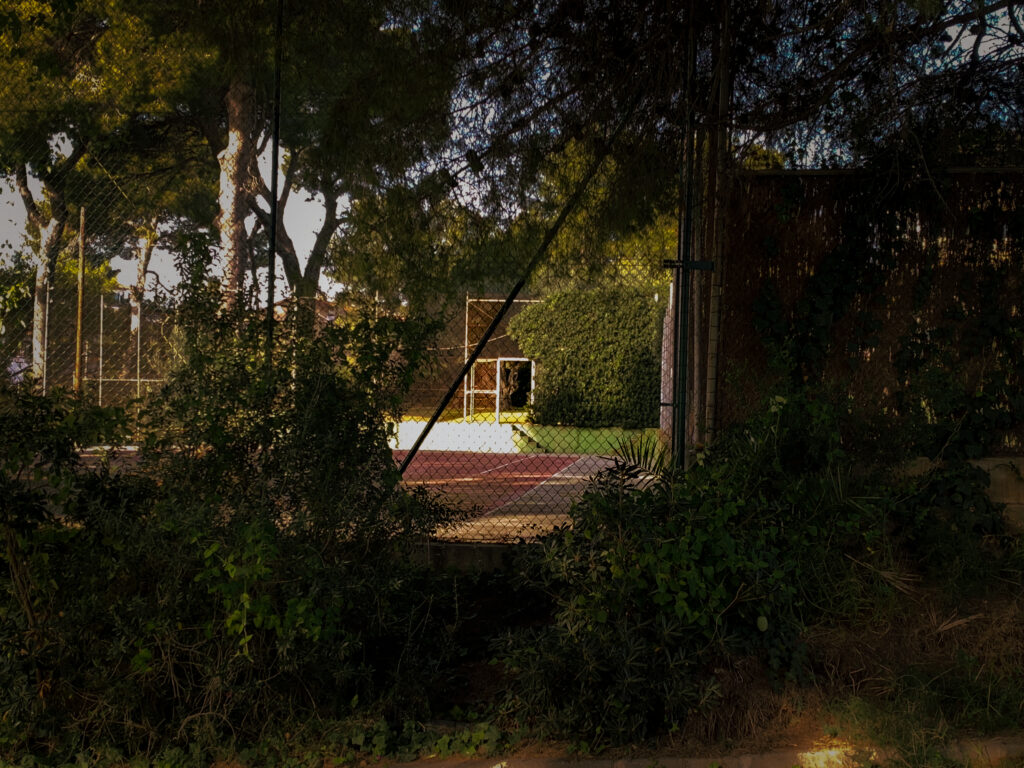
The photographs emphasize thresholds, fences, paths, and entrances—structures that suggest access but no longer lead anywhere. Nature slowly reclaims these places, not violently, but through growth, shadow, and indifference. Light filters in unevenly, often fragmentarily, reinforcing the sense of partial visibility and latent meaning. The images resist nostalgia and instead propose a suspended present, where time feels slightly out of joint.
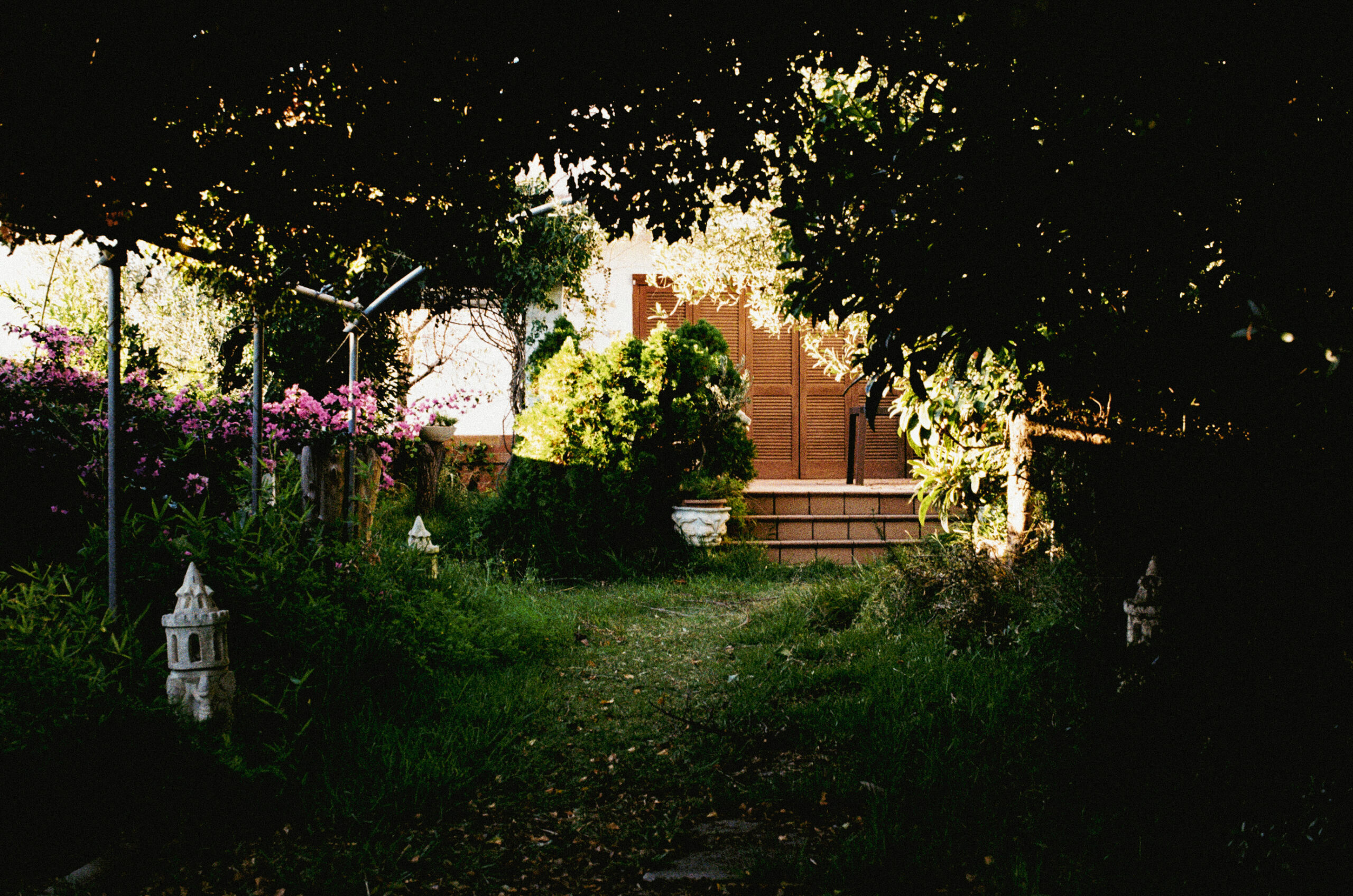
By photographing these locations in winter, the project questions the logic of enjoyment under late capitalism: spaces designed to compensate for labor and exhaustion become strangely empty once their function is paused. The work does not mourn their loss but observes their silence. In this stillness, leisure reveals its dependency on consumption—and its fragility when that cycle is interrupted.
What emerges is a landscape of pause: spaces waiting, perhaps indefinitely, for a desire that no longer arrives.”
Read our “Camouflage” issue in full
RAWGUE.’s 4th issue delved into the grey, moody, and cold atmosphere of winter. Yet it did not sink into the depths of madness or depression. Instead, it embraced this season of hibernation, allowing 31 artists from all over the world to present their timid work beneath a veil of quiet beauty.


We’re a team of writers using our craft to spotlight art in its most honest form. RAWGUE. started as a bi-monthly editorial experiment where each issue’s theme is dictated by the submitted work, thus removing editorial bias from the equation and preserving a more raw approach. We focus on all forms of poetry: written, photographed, painted, drawn, and filmed.

