
The Turkey-based artist Irem Köycü delves into capturing the “other” side of architectural photography, focusing mainly on the somber details, motives, and textures.
The idea of depicting the flaws and qualities of concrete is overrun by an internal call to showcase its symbolism, and more than that, its decay. “I’m fascinated by how time devours and resurrects us,” she says, “how every ending folds into another beginning.”
Köycü’s metaphorical crucible is home to alchemy, where buildings represent an illustration of the cyclical qualities of life itself but at the same time a footnote in the codex of human personality. As the artist mentions, her work “emerges from the dialogue between matter and memory, where silence carries its own language.”
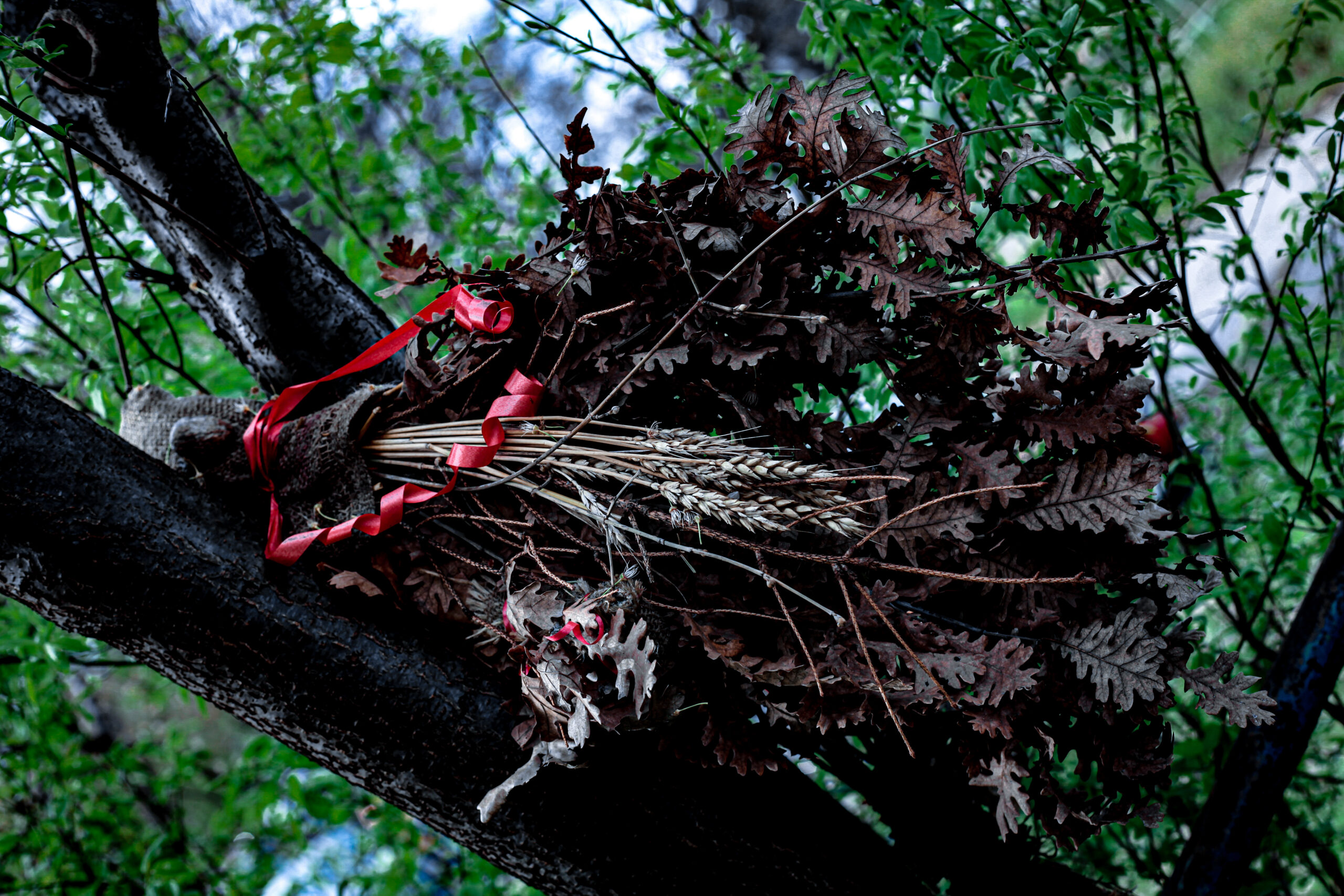
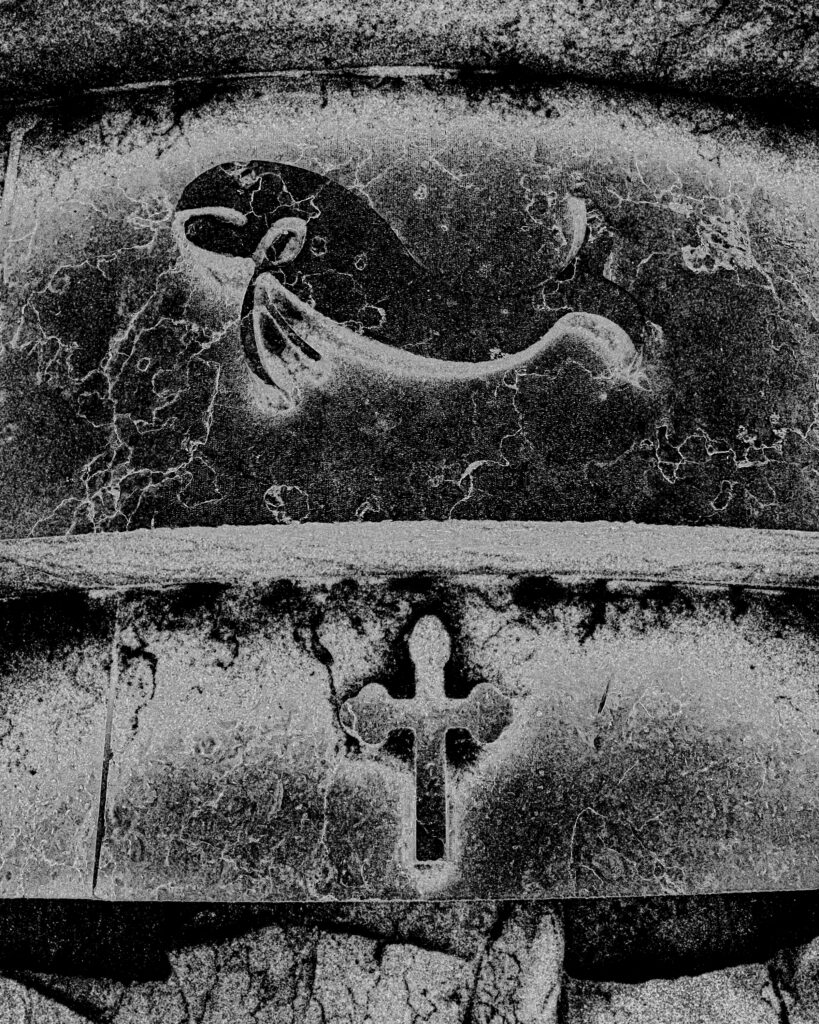
In this perpetual and cynical comparison, as ephemeral as the bleak urban landscape is also the human existence, which can “turn into an echo itself […] when darkness and light become indistinguishable.”
Köycü is a pattern seeker, a diligent cartographer of a heavy cityscape. Her work is not trying to fit one, concrete genre. She asks, “Why do we find this [brutalist] kind of architecture disturbing? because—and this is crucial—it doesn’t try to please you.” And so is the case of her art.
Read our “Metamorphosis” issue in full
In the 3rd issue of RAWGUE., 24 visual artists and poets share a common pursuit: authenticity over perfection. The subtle art of becoming, the passage through various stages of artistic contemplation, the ever-shifting states of mind, feeling, and medium, or the act of altering reality to underline emotion or meaning – metamorphosis.


We’re a team of writers using our craft to spotlight art in its most honest form. RAWGUE. started as a bi-monthly editorial experiment where each issue’s theme is dictated by the submitted work, thus removing editorial bias from the equation and preserving a more raw approach. We focus on all forms of poetry: written, photographed, painted, drawn, and filmed.

