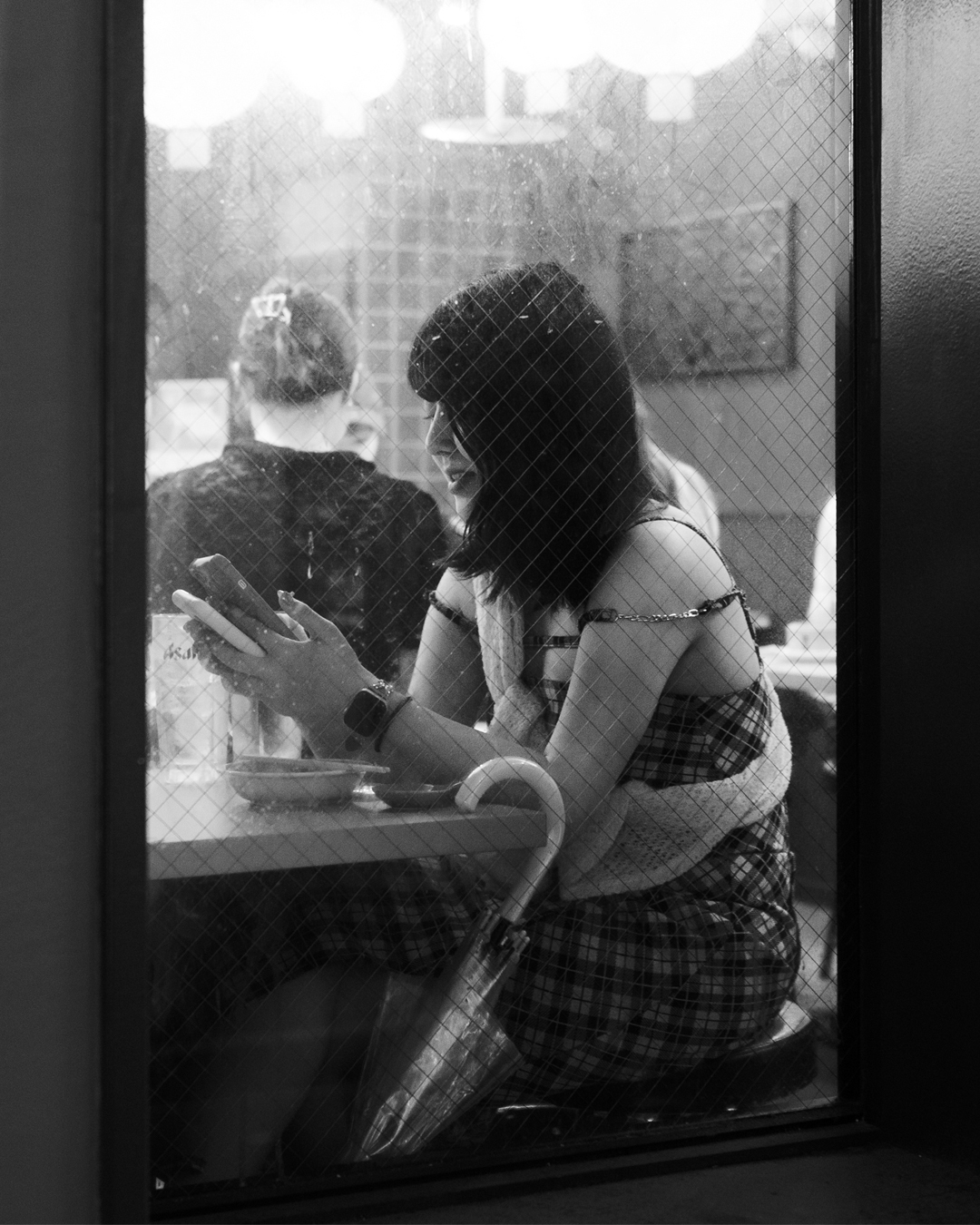
Singaporean artist Garret Ho is a street photographer who captures the vulnerability of strangers through striking black and white visuals and close-up angles.
As the photographer explains, there is a voyeuristic side that characterizes the entire process, a creative endeavor that attempts and more often than not succeeds in disarming the subjects and peeking behind the daily masks they wear in society. “Locally, we have a slang called kaypoh, which directly translates to busybody,” Ho notes, “which shows how ingrained in the culture and common this feeling is.”
Voyeuristic street photography is not a new concept. The idea of crossing the social boundaries and stepping into someone else’s private space, capturing people in unguarded and most of the time unflattering situations, has been around for decades. Some consider it a subgenre in its own right; others just consider it street photography, accepting that there is a bit of an artistic stalker that should be embraced in all of us.
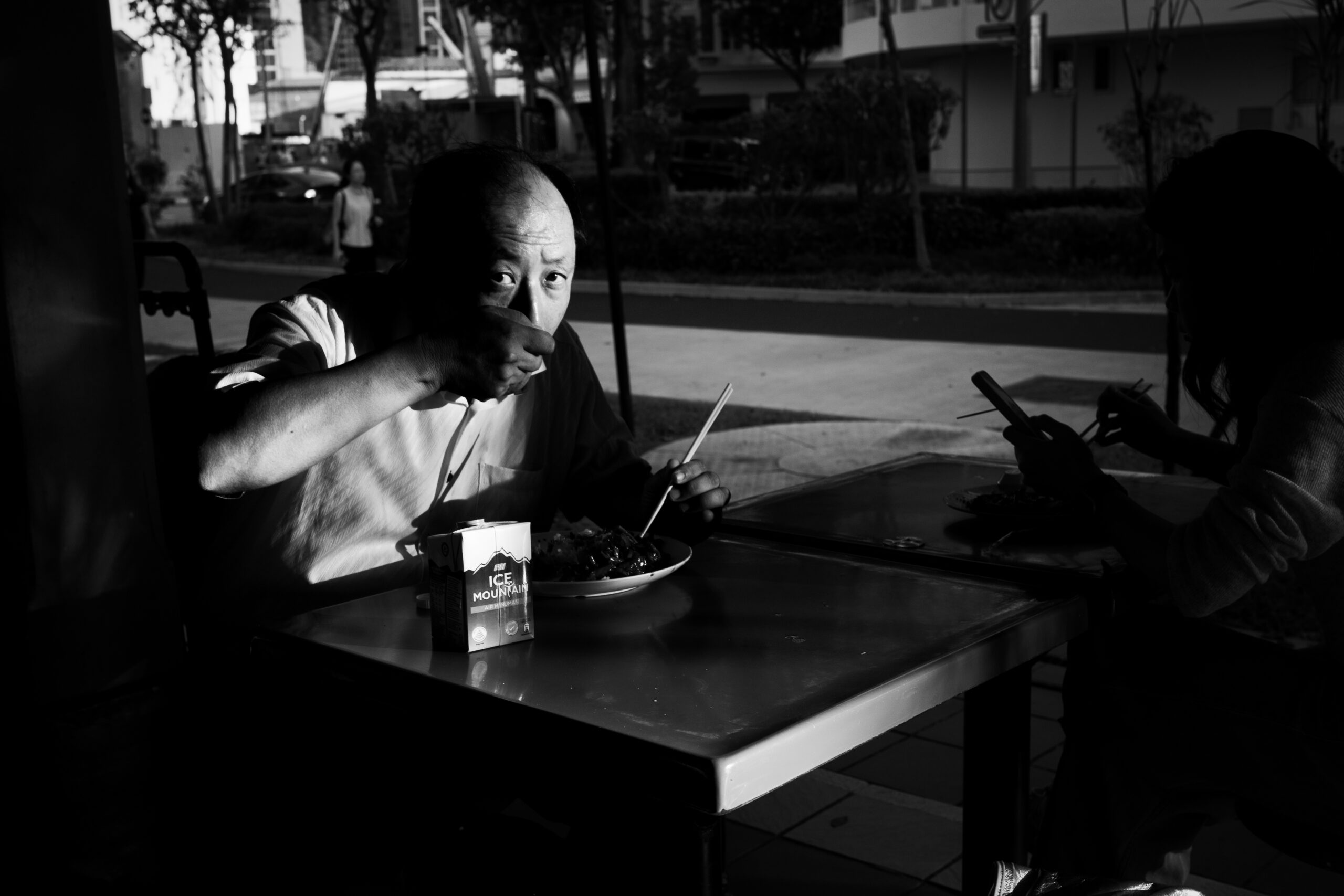
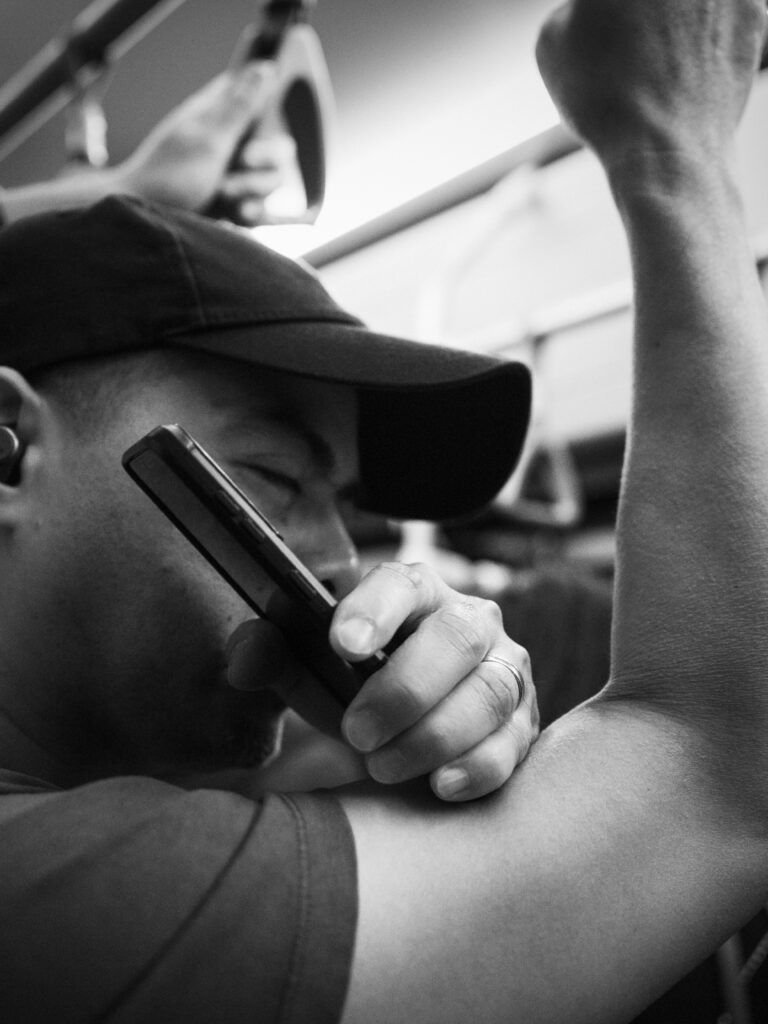
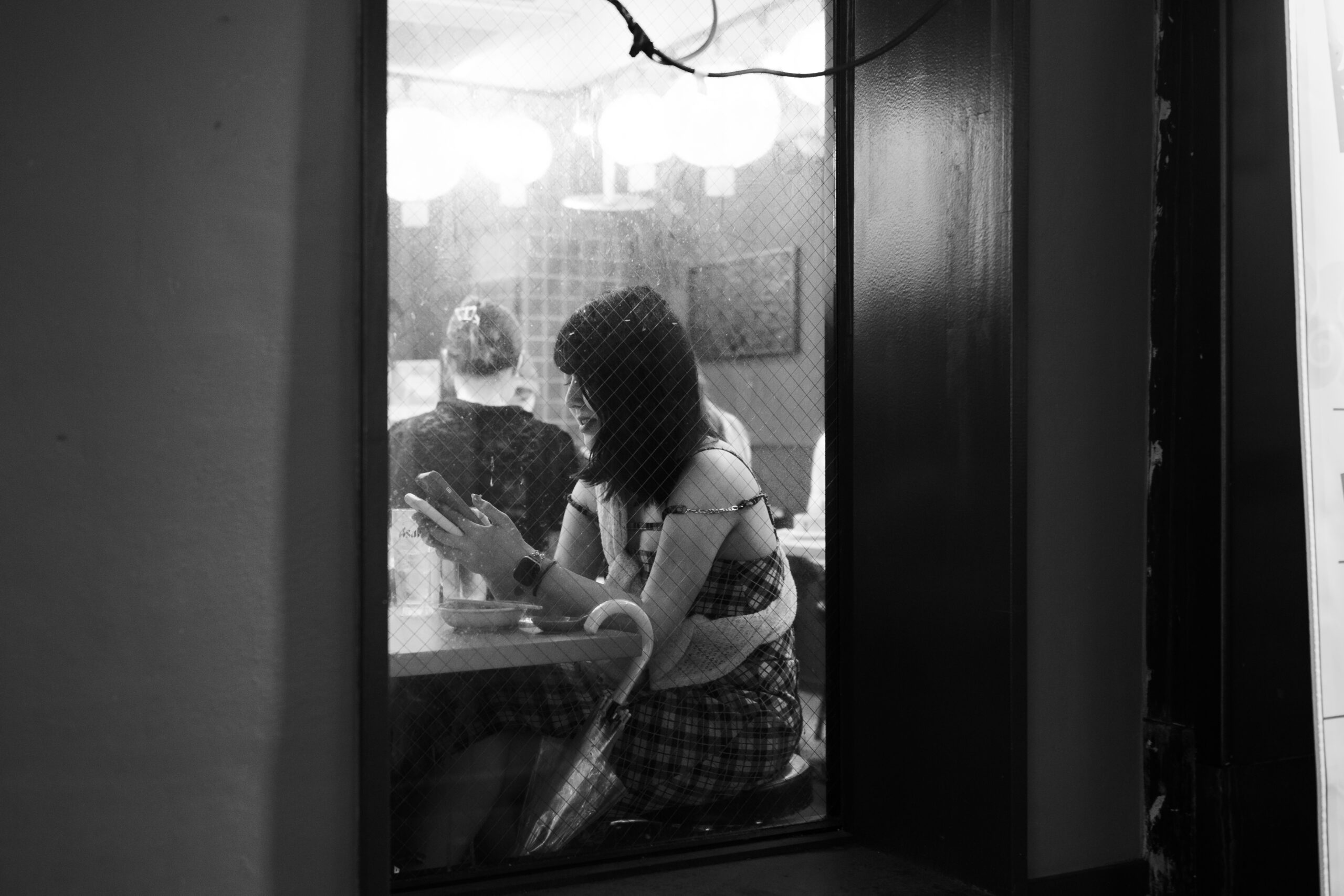
Regardless, it has always been a topic that raised concerns about ethics. In that sense, Garret Ho’s photography only partially revolves around this concept, as he is choosing to preserve his subjects’ anonymity, believing that “with the moral arguments of photographing strangers, we can ride the balancing act of such friction.” In exchange, he turns his lens towards capturing the moment, curating the results in a catalogue of both the internal and the external.
Most of his work is a constant fight between learning to be technically correct and freezing emotions in time, the duality of photography being clearly split between the science behind it and photography as an art form.
Read our “Focus” issue in full
Our August issue features 17 visual artists, photographers, and poets whose work taught us about relentlessness, resilience, and clarity. “Focus” became the chosen theme for this last month of summer.
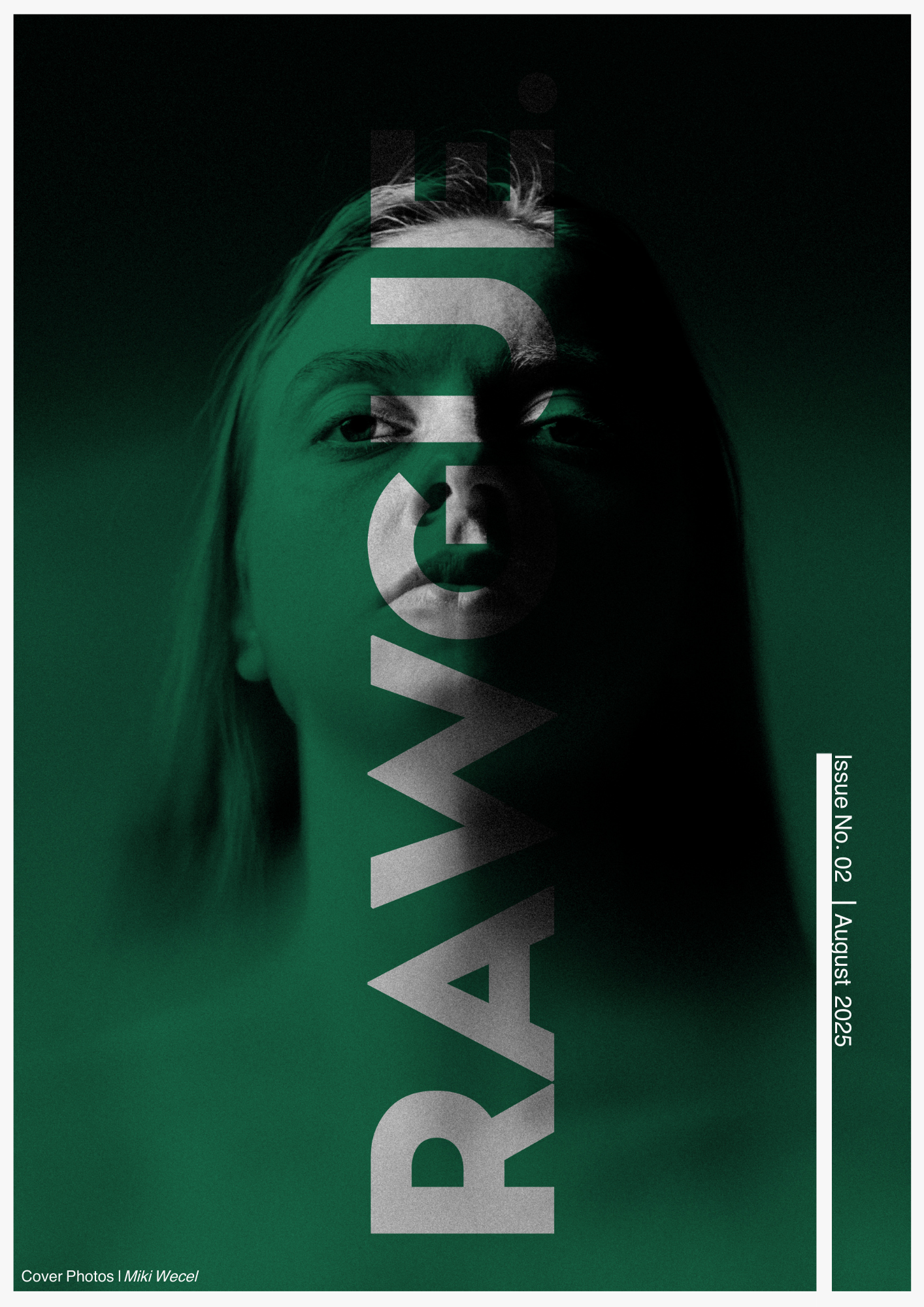
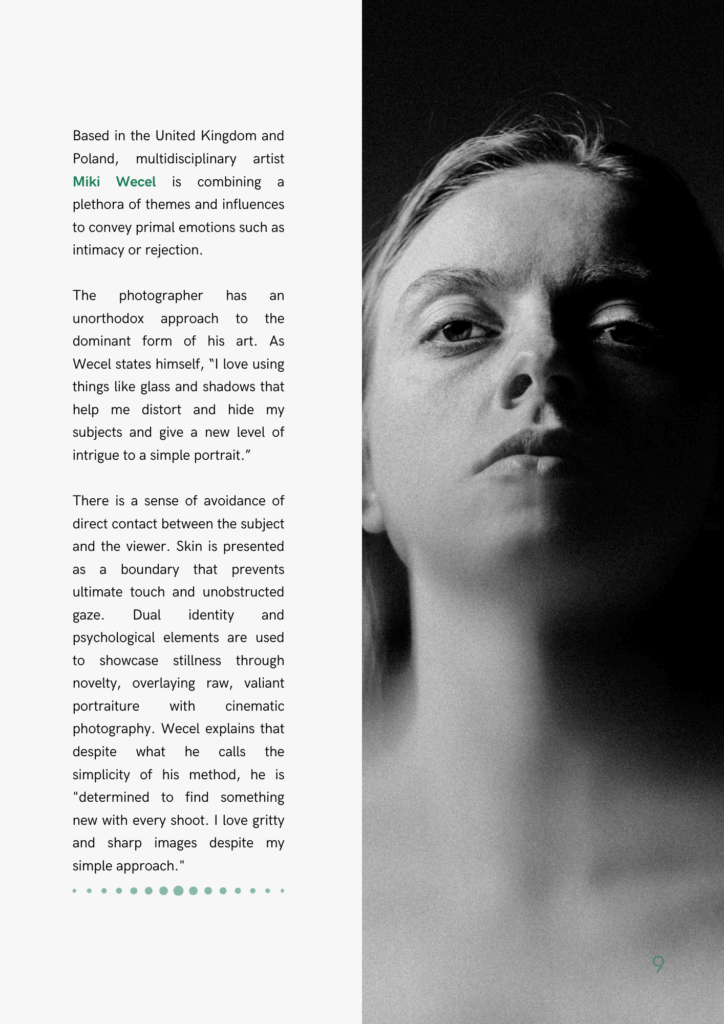

We’re a team of writers using our craft to spotlight art in its most honest form. RAWGUE. started as a bi-monthly editorial experiment where each issue’s theme is dictated by the submitted work, thus removing editorial bias from the equation and preserving a more raw approach. We focus on all forms of poetry: written, photographed, painted, drawn, and filmed.

