
Laurent Loubet Guiter is a photographer from France whose work would best be described as poetry rather than photography.
He refers to himself as an “auteur photographe,” instilling in his viewers’ consciousness the idea that, even though expressed in a visual format, his work is a collection of poems rather than pictures—or, better yet, a book of memories, or a “memory book.”
“Through imperfect images and fading processes, I seek to rebuild memory and answer those who came before me,” Guiter explains. And he succeeds. Through a broad use of sensitive, raw-to-the-touch imagery and a combination of grain and sepia-toned photographs, the artist manages to invite others to take a nostalgic and melancholic stroll through time, a walk among reveries and cognitive vistas.
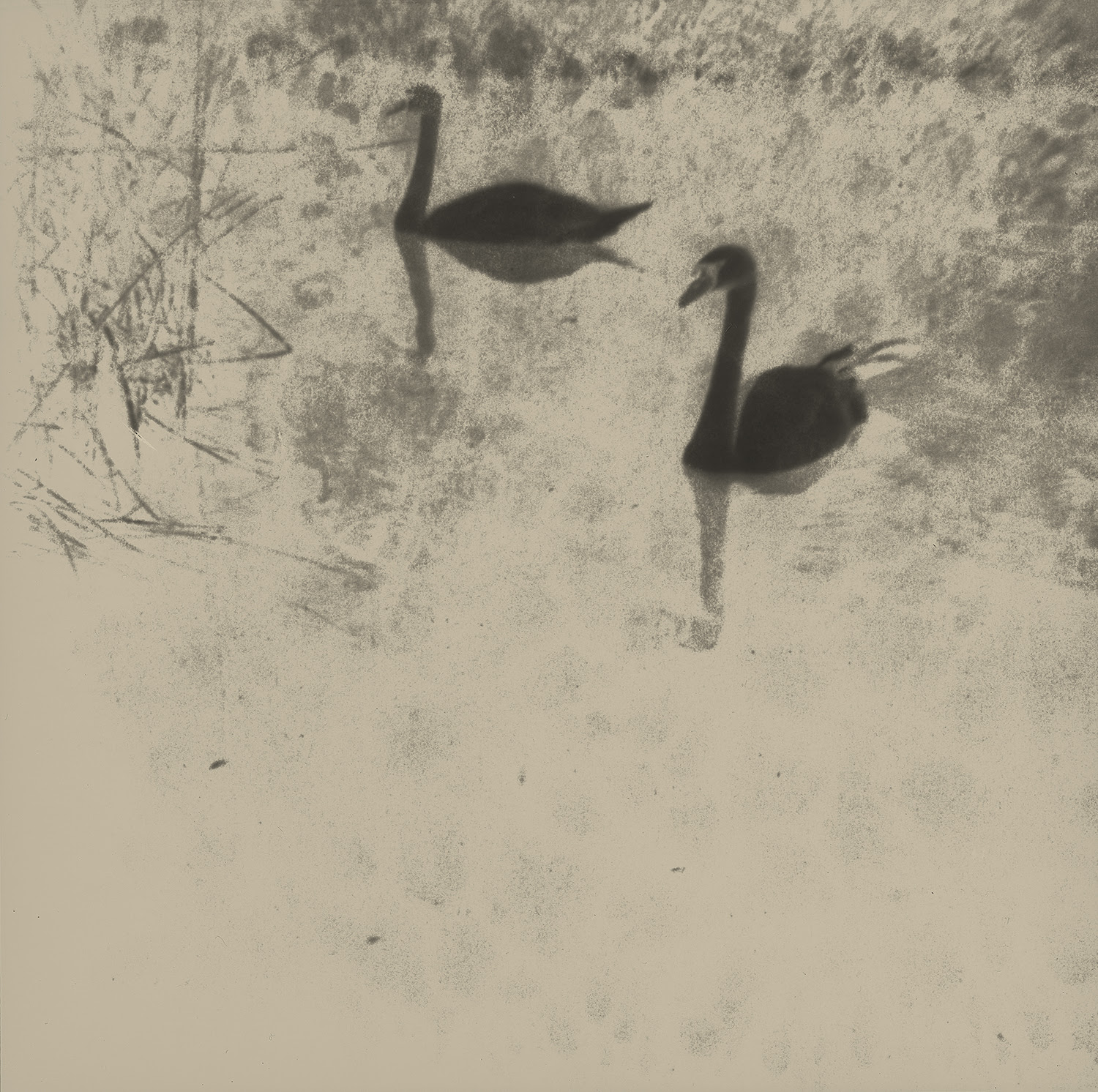
“Photos of yesterday and today,” as he calls them, “combining old processes and outdated color film in search of happy accidents and sometimes exhilaration.”
What is most interesting is his versatility and the shared wisdom brought forward by the fact that the memories captured within these frames could easily belong to anyone. They could be a memory of a bird, a face, or a place that perhaps any of us remember in a similar way—a continuous pursuit to not only reminisce but also to recollect fragments of feelings and ideas.
Guiter’s photography is nostalgic, gentle, and fleeting. He characterizes it as lomography, a spontaneous, accidental approach that focuses on aesthetics rather than technicalities and welcomes unusual film processing techniques.
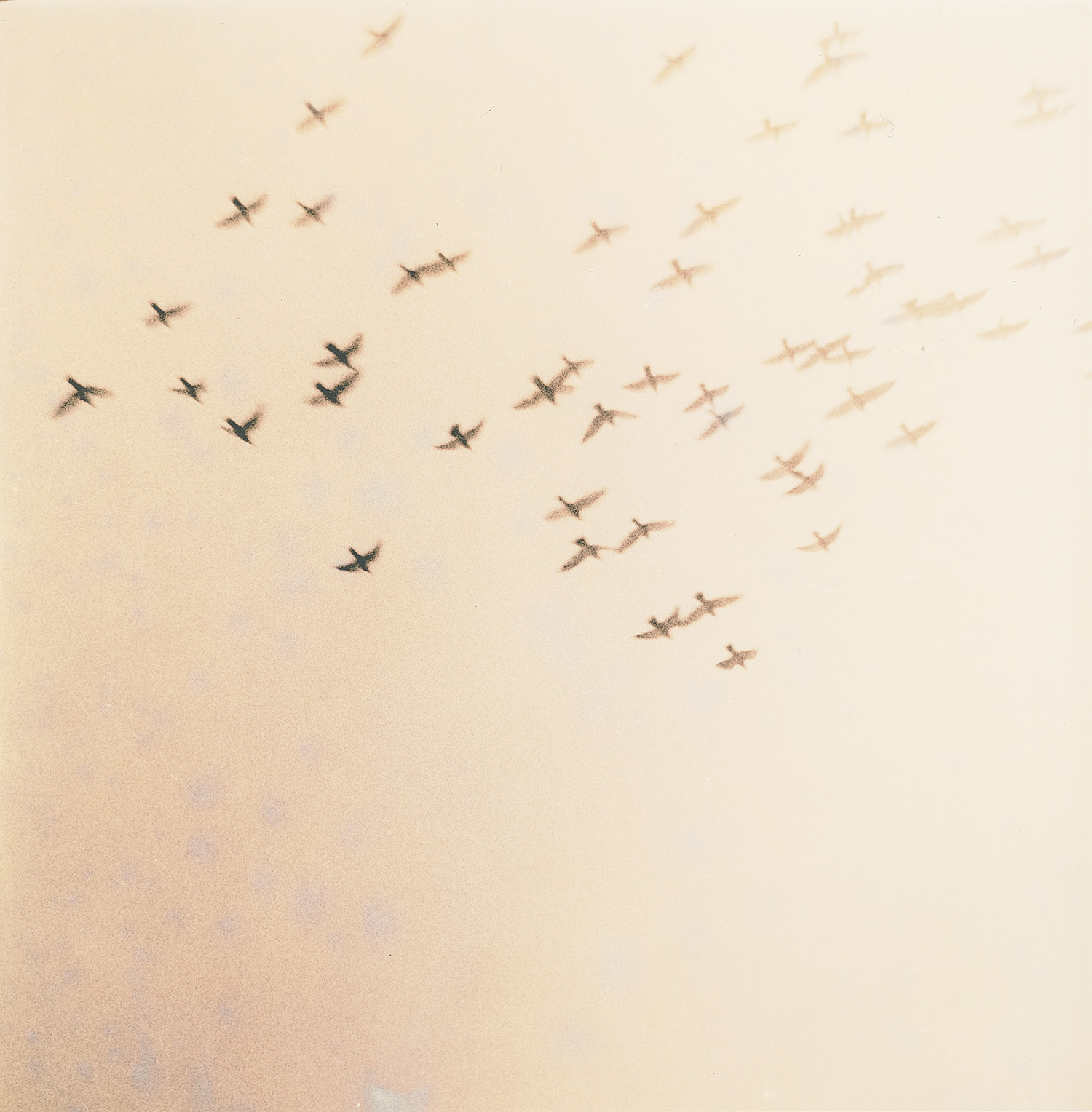
Drawing inspiration from the style linked to the Soviet-era cameras, as well as the 12th-century Sufi tale, “The Conference of the Birds,” the artist arrives at a very unique point; he is able to create images of fading memories, where the absence is even more important than the presence. It gives his works an eerie, almost ghostly quality and connects them to the collective poetic sensibility of humanity.
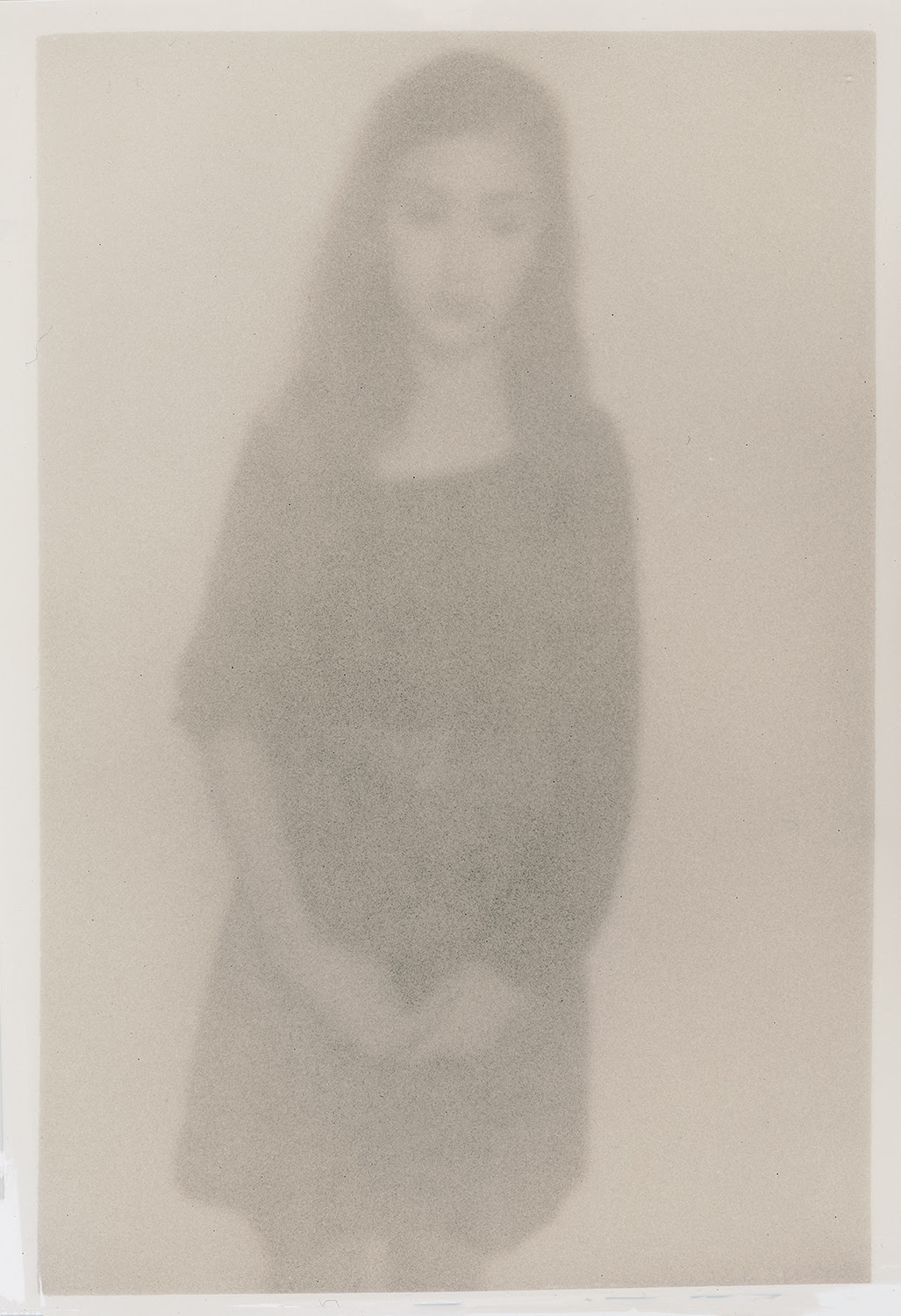
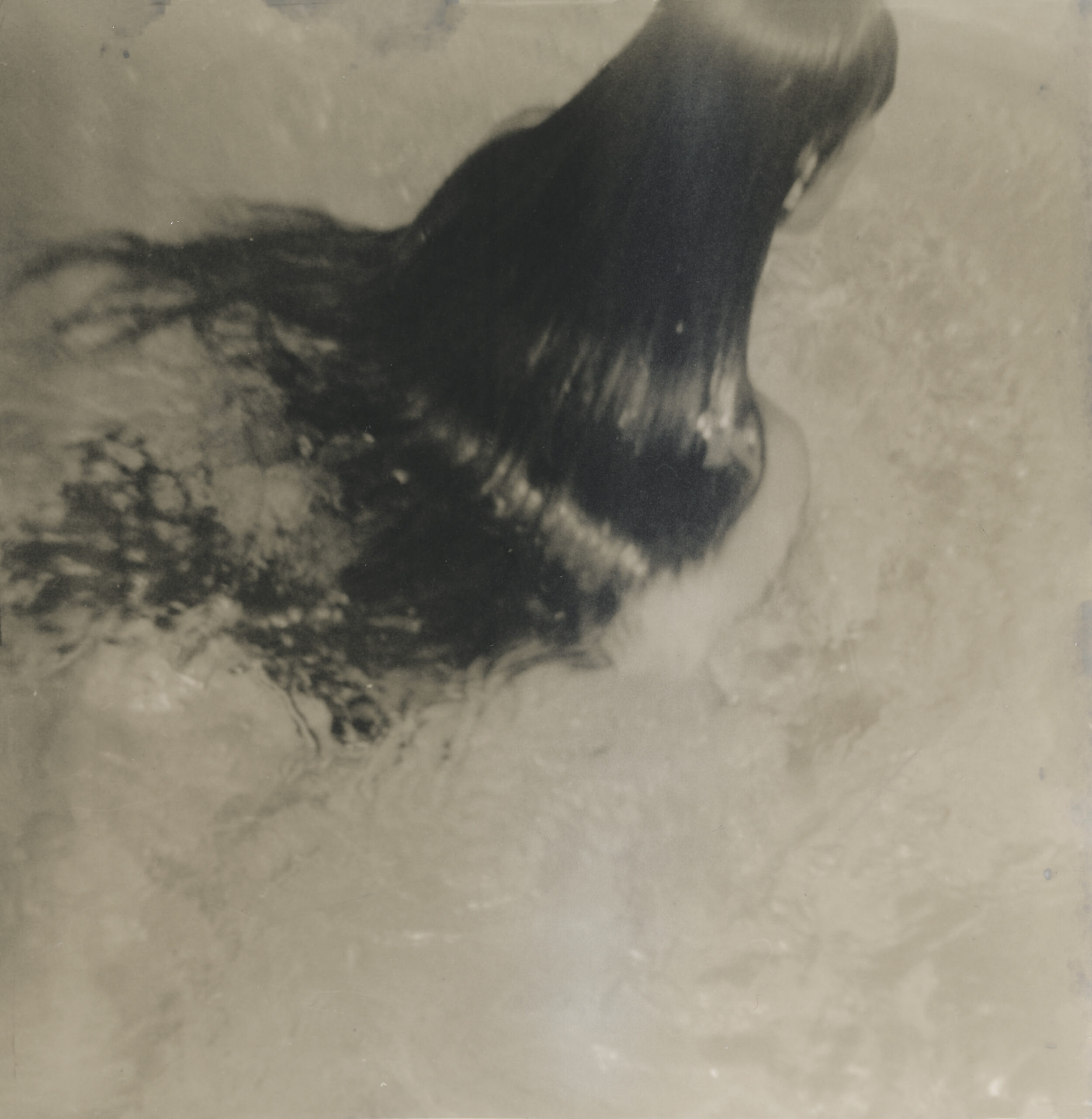
Guiter’s approach to photography is withdrawn and non-invasive. “I photograph the intimate, the everyday, and loved ones without any specific goal, no story to tell, just images, a pictorial work like a painter before a landscape or a face. It’s only at this moment that I emerge from the shadows, that I glimpse the light in the background, that I forget myself a little, and that I glimpse a form of illusion of a subjective reality that is my own. It’s only at this moment that I have the feeling of capturing a fragment of this flickering light,” he concludes.
Read our “Roots” issue in full
The new theme, born as usual from what the submitted works held in common, is “ROOTS.” Within its pages, we present the artworks, creativity, and inspiration of 60 visual artists and writers from 21 countries around the world. Their diverse voices come together around a shared exploration of the return to where one belongs, the invisible threads of tradition that shape identity, and the ongoing reconnection with nature, others, and oneself.


We’re a team of writers using our craft to spotlight art in its most honest form. RAWGUE. started as a bi-monthly editorial experiment where each issue’s theme is dictated by the submitted work, thus removing editorial bias from the equation and preserving a more raw approach. We focus on all forms of poetry: written, photographed, painted, drawn, and filmed.

