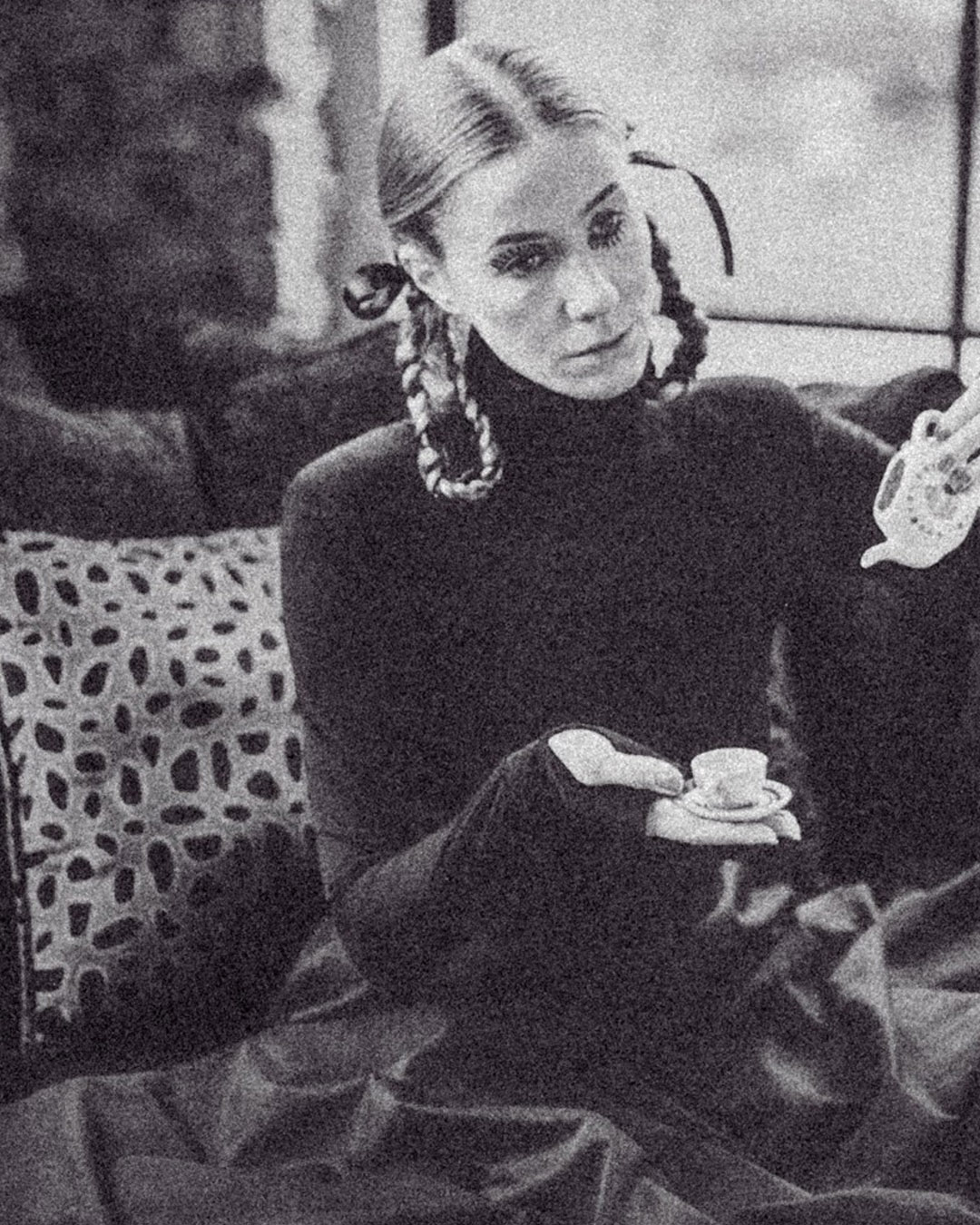
From Lithuanian poet, photographer, and mixed-media artist Jurate Stanaite, we are showcasing ‘Layers. Like a doll,’ a beautifully handcrafted book that combines elements of all her mediums into an “inseparable,” visceral project about womanhood and coming of age.
Stanaite’s artist statement and the book’s title are partially homonymous, building around the idea of layers, which she bluntly identifies with. She uses these layers synonymously with skins or masks that a woman has to wear to fit into an overly demanding society.
“I am layers,” she states simply and powerfully. “The overachiever, the rebel, the adventure seeker, the radio and TV host, the event planner, the hairstylist, the writing fanatic, the golden child, the frustrated housewife, and finally—the creator who has at last recognized herself.”
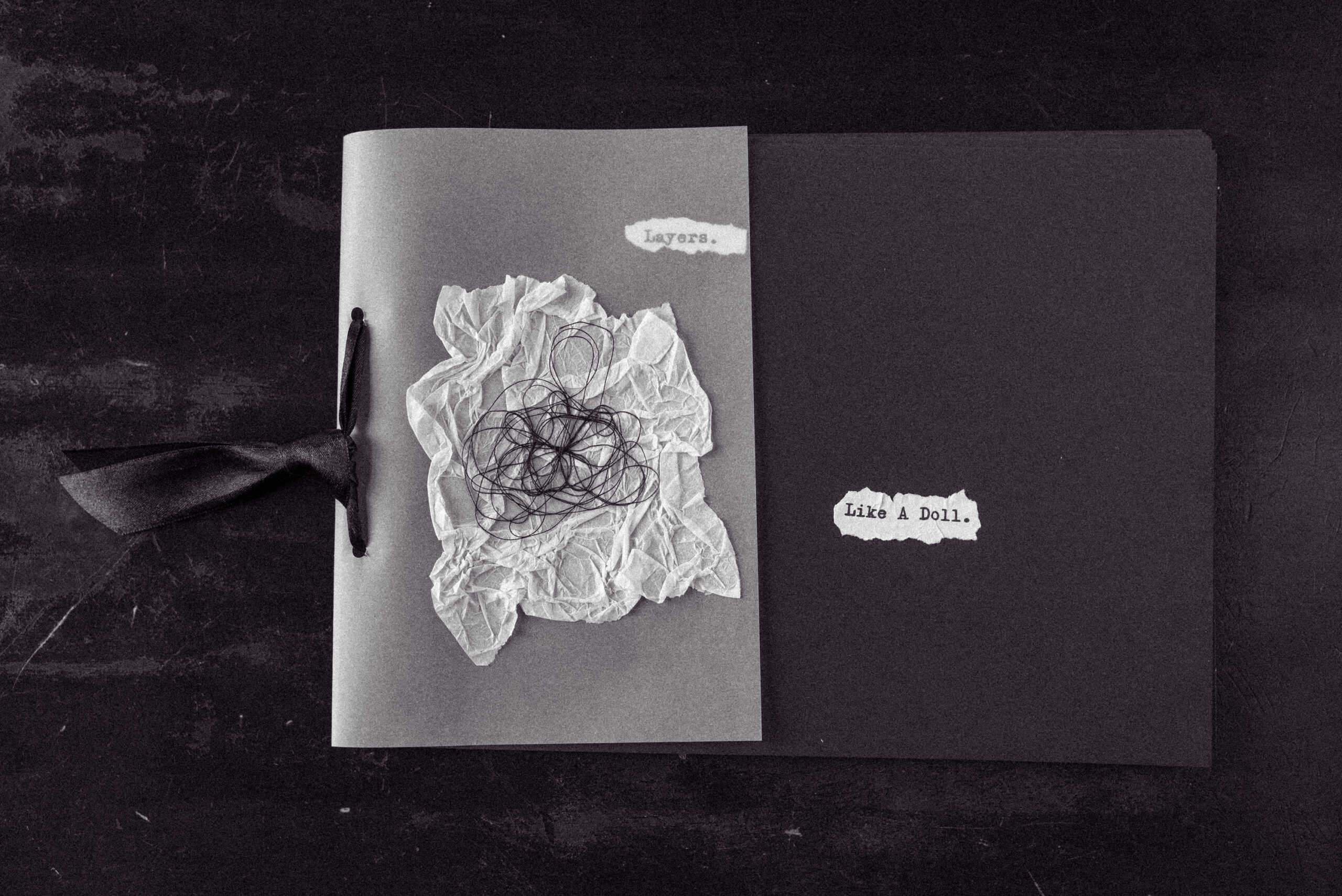
‘Layers. Like a doll’ is a reflective diary of a woman’s journey to maturity and to finding herself, where the several worn-out layers of questioning and self-doubt eventually come together, like RGB color channels that overlap to create a full-color picture. What begins timidly with the realization of harsh truths evolves over time and culminates in an empowering manner with what the artist was always going to become.
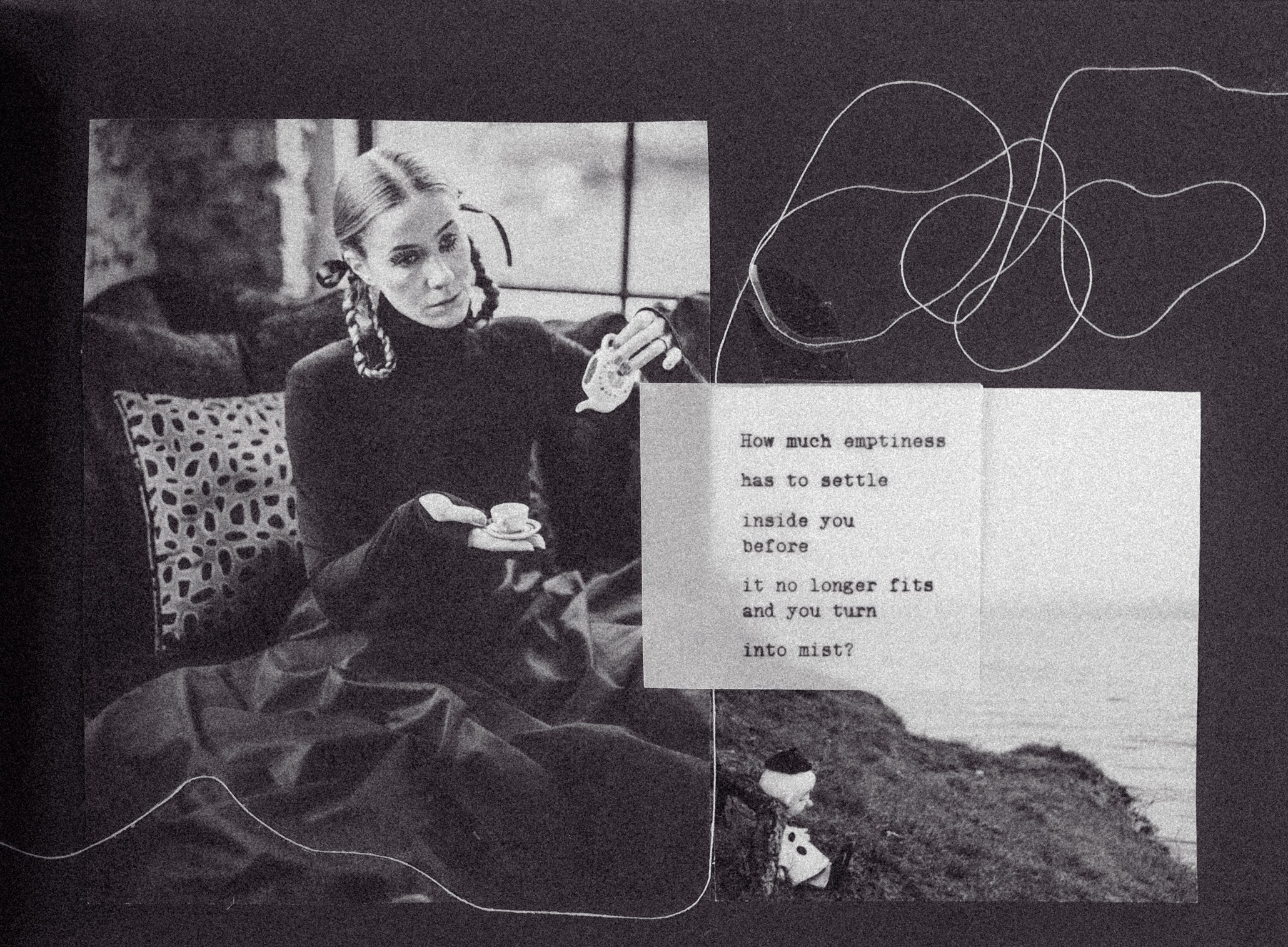
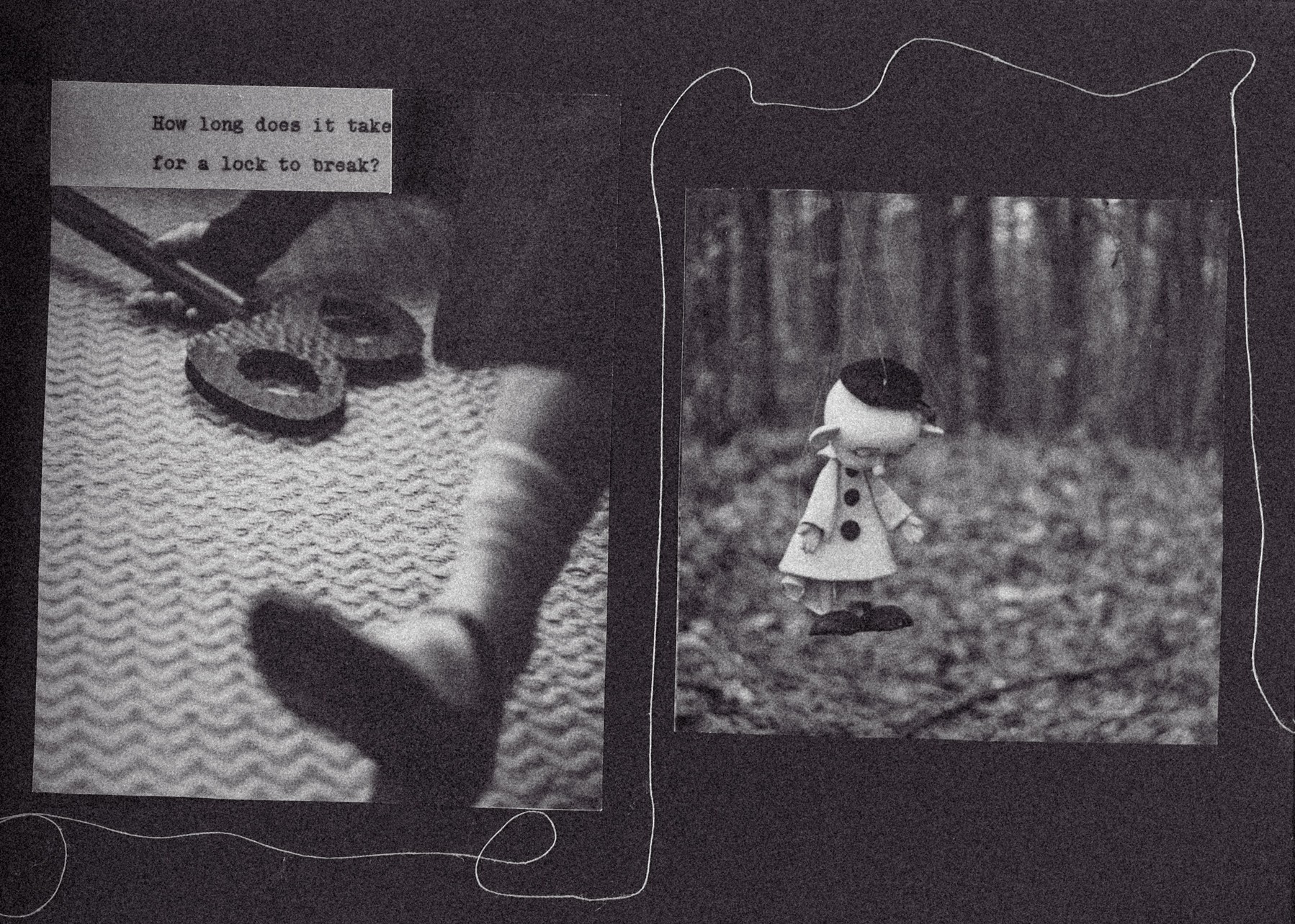
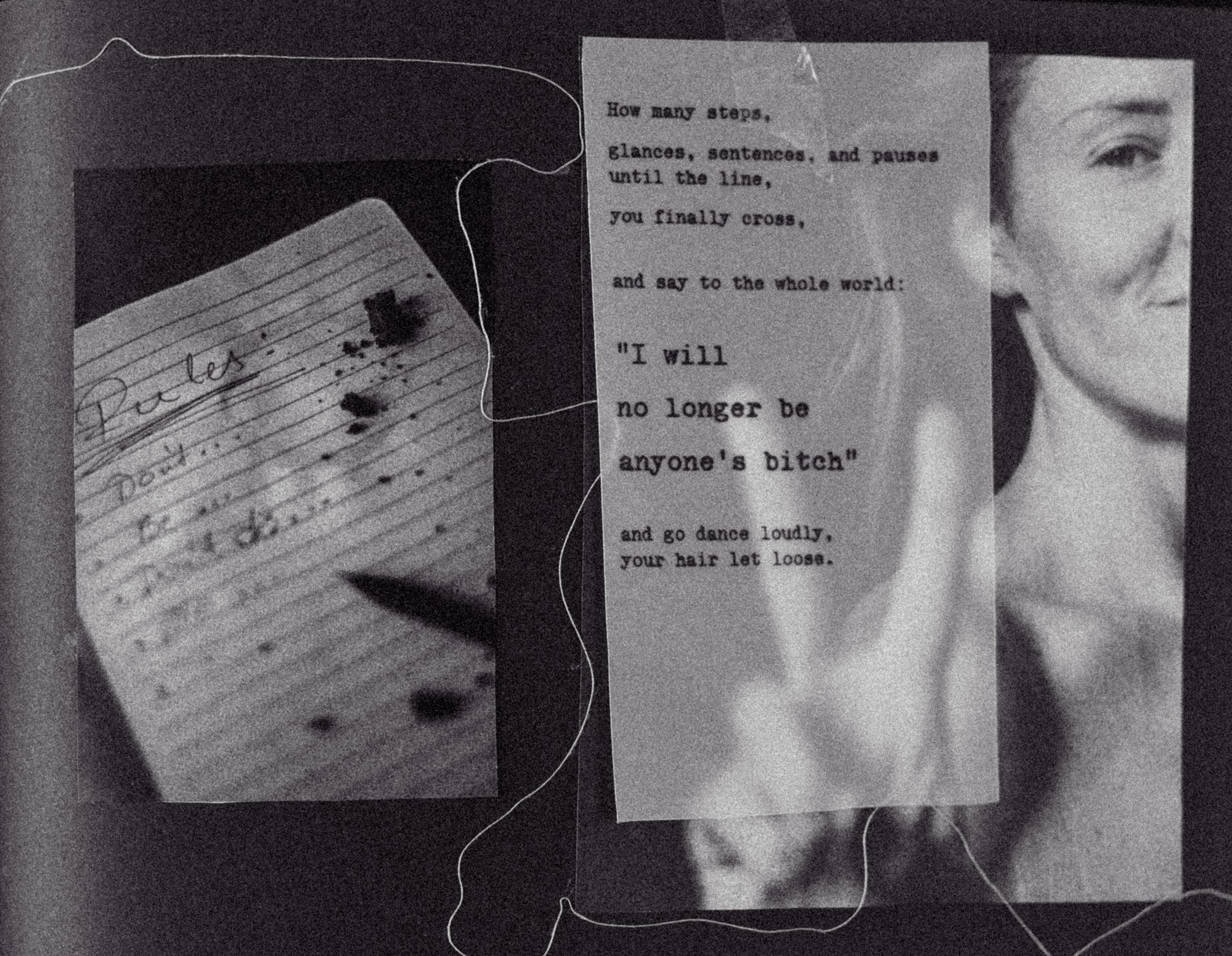
“How many steps, glances, sentences, and pauses until the line you finally cross and say to the whole world, ‘I will no longer be anyone’s bitch,’ and go dance loudly, your hair let loose?”
The project explores the confinements of girlhood, the process of growing up within the constraints of traditionally understood femininity, and the moment in which a young woman decides to break free, sacrificing her pedestal of quiet, conforming, convenient object of beauty.
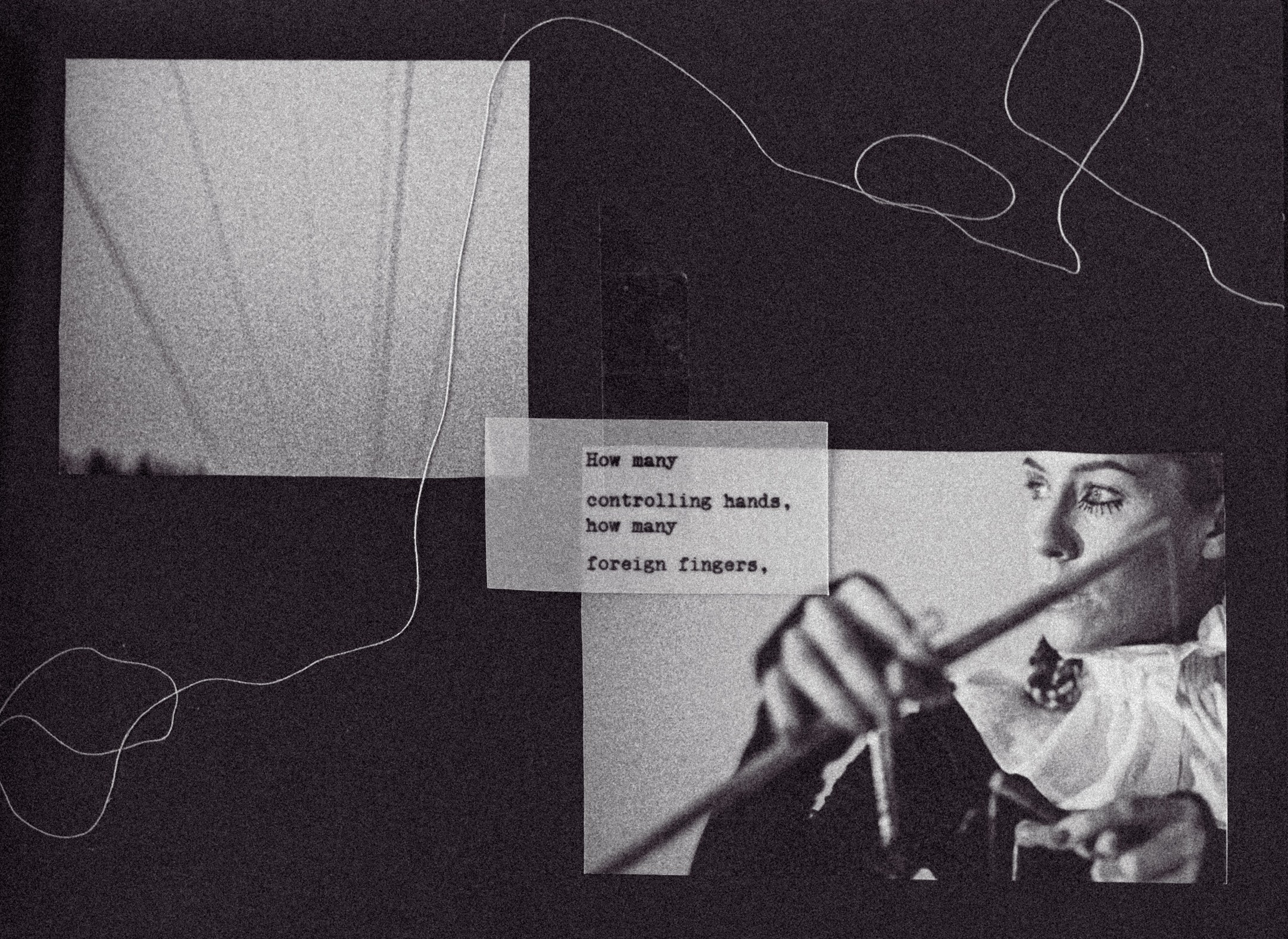
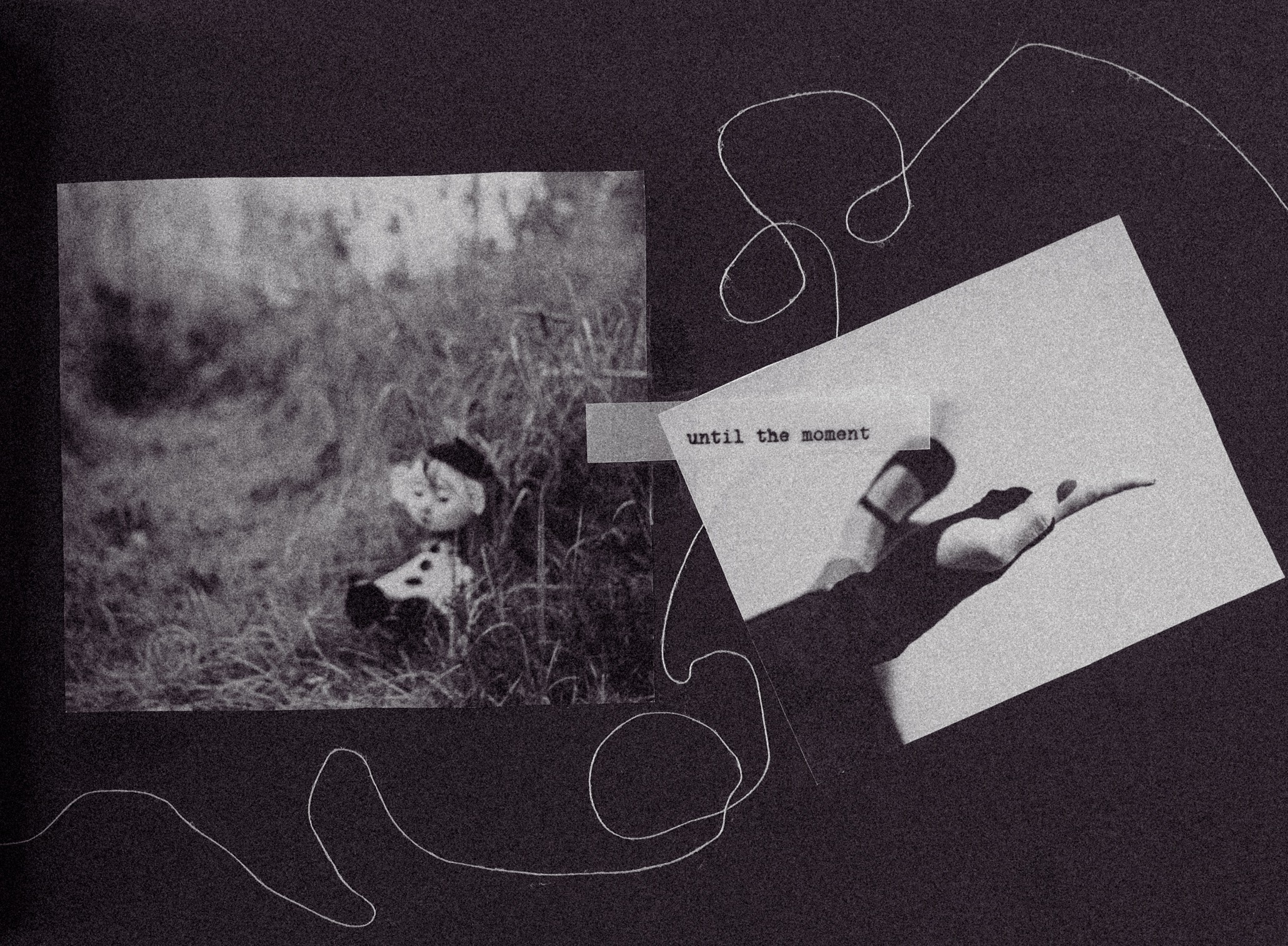
To be a woman often comes with the expectation to be there for others, to regulate, to entertain, to aesthetically please, to sense others’ needs, and to do it all quietly and as seamlessly as possible. All that comes with the forsaking of self-exploration and fulfillment.
The layers of womanhood are represented in the layers of materials used to create this project. Once a girl decides that the answer to the question “Would you be a doll?” doesn’t have to be “yes,” she peels off the layers of expectations put on her by her environment.
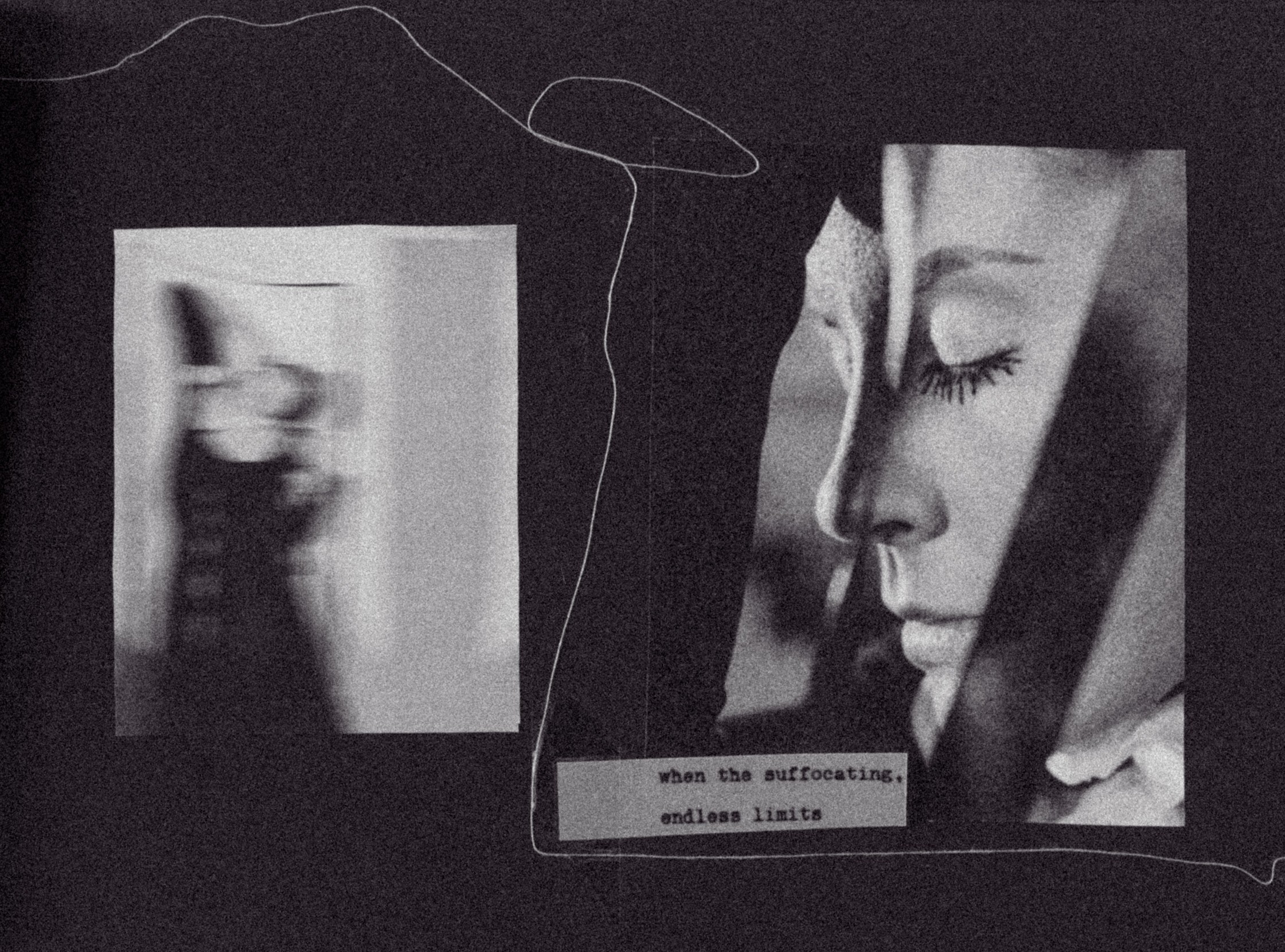
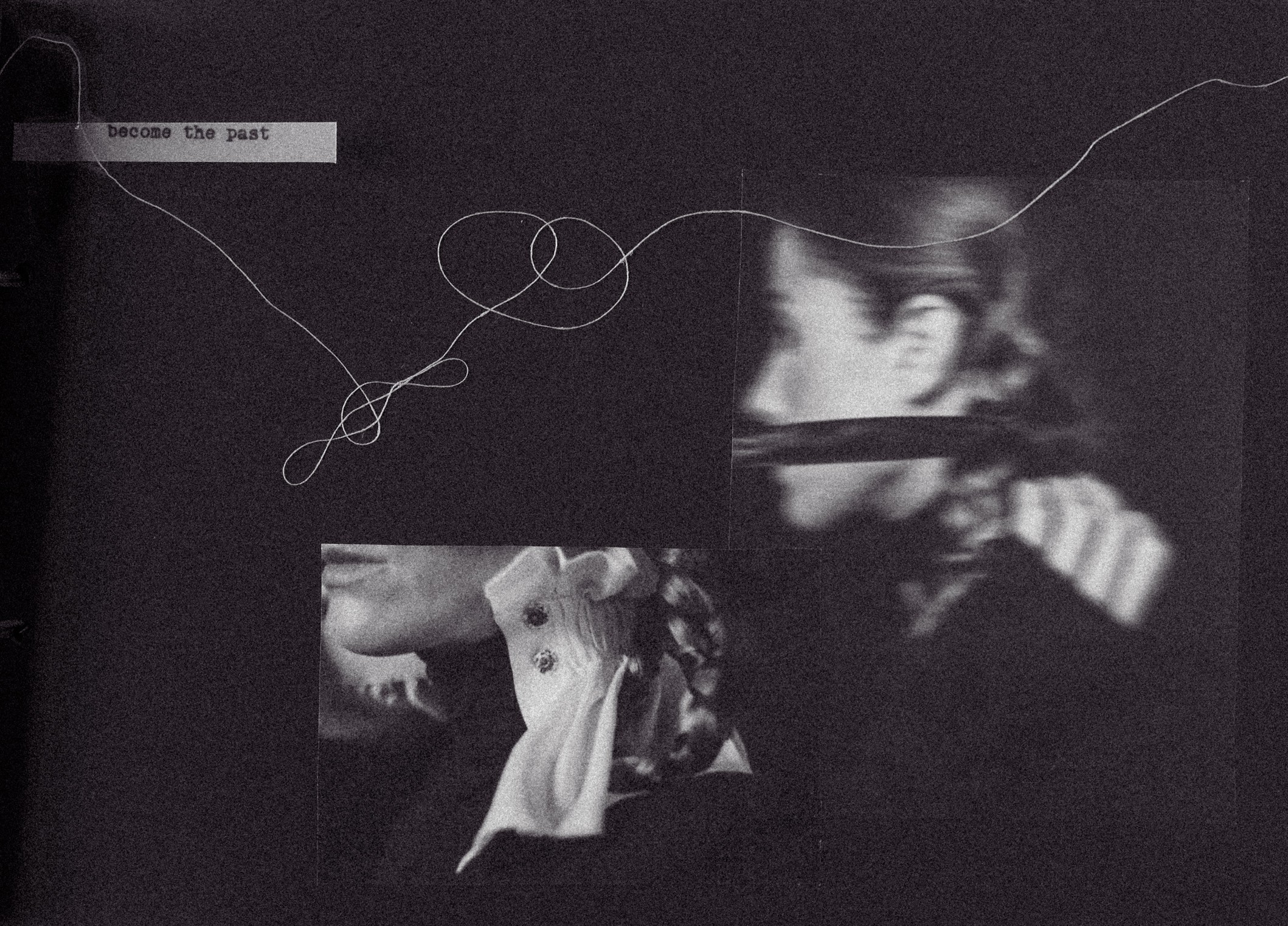
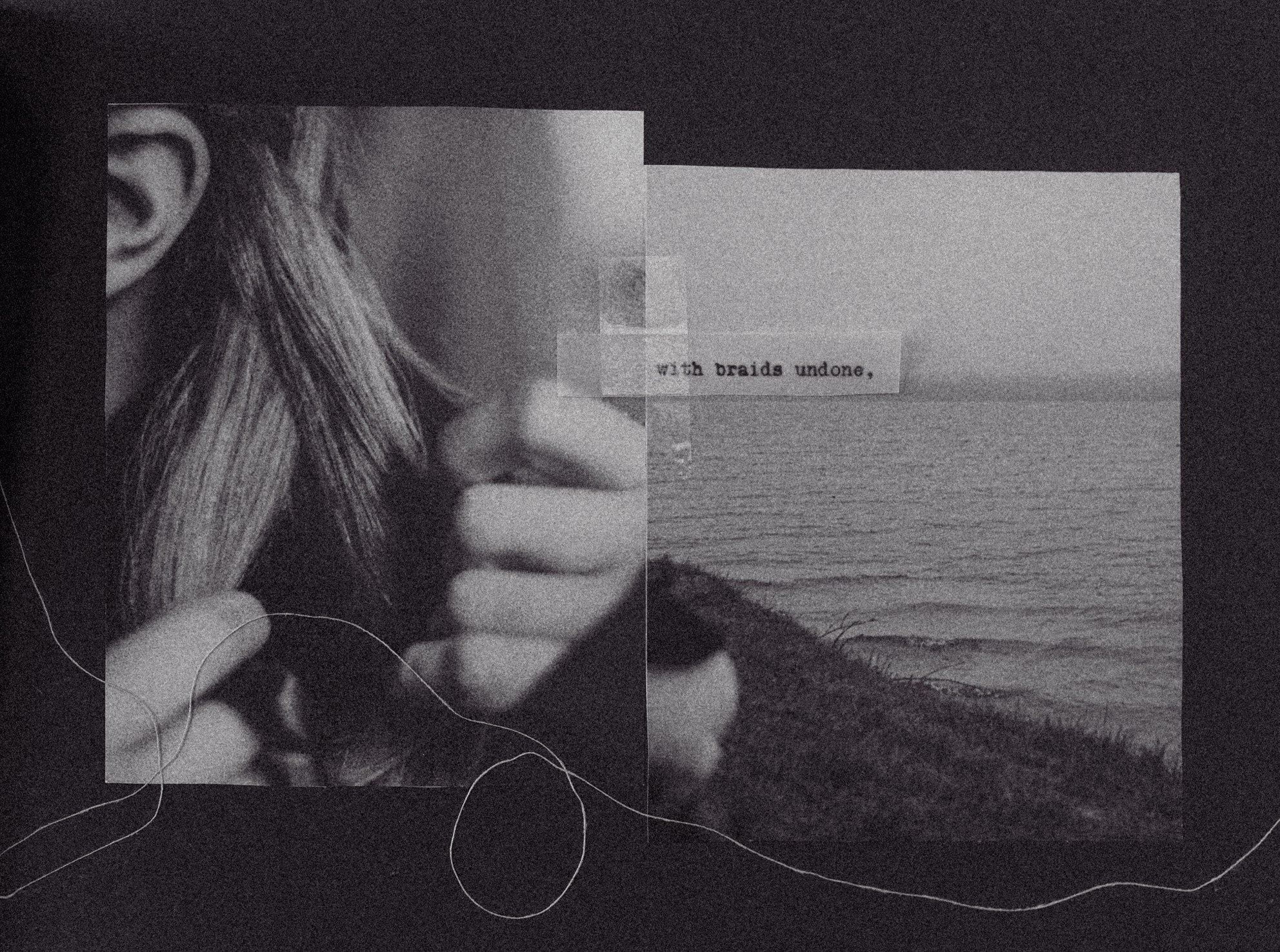
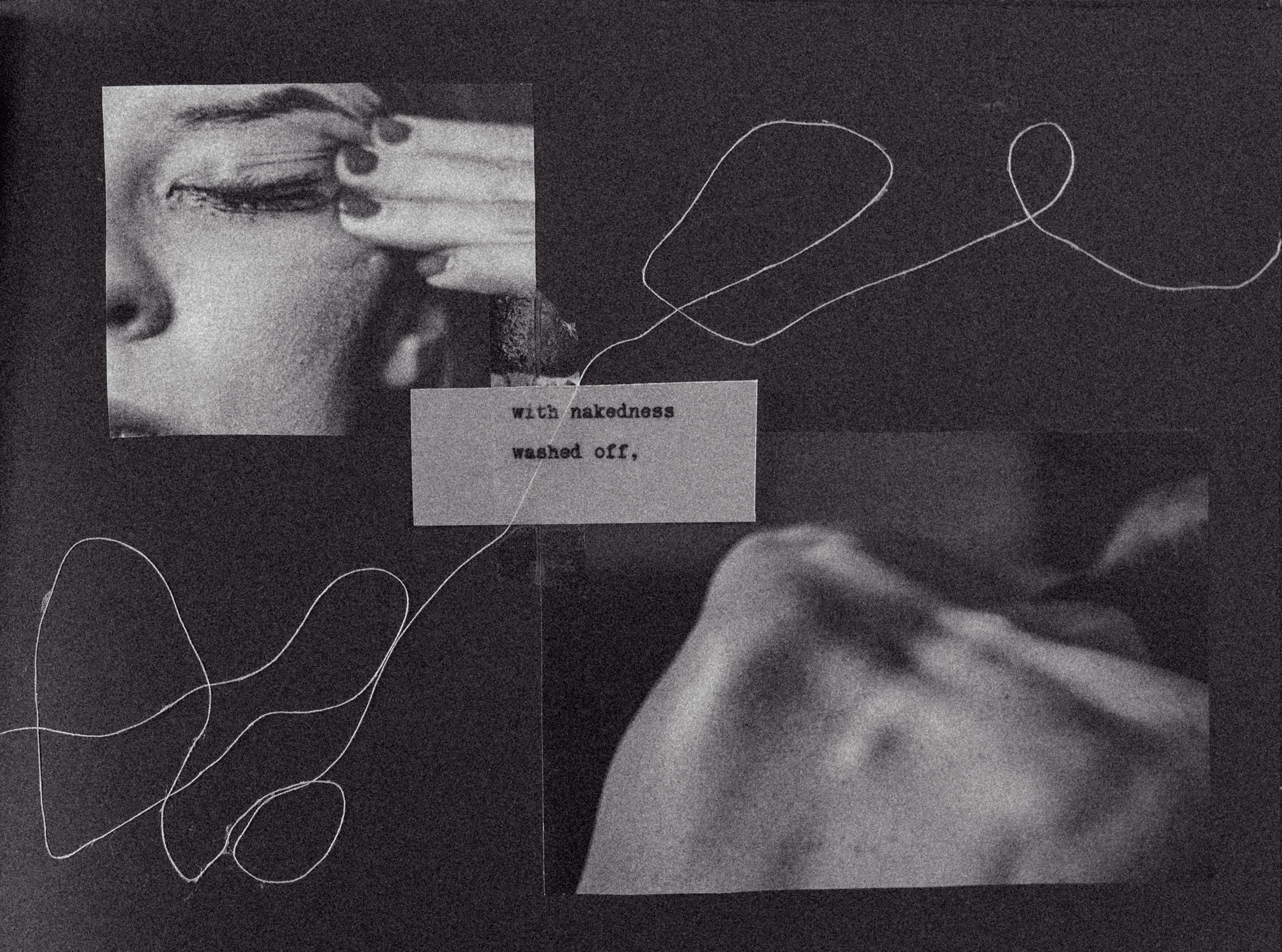
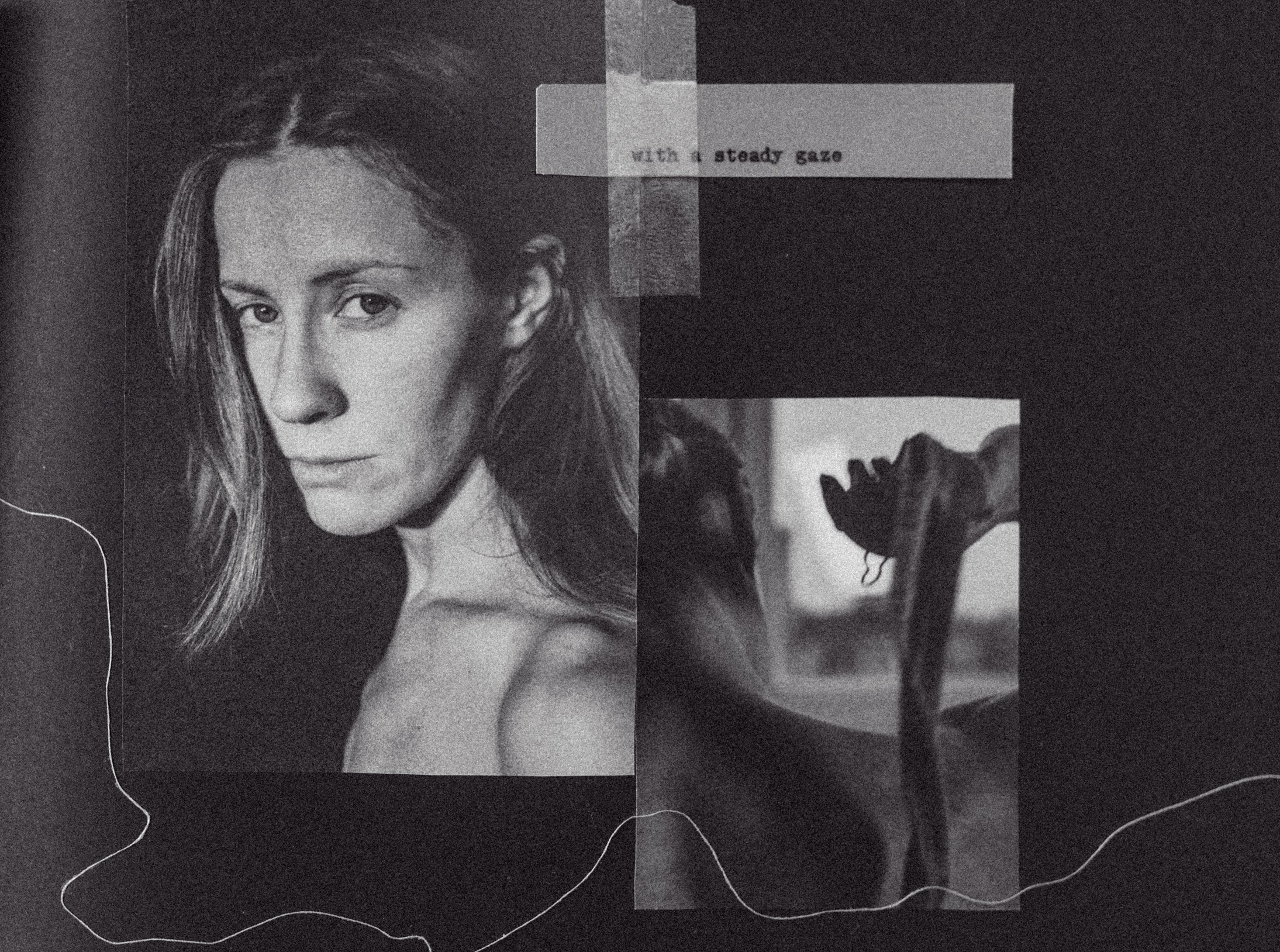
“In my work I use my own photographs, organic materials, alternative printing processes, and unexpected household elements. I bridge different artistic fields (such as ceramics, painting, and poetry/prose) and techniques,” says Stanaite.
The artist calls her work “photo poetry,” a multilayered expression. She crosses the line between definitions of art forms, as the line of thread crosses between pages of the album, as girls cross the line of being loud and expressive.
Artist’s Note:
“Layers. Like a Doll.
Throughout her life, in one way or another, she has been surrounded by people, who consumed her like a doll.
They bent her into strange poses, dressed her as they pleased, placed her where and how it was convenient, beautiful, or unobtrusive for them. They fed her—or didn’t—depending on their mood, according to their menu, and they kept repeating:
– be convenient, and we will love you.
And she was.
Not knowing that in reality, a different scenario is possible. Never having heard of the possibility to be as she herself wants/feels.
To simply be herself.
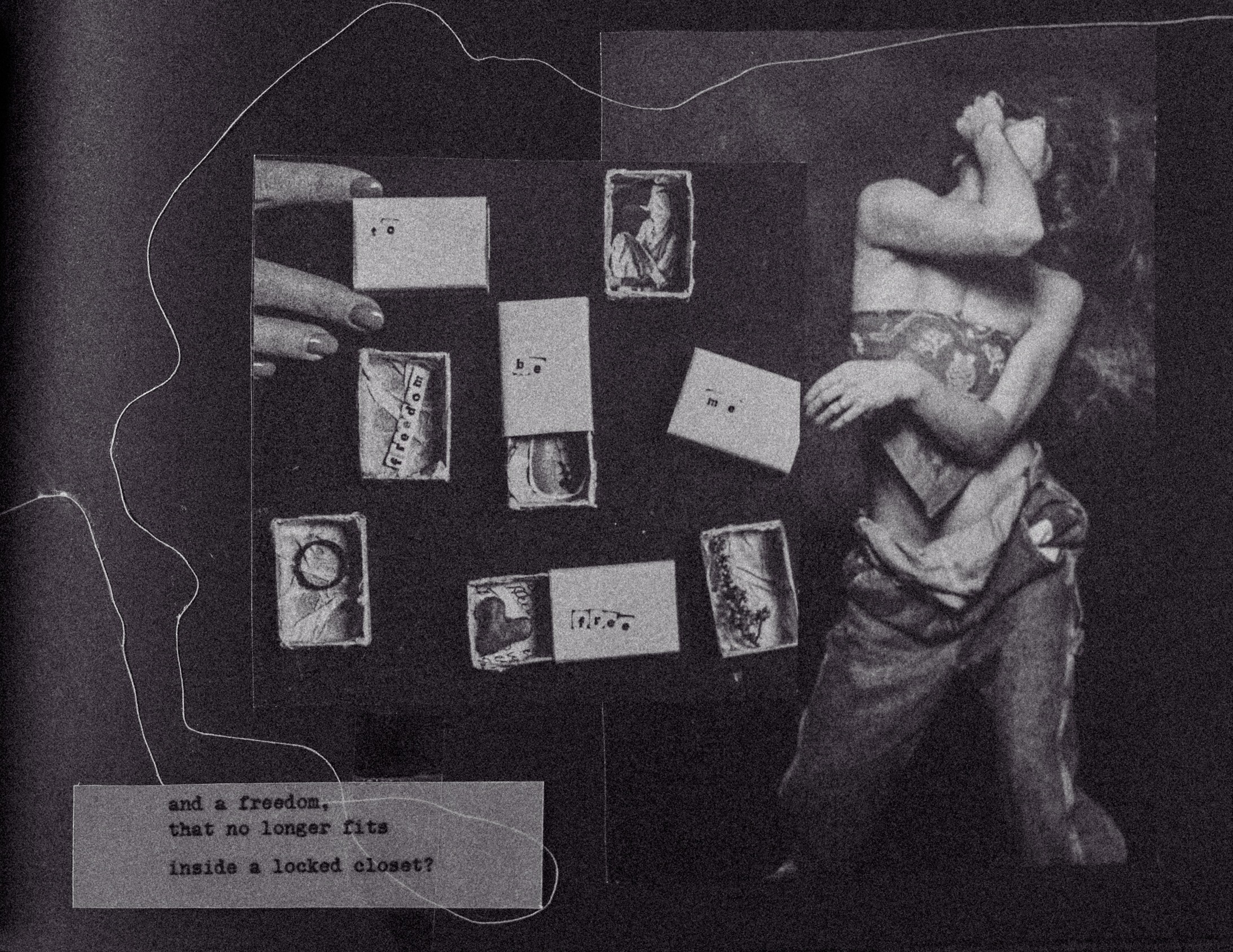
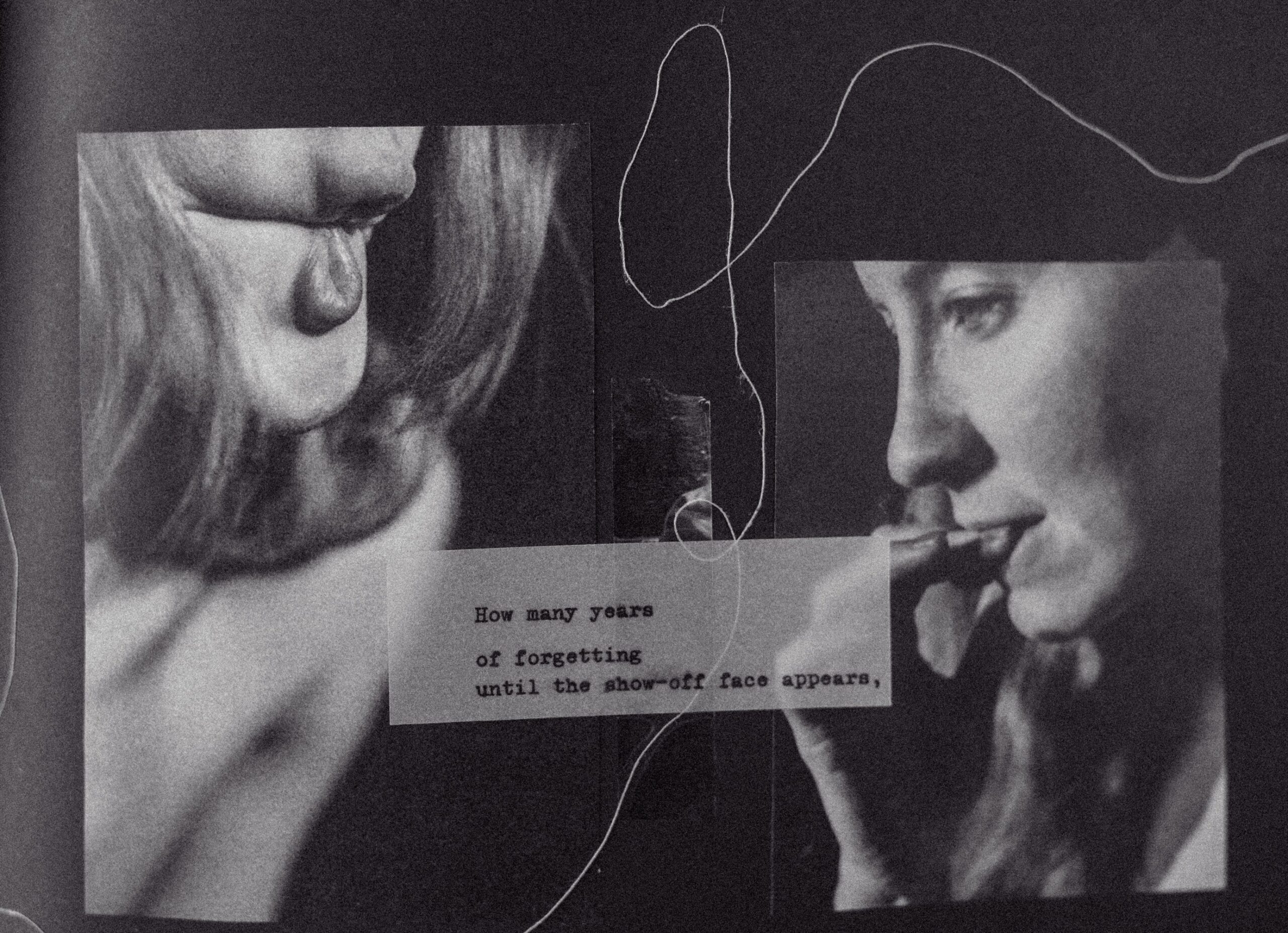
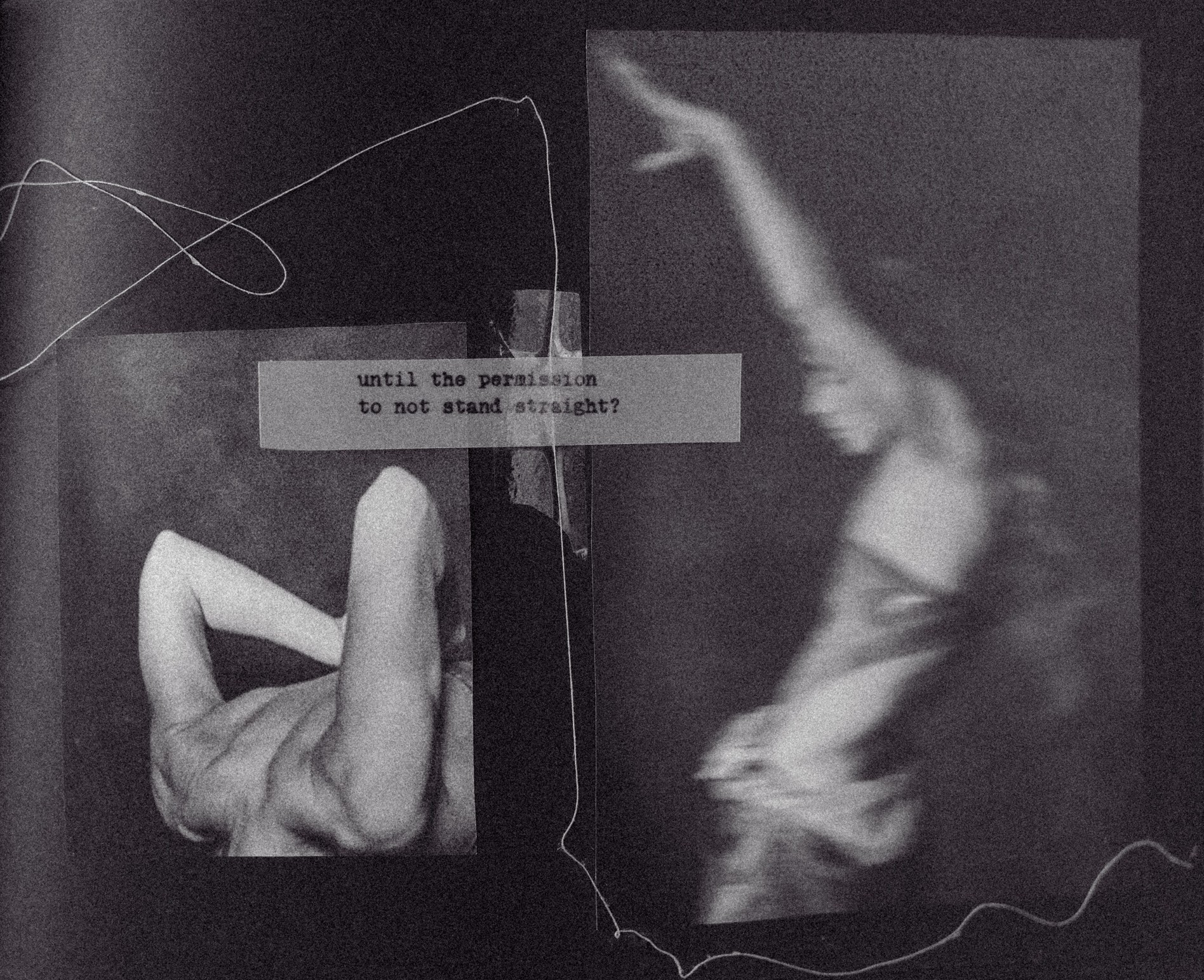
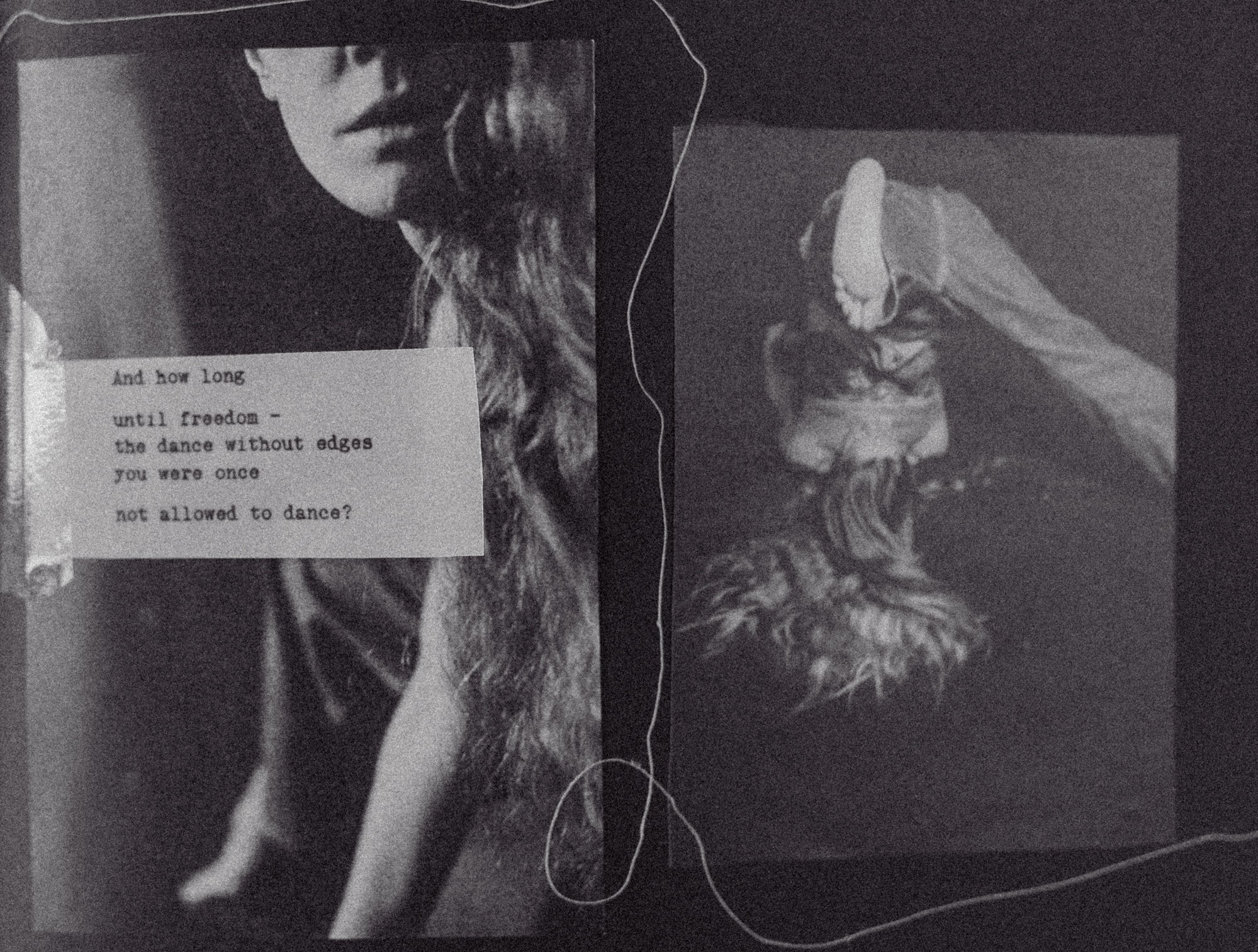
Until the moment she was left completely empty, shattered, and scattered. But the day came when, while gathering the shards of her broken self, she realized that the whole line of those closest to her had “loved” her only when she was convenient.
Only until the first expression of her own opinion, until an unexpected outburst of emotion, until a contradiction or rebellion that always sounded inconvenient to someone.
That day, the doll heard her soul screaming that being all sorts of ways – is ok, and being convenient to oneself – is mandatory.
And to hell with those, who find it a nuisance.
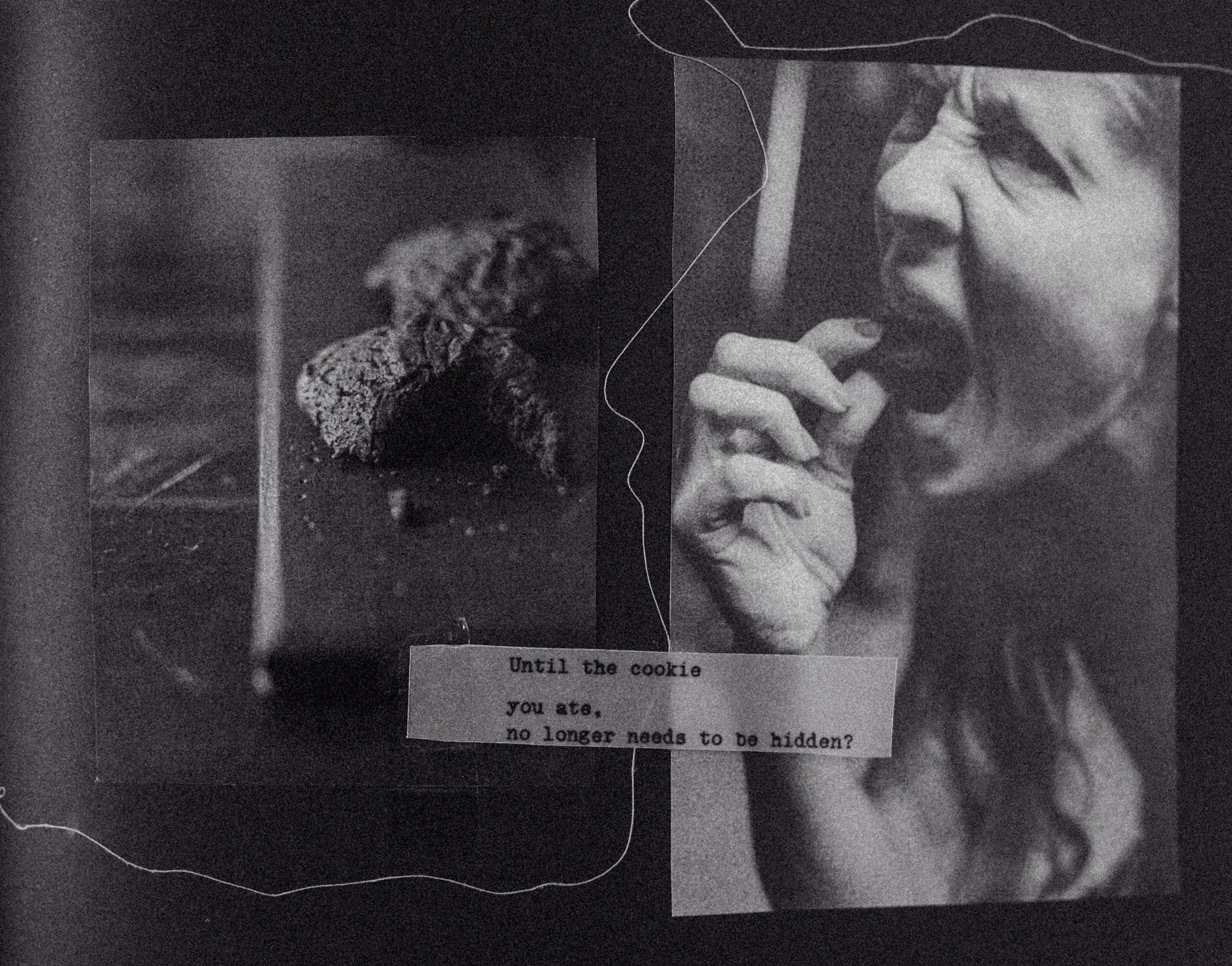
That’s how the doll remembered being a human, not a piece of plastic.
A personality, not a part of the consumption chain.
From now on, she chooses for herself who, where, and how to be, what to put first, and what matters most to her.
“I’m not your bitch anymore.” – a message to parents, brothers/sisters, husbands, duties, colleagues, rules, relationships, society.”
Read our “Roots” issue in full
The new theme, born as usual from what the submitted works held in common, is “ROOTS.” Within its pages, we present the artworks, creativity, and inspiration of 60 visual artists and writers from 21 countries around the world. Their diverse voices come together around a shared exploration of the return to where one belongs, the invisible threads of tradition that shape identity, and the ongoing reconnection with nature, others, and oneself.


We’re a team of writers using our craft to spotlight art in its most honest form. RAWGUE. started as a bi-monthly editorial experiment where each issue’s theme is dictated by the submitted work, thus removing editorial bias from the equation and preserving a more raw approach. We focus on all forms of poetry: written, photographed, painted, drawn, and filmed.

