
From the Italian photographer Antonio Rosato, we present a part of an ongoing project titled ‘Mechanical Animals’ shot with a Pentax K1000. Grainy, monochrome frames of construction and factory sites attempt to capture beauty in utilitarianism.
Rosato explores various mediums in his work, especially Polaroid and 35mm film. It makes his vision even more tangible and saturated by a certain warmth. His photographic projects are always inspired by a well-thought-through idea. The portfolio is intrinsically philosophical and existential. By incorporating his reflections and personal experiences into the photography, Rosato is able to resonate with a wide array of viewers.
The artist does not limit himself to one theme or subject, but instead, he created a meticulously compartmentalized portfolio. It gives him freedom to explore anything, from open fields through Greek streets to steel cranes.
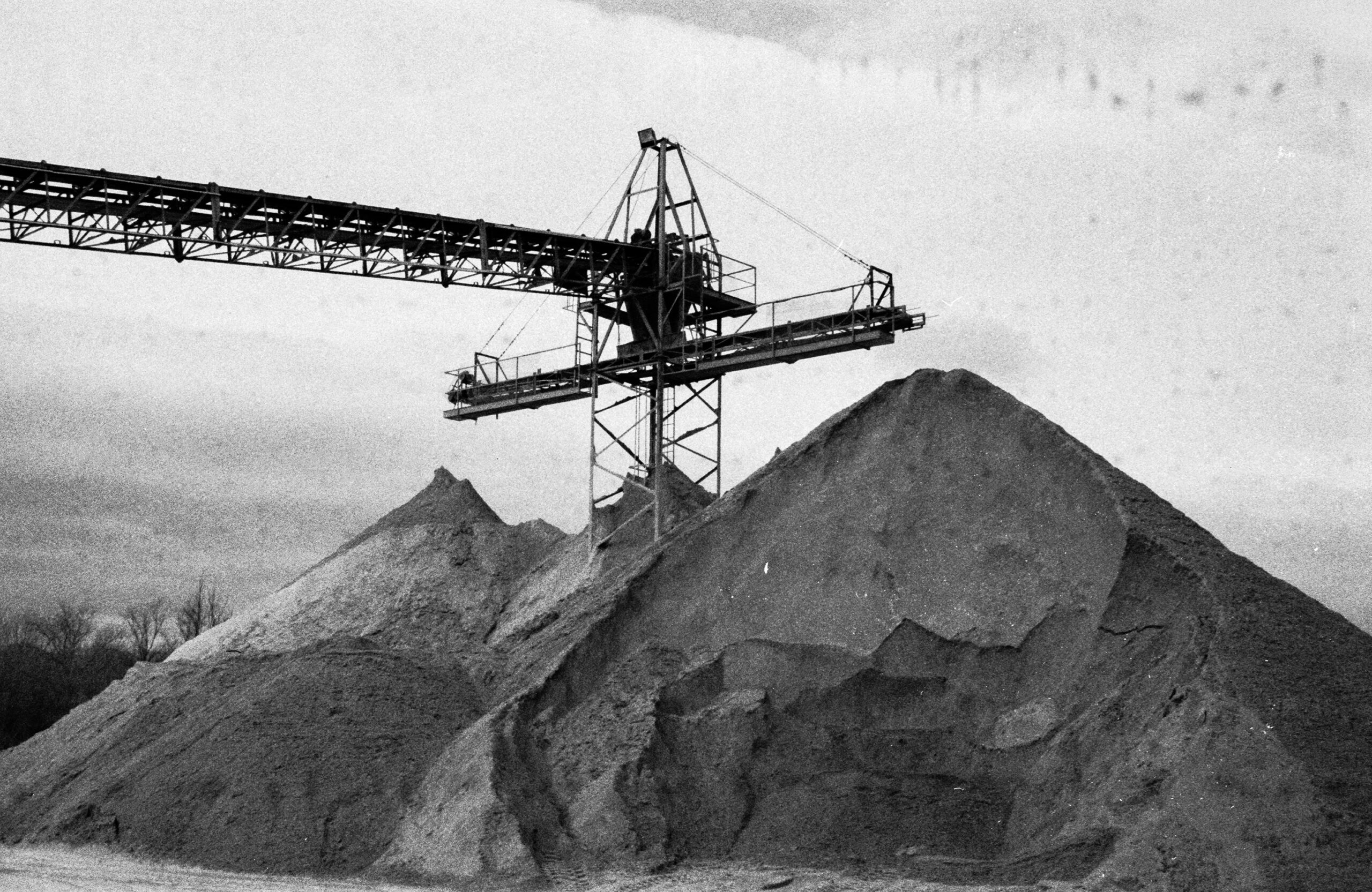
The images presented here depict the bleak, seemingly despairing, and half-lethargic screams into the void of modern industrialism. Half-completed buildings set against the desolate backdrop of a monochrome landscape become concrete golems in the process of being born—creatures of an unnaturally fitting black-and-white wasteland. The quiet yet unsettling imagery induces raw emotions of revolt and indignation within what Rosato calls “everyday hells,” which are continuously processed to become “something worthy of observation.”
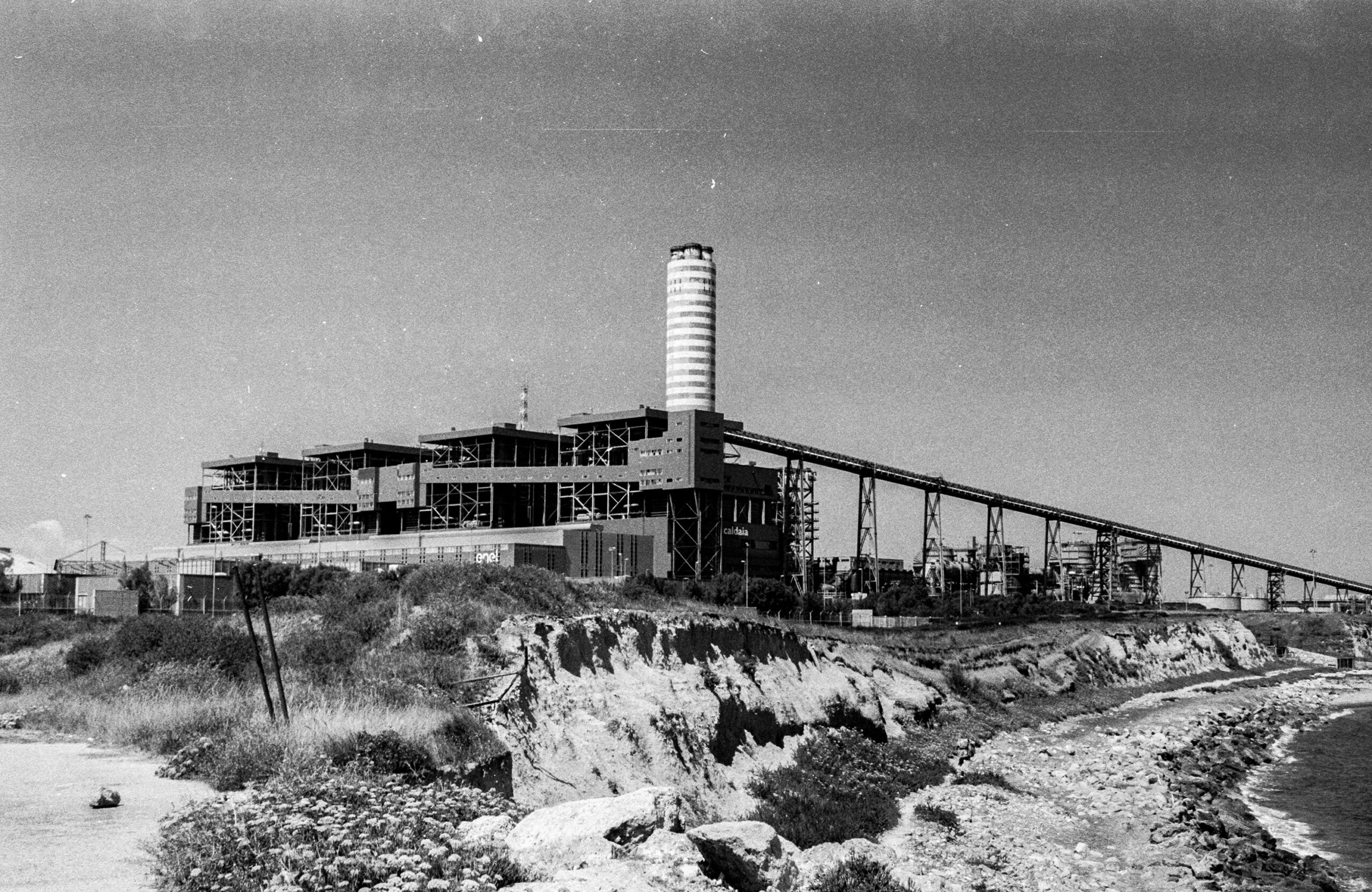
Artist’s Note:
“Photography has the power to transform wounds into geometric shapes and scars into landscapes, to make even the rotten fascinating and even the devastated interesting. With the right framing, destruction and decay become aesthetic. Black and white can present danger as abstract, transfiguring it into representations distant from us. The beauty of the image can numb the gaze and normalize the unacceptable.
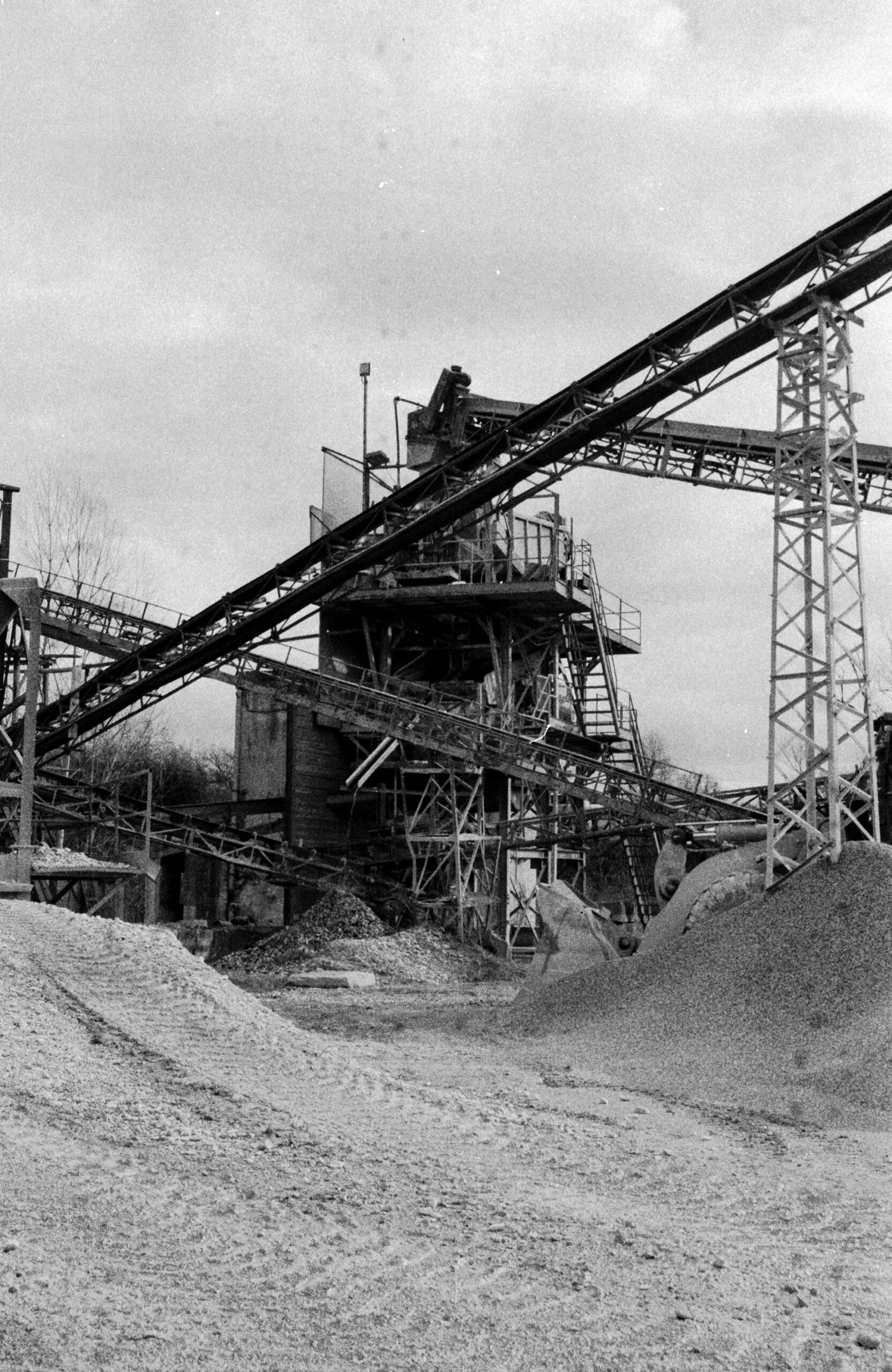
Often, however, these are illusions. Some places are not neutral: they are traps that consume, where progress, portrayed as safe and sustainable, does not exist. Behind images, sometimes, hide everyday hells: we thus transform horror so that it can be represented in something worthy of observation. Photographs alone have the power to narrate reality, but we must not merely observe it; we must understand it to comprehend it.
Reality remains beneath and around destruction. If we stop at superficial beauty, we fail to assimilate its truth. If we don’t look beyond appearances, we accept the violence’s continuation: while we admire forms and surfaces, the disaster unfolds. In silence.”
Read our “Aberration” issue in full
The 31 artists featured in RAWGUE. Magazine’s 5th issue stray from the expected, taking untrodden paths, contemplating imperfection, solitude in its many forms, and the ongoing process of self-acceptance. Through shifting perspectives, their works explore what it means to look at oneself from the outside, as if through broken glass.


We’re a team of writers using our craft to spotlight art in its most honest form. RAWGUE. started as a bi-monthly editorial experiment where each issue’s theme is dictated by the submitted work, thus removing editorial bias from the equation and preserving a more raw approach. We focus on all forms of poetry: written, photographed, painted, drawn, and filmed.

