
Self-proclaimed “Wanderer in Gardens,” Yang ZHOU, is a photographer based in the UK. Her portfolio is a collection of projects deeply rooted in fantasy literature and its symbolism.
No matter the point of focus of her lens, the pictures have a dream-like, ethereal quality. Through her deep appreciation of J.R.R. Tolkien’s legacy, ZHOU created a photobook of Middle Earth. On the other end of her work, there are projects dedicated to the elderly, their wisdom, and the beauty of life well-lived.
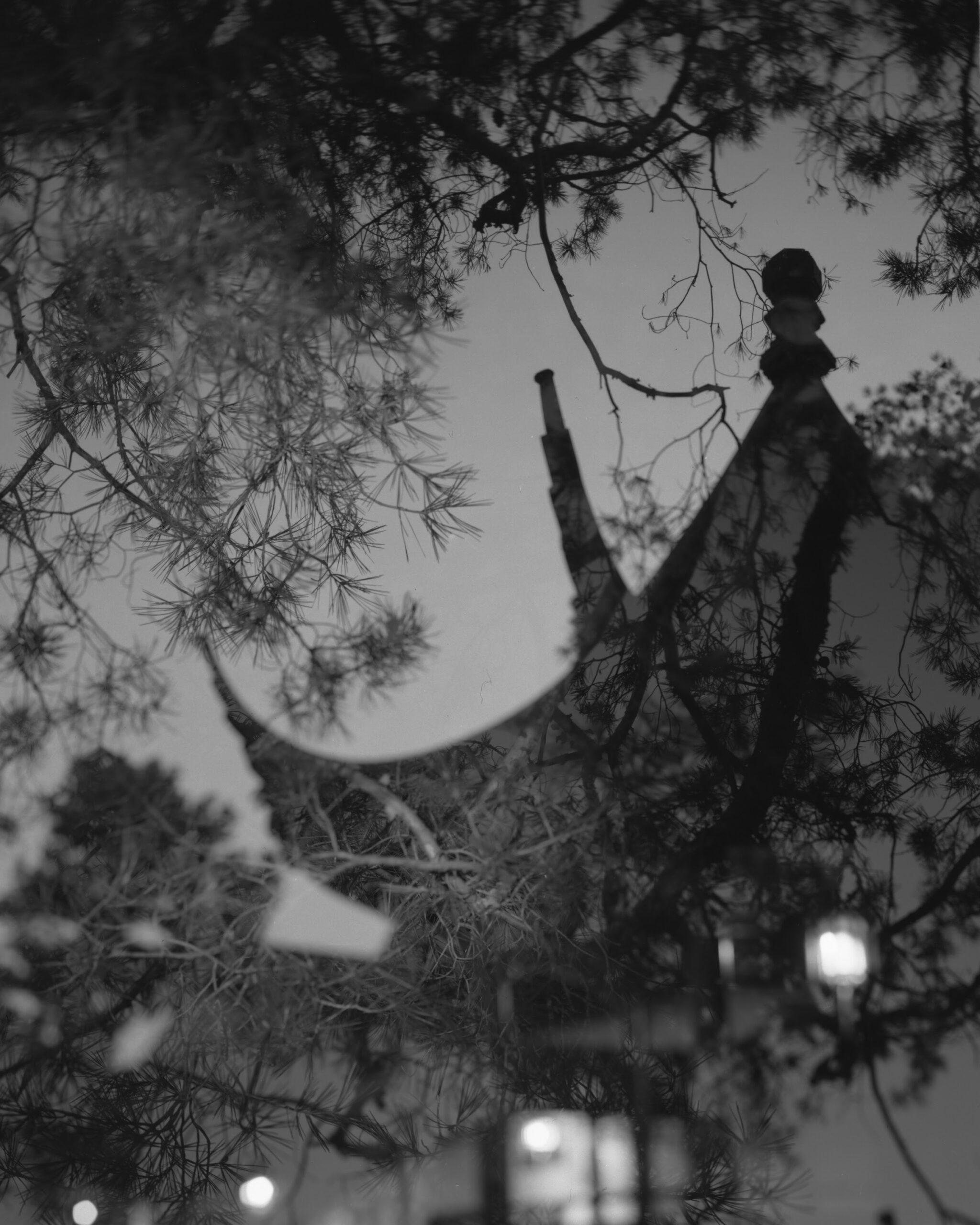
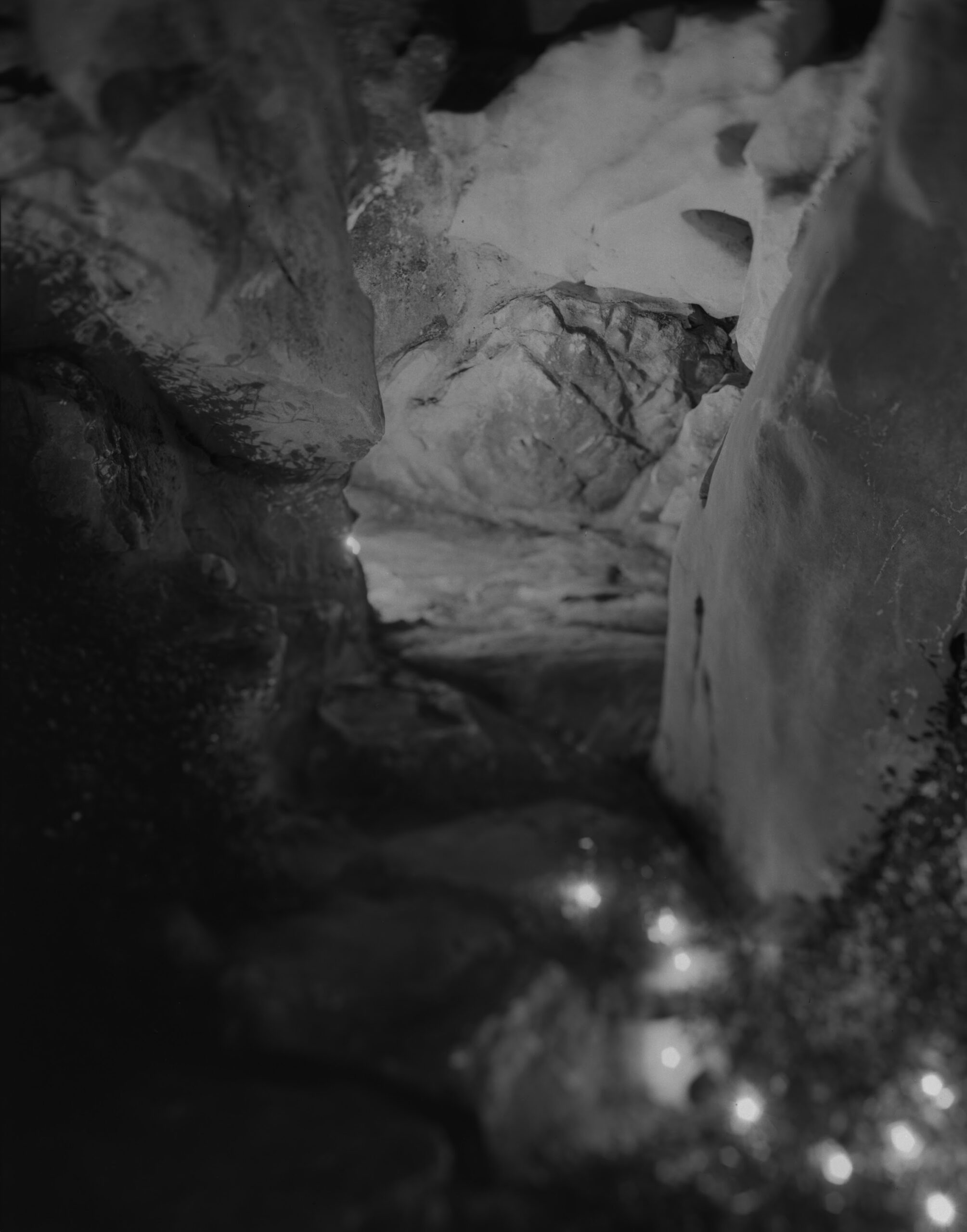
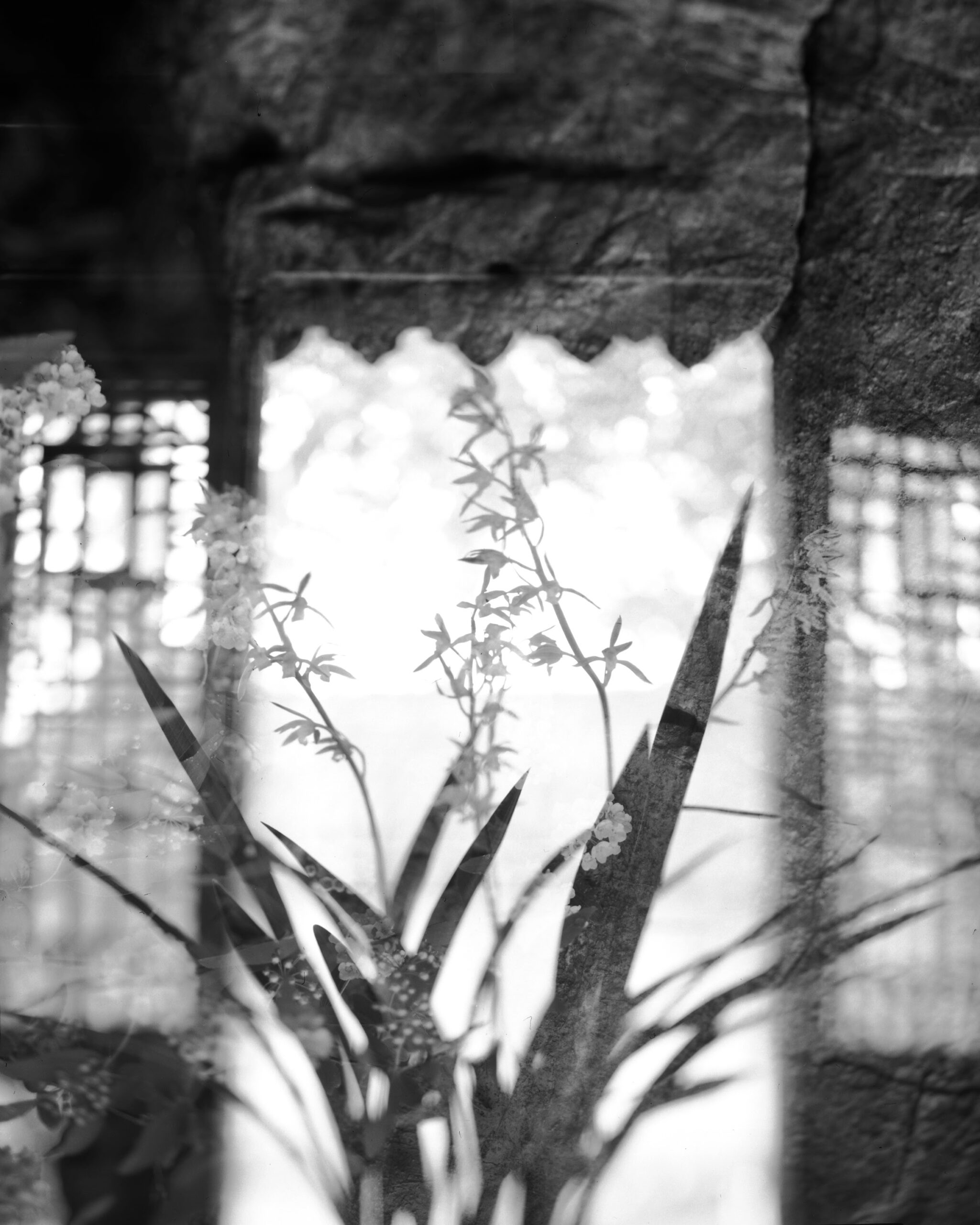
Through the ongoing photographic project “Faërie,” ZHOU uses the obscure, esoteric techniques of long and double-exposure spirit photography to bring back the souls of the secluded, atemporal gardens of the Ming Dynasty and restore them, rather than merely capturing them for evidence. This beautiful endeavor stems from the artist’s desire to reclaim the past, inviting ‘outsiders’ into what these austere, carefully curated patches of reality used to provide, rather than what commercial, tourism-driven globalization has turned them into.
Artist’s note:
“‘Faërie’ explores the traditional Chinese literati gardens with photography. Built by the scholar-officials of dynastic China, these gardens were historically conceived as a sanctuary in times of political struggle. Time seems to work differently within and outside the gardens. A thousand years could have passed in the real world while merely a day passed in the gardens. As such, the garden space is a Faërie within the physical world.
In effect, literati gardens do not follow the law of nature, nor are they mere simulations of our primary world. Rather, the scholar-officials of dynastic China who built them were sub-creators of a secondary world, in the same way that J. R. R. Tolkien argued that fairy-story authors create a secondary world, a Faërie, that follows its own law and into which our minds can enter and find escape and consolation. Literati gardens are three-dimensional secondary worlds into which we can physically enter. In such realms our ultimate desire could be fulfilled: escape from death. After all, in the Ming Dynasty classic The Peony Pavilion, it was in the garden that a fair maiden woke up from death for her true love.
My photographic project represents the gardens as an Otherworld. Indeed, ‘spirit photography’ has historically been used to portray the existence of supernatural phenomena and make the invisible seen. Using the techniques of long exposure and double exposure, while drawing on the photographic medium’s traditional ‘truth claim,’ I transform the gardens from present-day tourist sites back to a mysterious realm. When the setting sun shines upon the lotus flower in the middle of the lake or when the goldfish disappears into the depths, viewers could look beyond the material world and find the hidden Faërie.”
Read our “Aberration” issue in full
The 31 artists featured in RAWGUE. Magazine’s 5th issue stray from the expected, taking untrodden paths, contemplating imperfection, solitude in its many forms, and the ongoing process of self-acceptance. Through shifting perspectives, their works explore what it means to look at oneself from the outside, as if through broken glass.


We’re a team of writers using our craft to spotlight art in its most honest form. RAWGUE. started as a bi-monthly editorial experiment where each issue’s theme is dictated by the submitted work, thus removing editorial bias from the equation and preserving a more raw approach. We focus on all forms of poetry: written, photographed, painted, drawn, and filmed.

