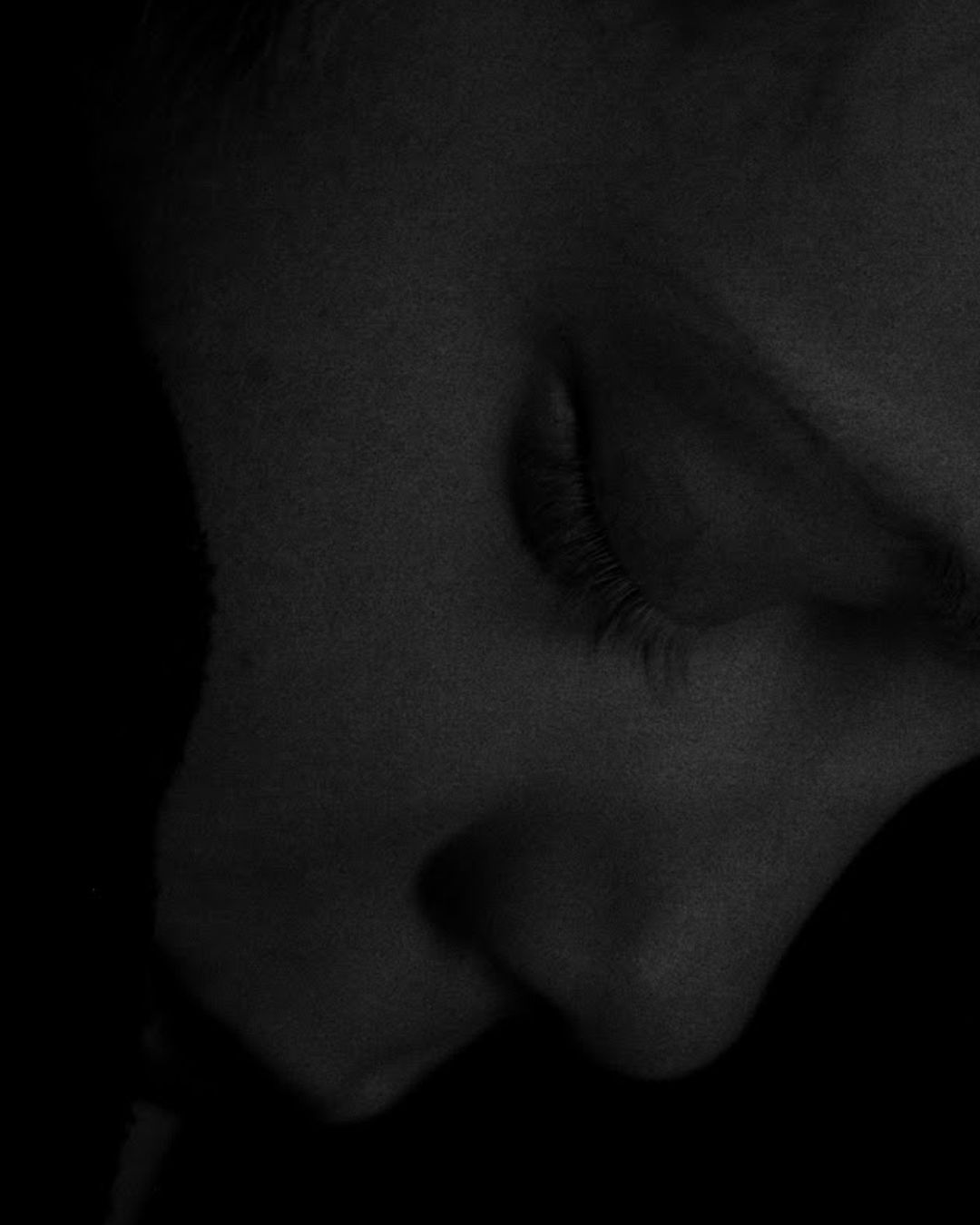
Francesco Topino is an Italian photographer who has been experimenting with street and architecture photography for more than three decades.
His portfolio is a large, contemplative blend of digital and analog techniques, minimalism, and monochrome. Topino uses this artistic outlet as a lens for subjective narratives on two levels: primarily to understand himself and, secondarily, to understand the inter-relationships between others and their surroundings, emphasizing that his entire body of work can be regarded as a chronicle of identity.
Topino’s portfolio is a multilayered study on boundaries—between reality and subconscious, introspection and connection, and stages of grief and creation. In this deeply personal body of work, inspired by poetry, Topino explores the difficulty of navigating fragmented relationships.
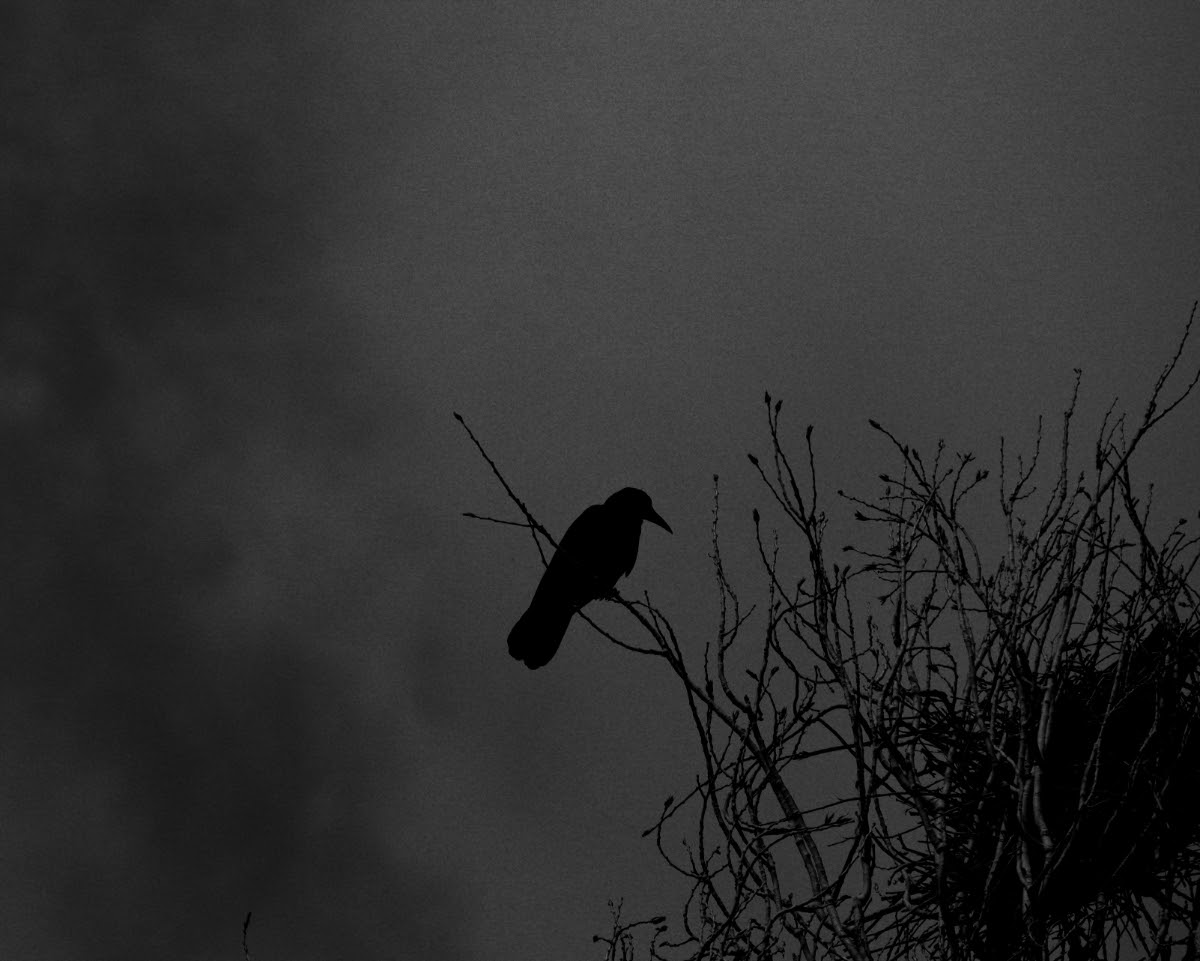
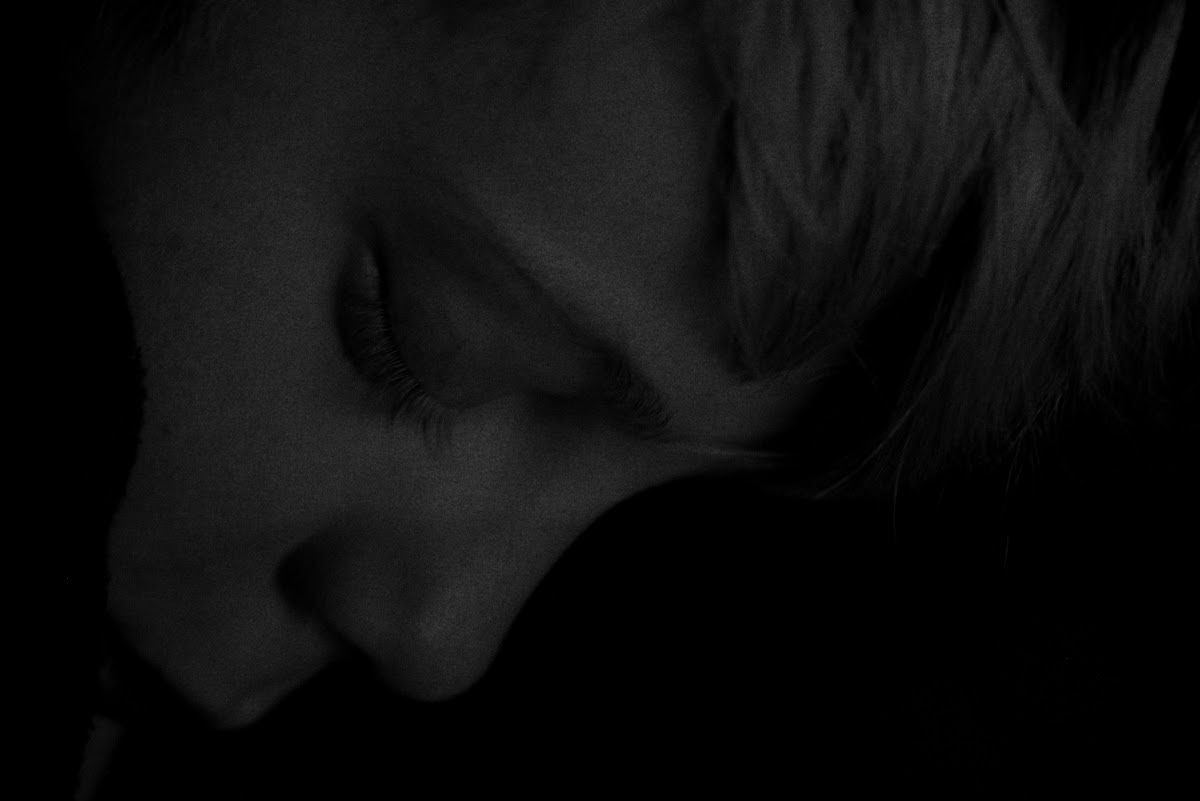
In the highly intimate series titled ‘Lost Son,’ the photographer dissects his rapport with his estranged son by building a comprehensive parallel with Theodore Roethke’s poem ‘The Lost Son,’ which can be interpreted as a poetic version of the Kübler-Ross five stages of grief. In this sense, Topino takes us on a grim, visual, and deeply personal ongoing journey that eventually leads to the hopeful path of self-acceptance.
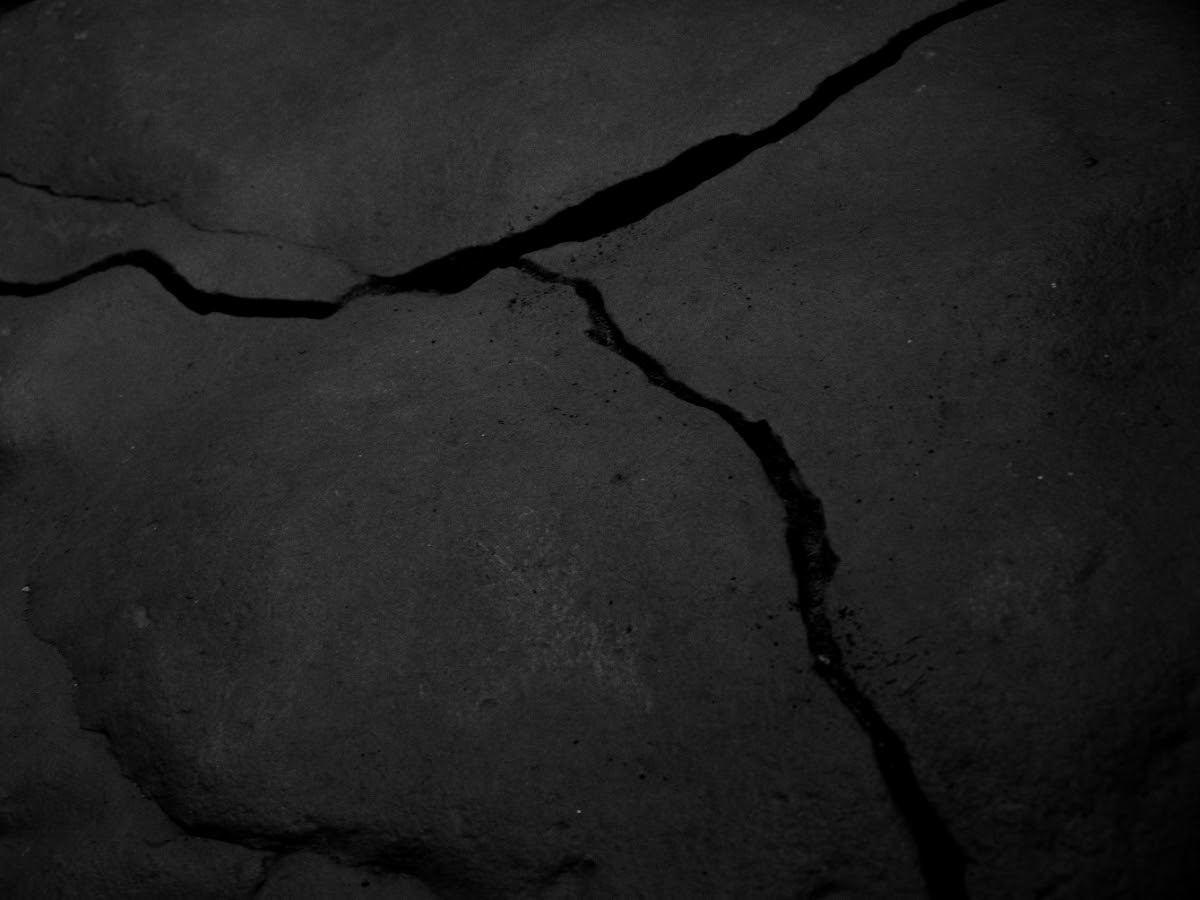
The monochrome of the photos portrays something that is rarely black-and-white—feelings and decisions that we take based on them. Close-ups, blurred lines, and fractures are alluring, yet borderline claustrophobic. Almost as if we are too close to the picture to understand its meaning. It seems that the artist uses all the tools and techniques available to minimize the distance, to reach and grasp the ungraspable, something that only nature itself perfected—the balance between creation and demise without succumbing to grief.
The constant renewal is the main theme of the series, in which Topino strives to not be mortified by the raven’s croak but to welcome it as an essential part of his personal and artistic journey.
Artist’s Note
“‘Lost Son’ is part of a larger body of work entitled ‘Blurred.’ It is inspired by the 5-part poem ‘Lost Son’ by Theodore Roethke and based on my own complicated relationship with my distant son.
‘Lost Son’ is an exploration of grief and emotional turmoil, structured into five distinct sections. Through this journey, the project articulates a deep struggle with loss, inviting personal contemplation of one’s own experiences of grief and renewal.
The series begins by setting a tone of sorrow following the metaphorical death of the son’s father, with the former seeking solace in nature to no avail. This part touches upon the complicated relationship between a distant father and son with geographical distance exacerbating existing issues and making resolution more difficult.
As the son grapples with his grief, the second part of this series highlights the dangers of delving into the unconscious. The son goes through a period of physical and psychic exhaustion, and other obsessions begin to appear in his mind, presenting a stark reminder of mortality.
In the third section, the son’s wandering mind struggles to find meaning amid despair. His obsessions begin to take hold. He goes through frenetic activity, then lapses back into almost a crooning serenity.
In the fourth section, the son experiences a glimpse of hope as he recalls childhood memories with his father. Thus, suggesting some kind of restoration of order and clarity after the agitation and exhaustion of the earlier actions.
A sense of acceptance and the cyclical nature of life characterizes the last section. It emphasizes that while understanding may be out of reach, peace and joy can eventually return.”
Read our “Aberration” issue in full
The 31 artists featured in RAWGUE. Magazine’s 5th issue stray from the expected, taking untrodden paths, contemplating imperfection, solitude in its many forms, and the ongoing process of self-acceptance. Through shifting perspectives, their works explore what it means to look at oneself from the outside, as if through broken glass.


We’re a team of writers using our craft to spotlight art in its most honest form. RAWGUE. started as a bi-monthly editorial experiment where each issue’s theme is dictated by the submitted work, thus removing editorial bias from the equation and preserving a more raw approach. We focus on all forms of poetry: written, photographed, painted, drawn, and filmed.

