
“Keep an open mind and stay observant, and over time you’ll keep discovering new ways of doing things, which will only benefit whatever it is that you’re creating.”
Multidisciplinary artist Miki Węcel, based in the United Kingdom and Poland, returns with an extended feature of 3 new photography projects and the first-ever RAWGUE. Interview, as part of our RAWGUE. Dialogue segment.
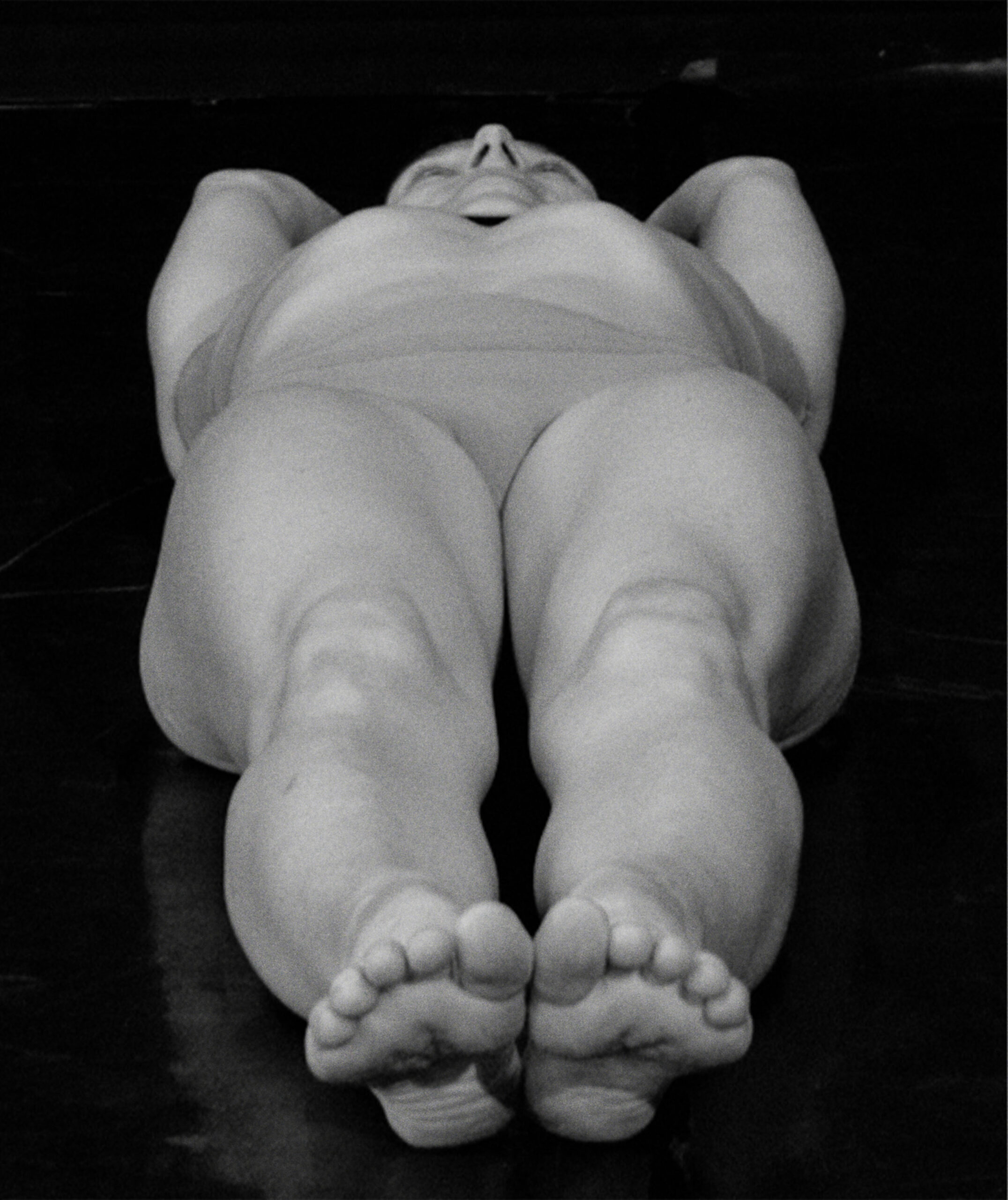
The first project brings the viewer incredibly close to the subject’s skin, offering an intimacy beyond the ordinary acquaintance with photography. “I’m really drawn to skin and the details and shapes that hide in looking closer at something. I spent a long time thinking and shooting to really narrow down the right way to approach this body of work. My goal is to isolate parts of bodies into new shapes and patterns that only come to life in a specific frame, and these are some of my (still) early examples,” the artist describes.
The second project presents a polar opposite approach from the extreme focus of the first one. Here, the viewer is presented with distance and distortion. As Węcel puts it, “As much as I love contrasting and clear portraits, I love what happens to faces and bodies when you distort them; there’s a new uncertainty and interest about them. I don’t try to go for a specific look, but I know what it is when I find it, something that makes you want to keep looking at the photo to figure out that person. This is a collection of photos I’ve shot over the past 2 years, learning and narrowing down those aspects and approaches that give me that feeling to stop and look longer.”
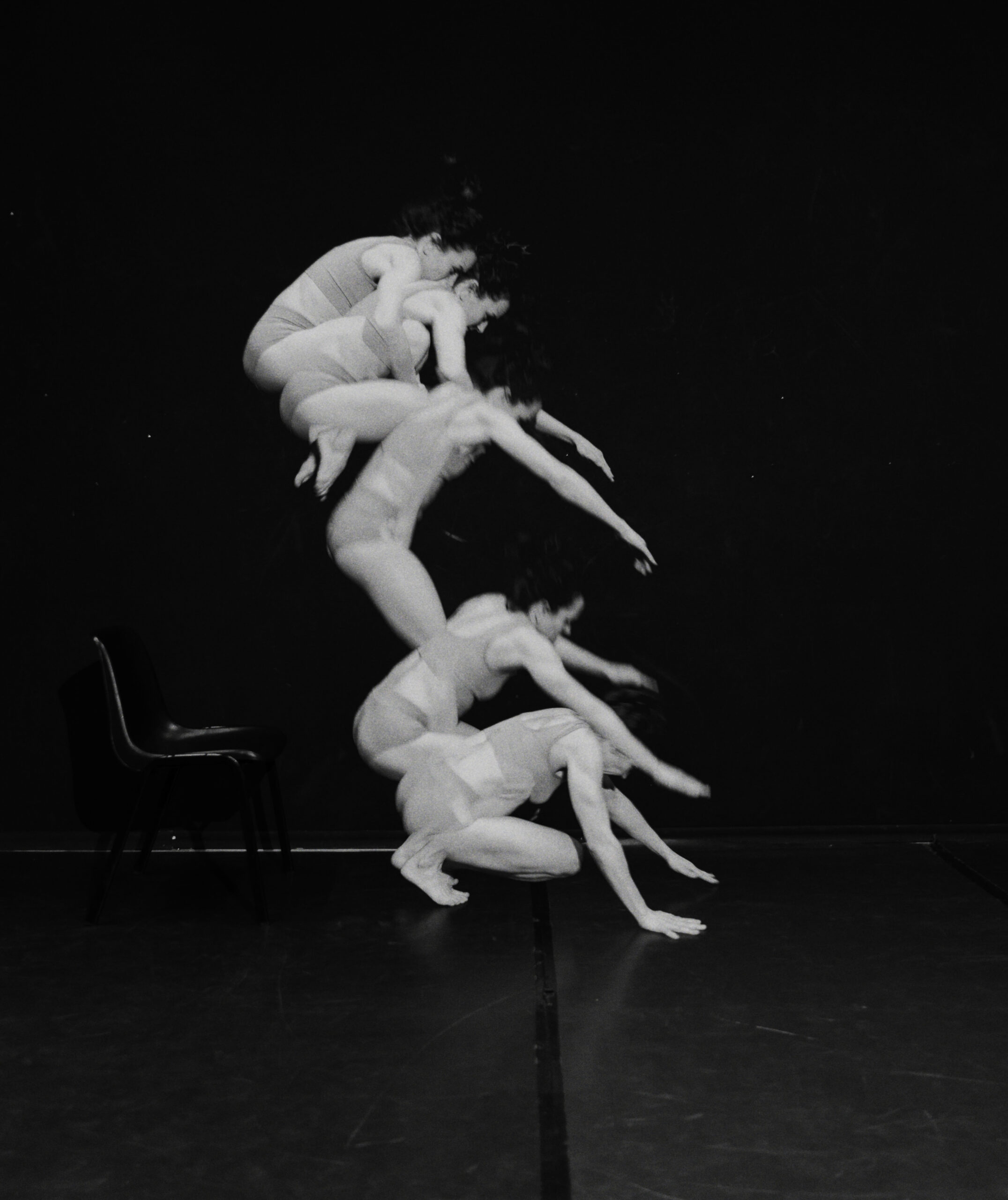
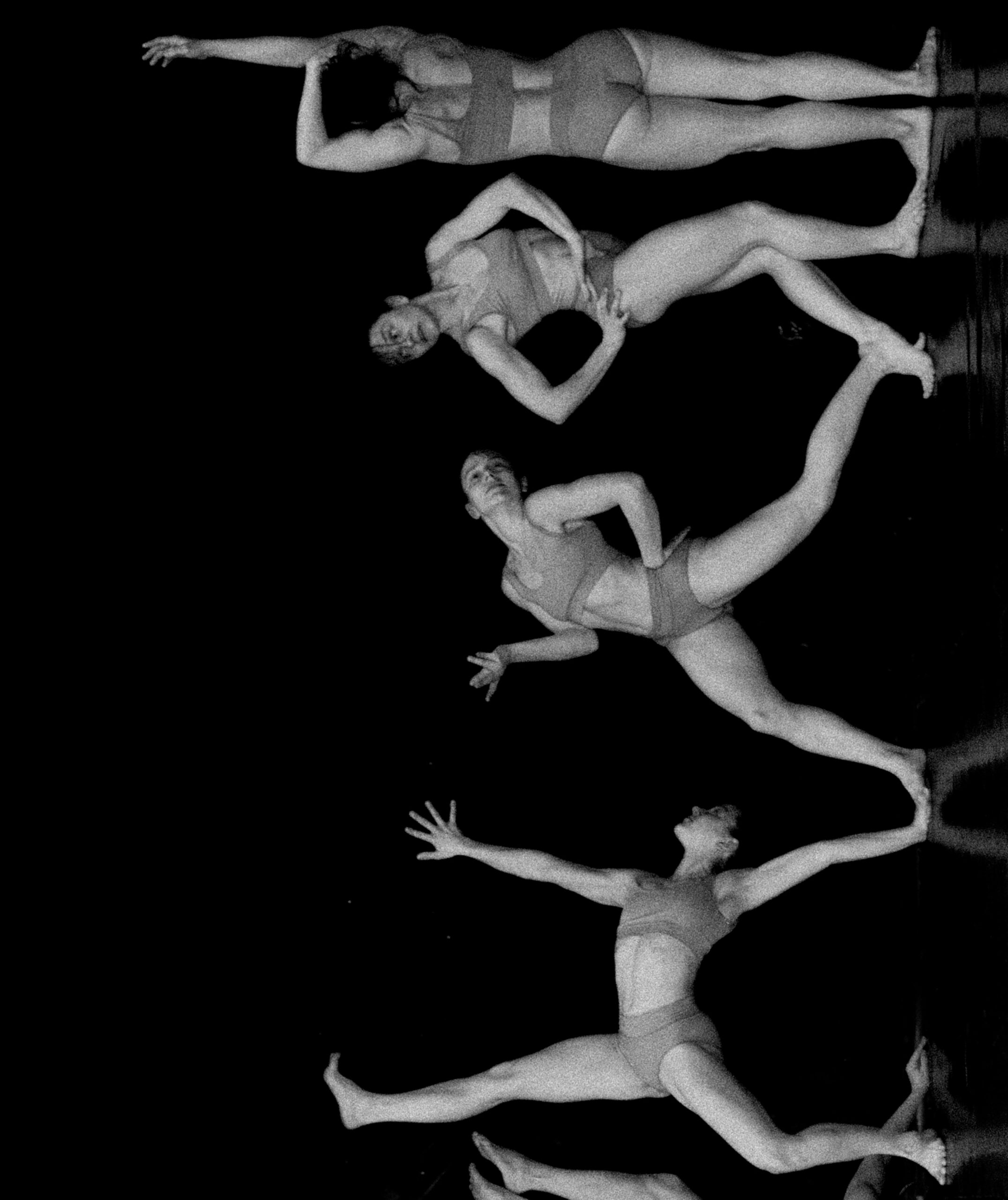
Węcel’s latest series, created in collaboration with performer and choreographer Natalia Dinges, captures the anatomy of movement in a synergistic, almost symbiotic relationship that ties the previous two together, perfectly binding them and closing an unexpected virtual cycle. Borrowing the close-up attention to the human body from the first project and the element of distortion from the second, the photographer and the dancer find the perfect balance (sic!) in transposing movement into a visually static environment.
“The initial goal was to […] capture a clean but interesting composition showing the range of movement within a frame created by Natalia Dinges. In the process, however, I started to notice shapes, patterns, and movements and decided to highlight what stood out to me as the most interesting instead.”
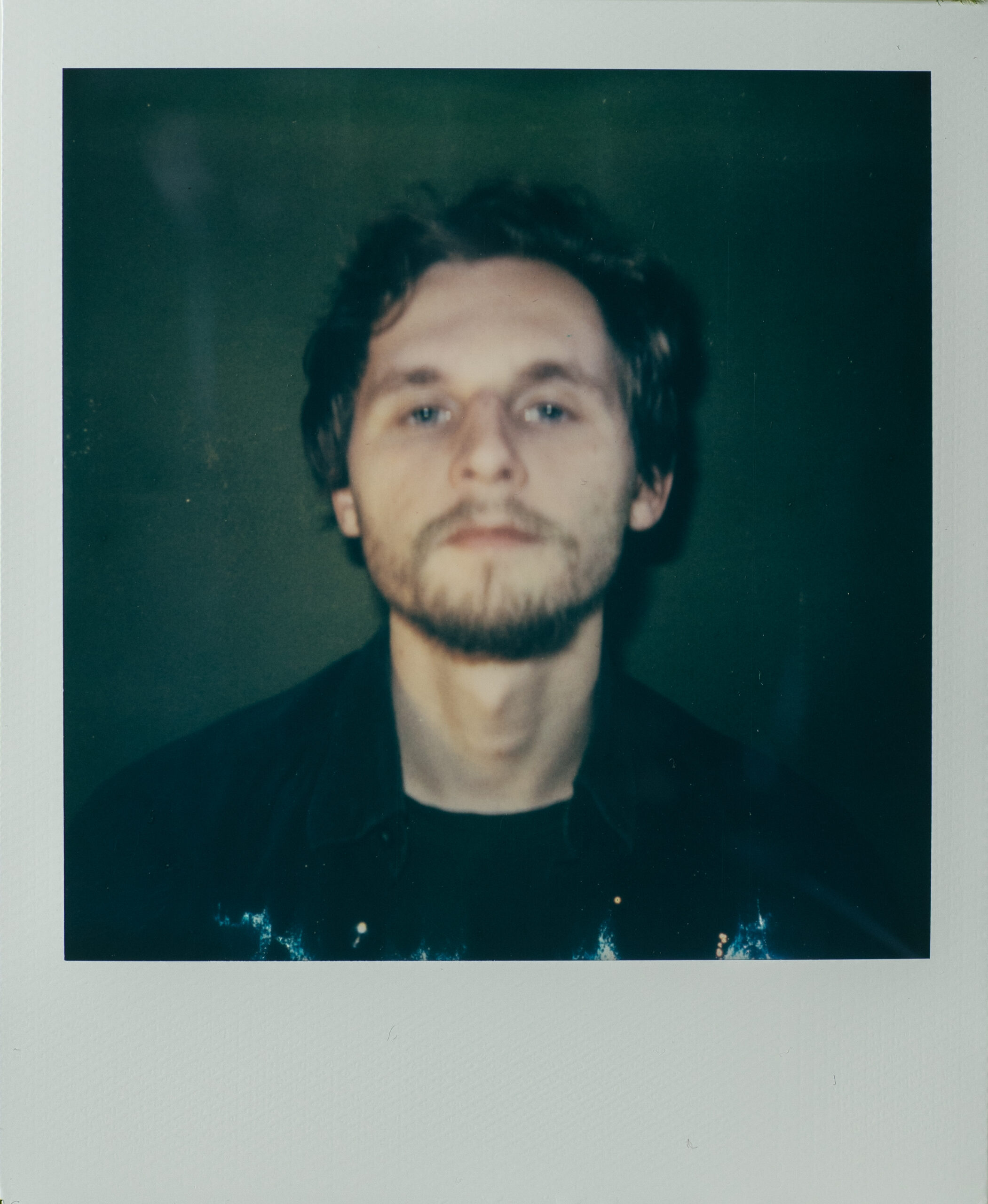
RAWGUE.: Hello Miki, we are so glad to have you as a guest in our RAWGUE. Dialogue. Could you introduce yourself to our readers?
Miki Węcel: Thank you for having me; I’m really grateful for the opportunity. My name is Miki Węcel (pronounced Ventzel). I’ve been dabbling in photography for a few years now, ever since I started it while shooting BTS material and eventually the stills on the set of ‘The Peasants,’ where I was also one of the editors of the movie. After largely abandoning editing in favor of photography, I started shooting mostly portraits and have since worked on finding my own style and visual language, but I have a desire to be able to shoot a wider range of subjects and places for editorials.
You describe yourself primarily as a photographer and musician and an occasional cinematographer. How much of a photographer do you bring to the set, and how much of a film production technique is present in your photography?
I think it’s only lately that I’ve learned to use what I know from photography when doing video; before that, they used to be two separate worlds. For me, video used to be a really complex subject, and the more I managed to learn about lighting, composition, texture, color, and style (something that I’m trying to develop in both) through photography, the more I’m able to take these skills into video.
It appears that your multidisciplinary artistic endeavors complement each other rather than being independent. How do you manage to assign both time and dedication to fully develop each of them?
I really do not. How I wish for more days inside of every week! I try to cut out unnecessary or time-consuming things in my life to make time for all my interests because I think it’s only through time and practice that I’m able to learn how to get better and progress, and that’s my main goal at the moment, for them all to come together successfully like a crescendo and complement each other.
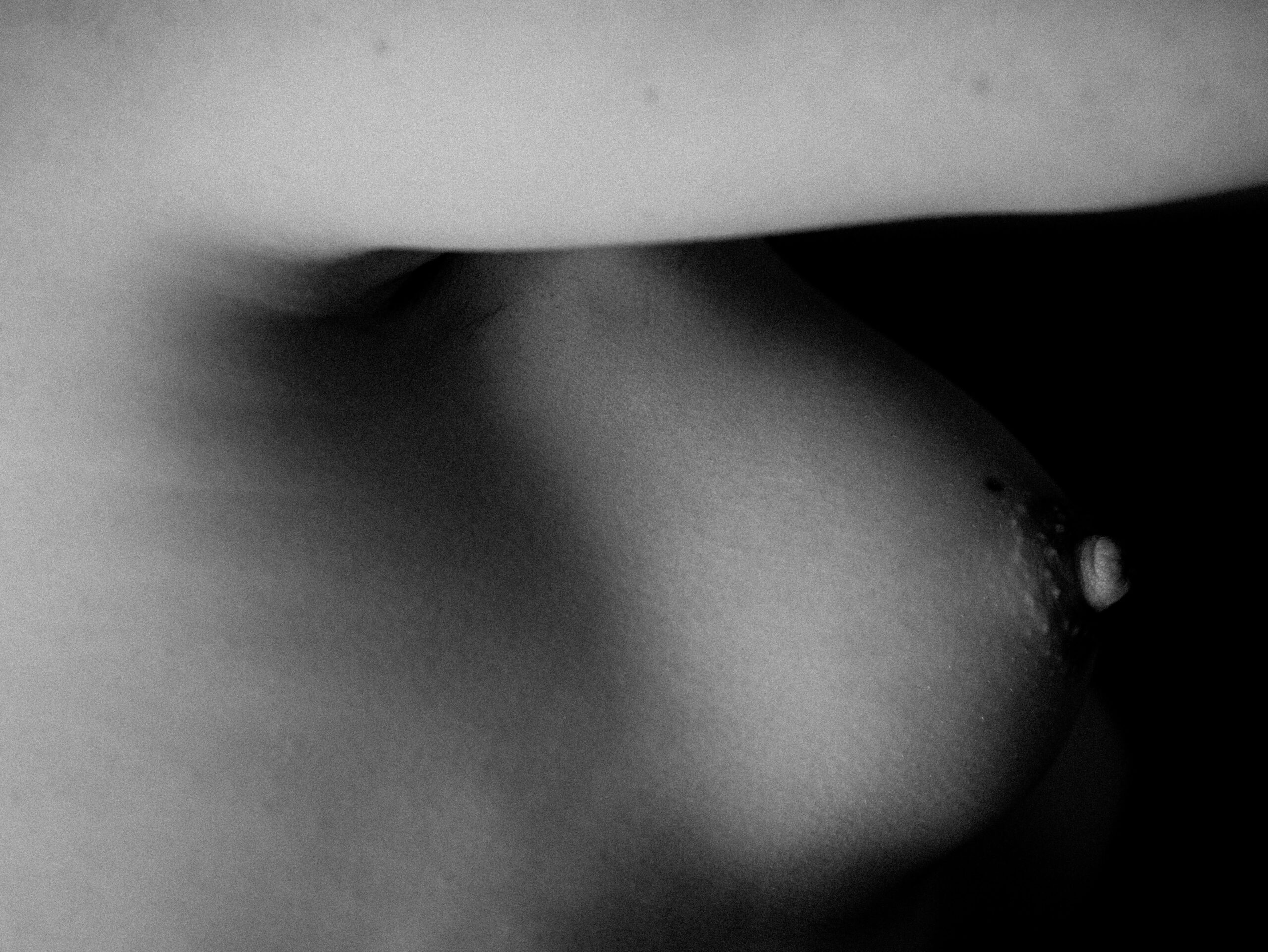
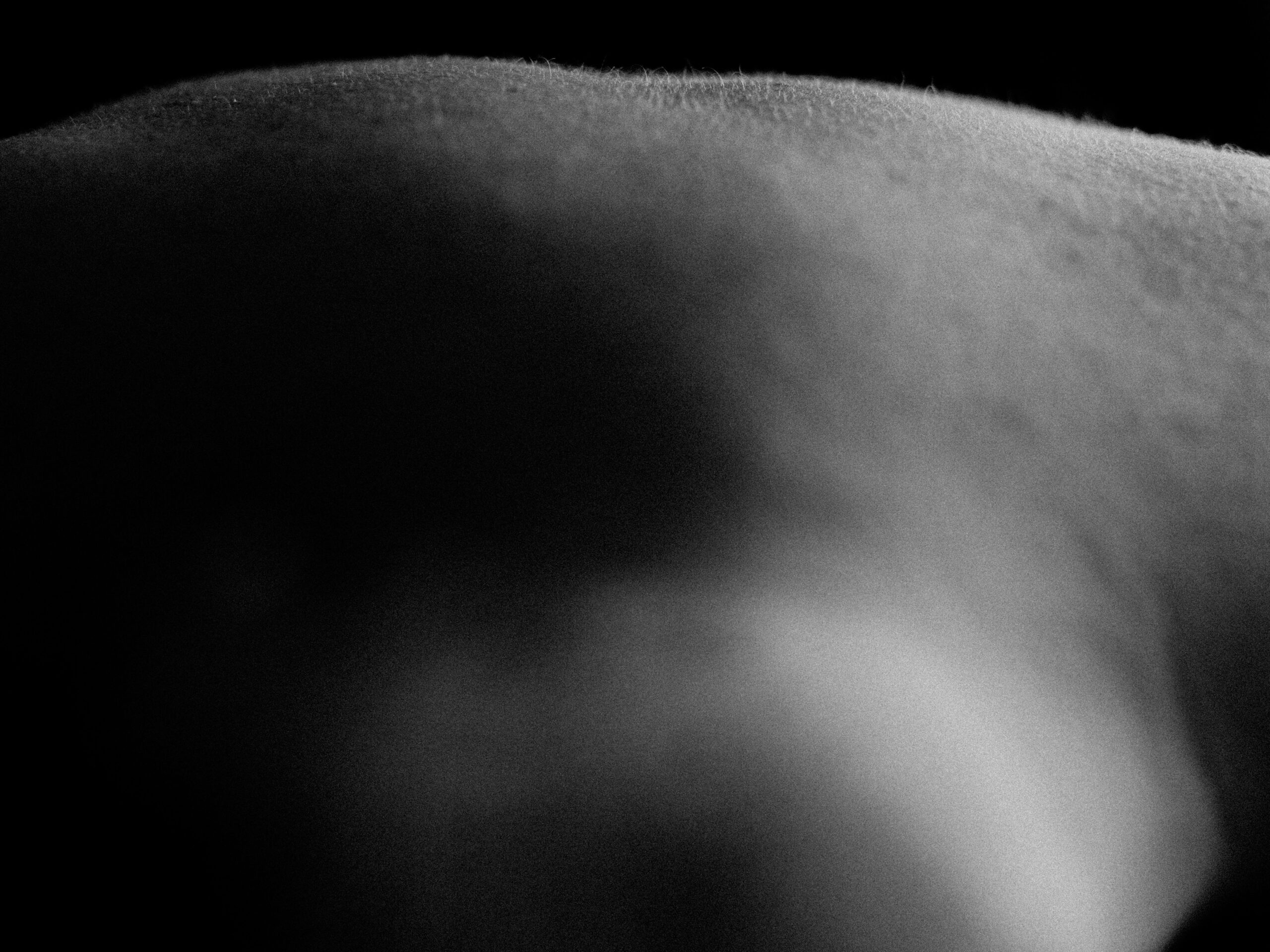
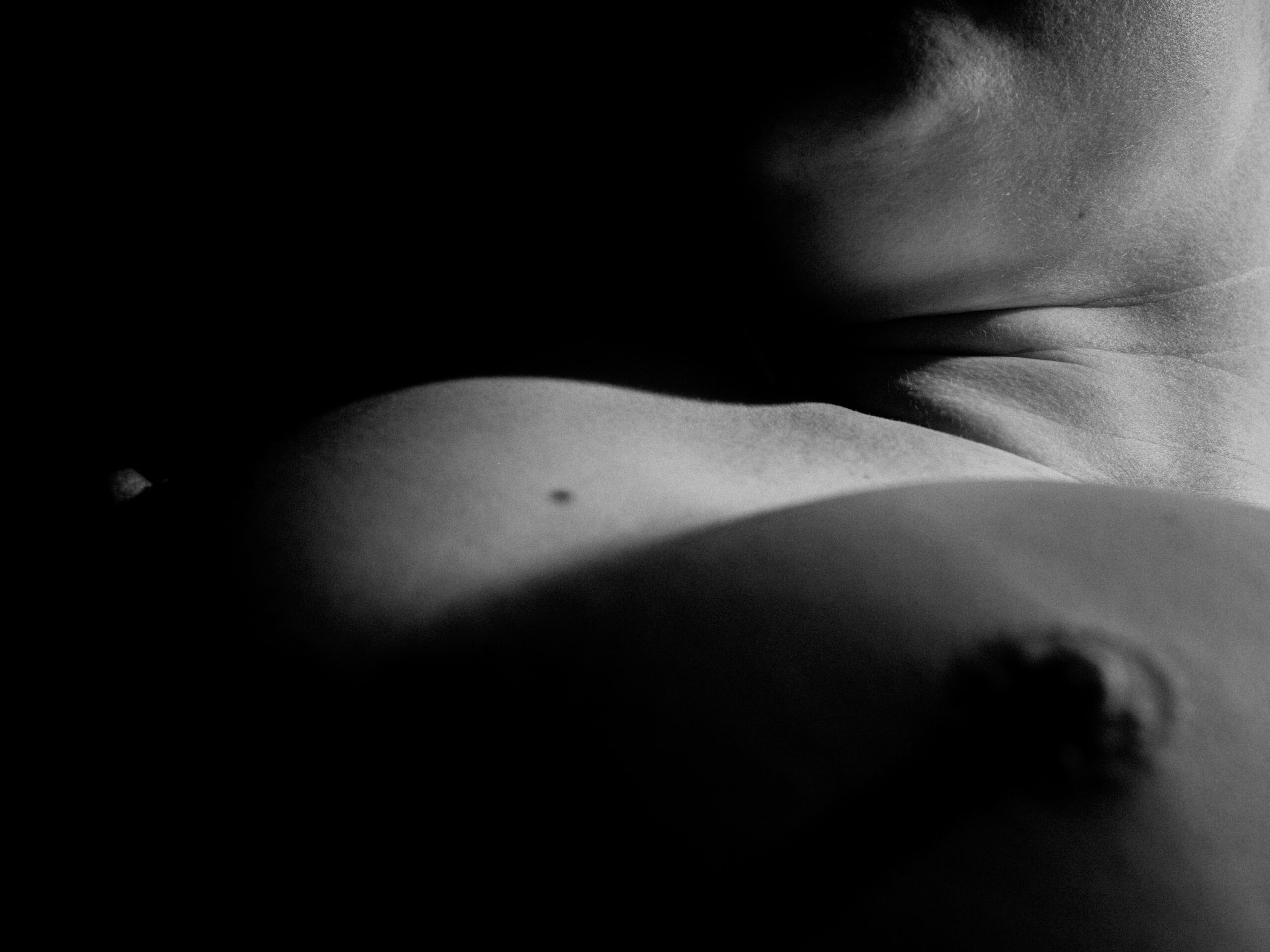
“I love when I get a sense that maybe
no one’s taken a picture quite like this one just yet.”
One of your new project’s goals is “to isolate parts of bodies into new shapes and patterns that only come to life in a specific frame.” It seems that you are slowly peeling layers off of an individual. Where do you believe this magnetism toward an active and curious detachment stems from?
I really like when you look at a picture that takes a few seconds to figure out; it doesn’t necessarily have to be because the image itself is confusing but because of that detachment that fuels the curiosity to know the whole or to understand the expression of the person. Now especially when you’re competing with algorithms and shorter attention spans, it really makes you work, and in a way I believe it’s something that motivates me to get better too, to work on making it curious for the viewer.
But I also do love when I get a sense that maybe no one’s taken a picture quite like this one just yet.
When you create a portrait, what do you aim for? Depiction of the individual, a representation of an idea, or an aesthetic?
There are definitely two approaches here. Sometimes I like to place my subjects like my Greek statues, chin up high or in profile, but very often a lot of my portrait shoots are filled with conversation; despite me being an introvert, I’ve managed to develop a skill for conversation. What I’ll usually do is get people talking, give them 0 instructions, and walk around them, look for angles, adjust the light, and repeat, maybe sometimes giving them small instructions if I feel they need to be in a very certain spot for the light, and with that, I guess what I aim for is them in their element, forgetting that they’re being photographed.
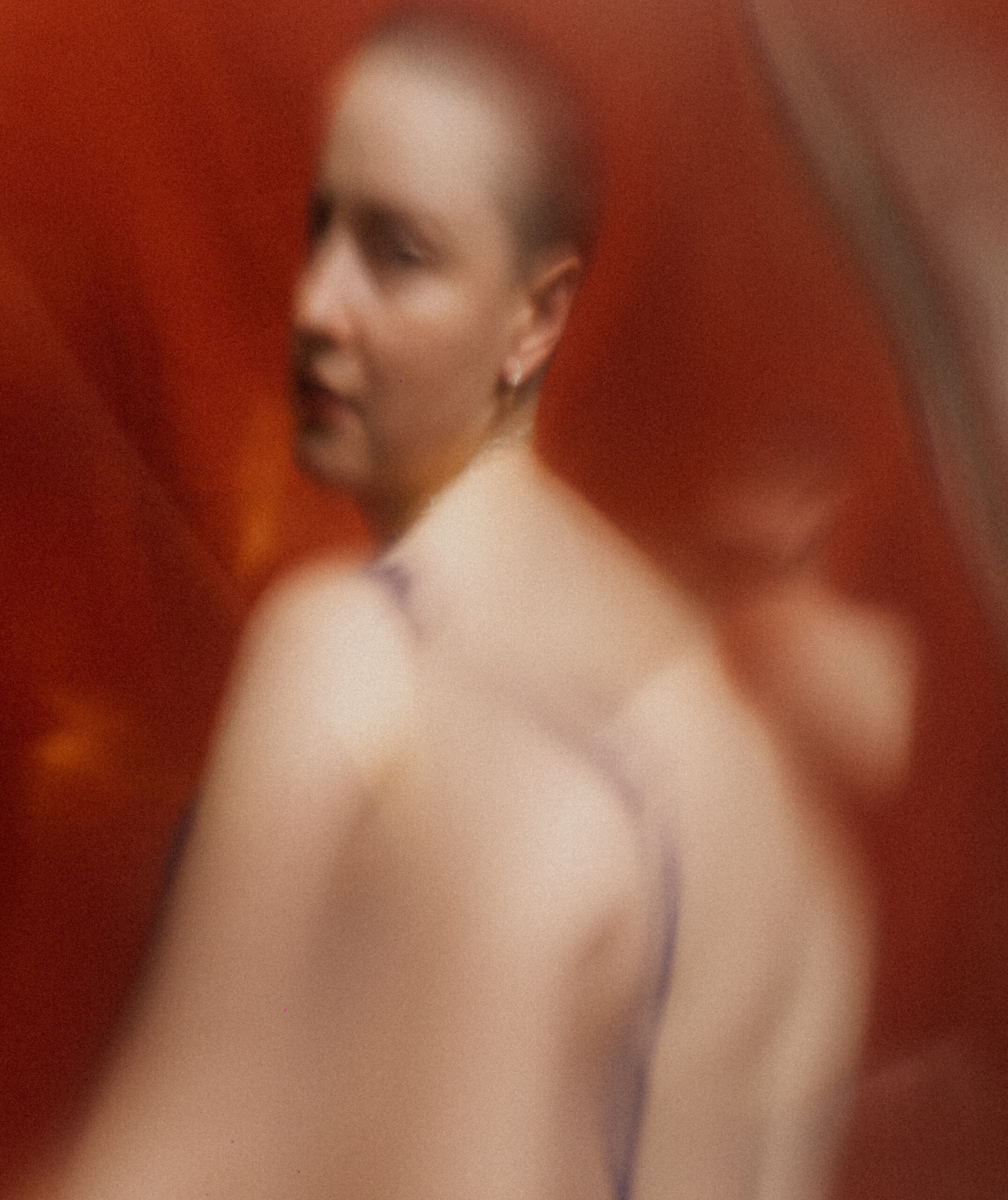
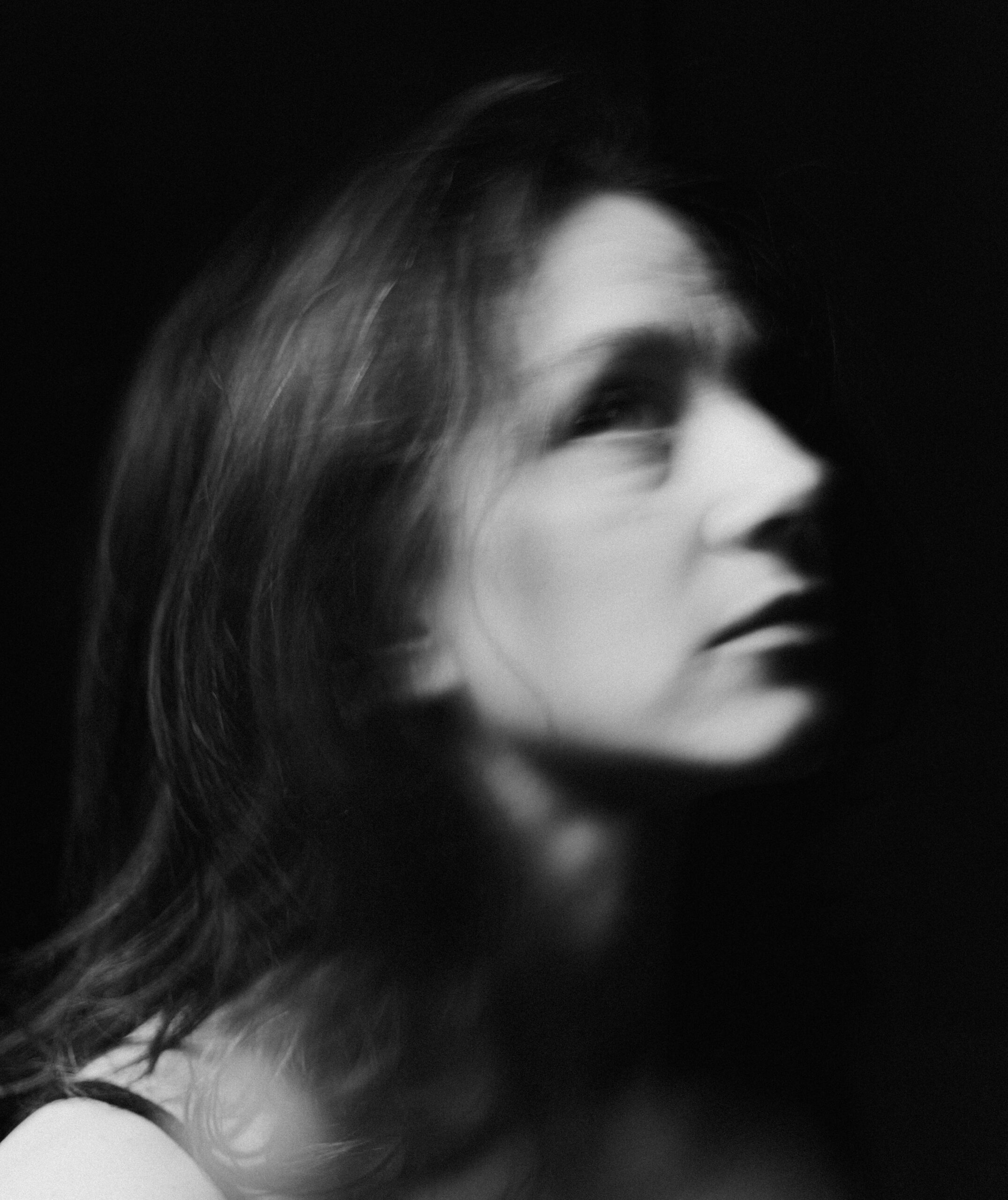
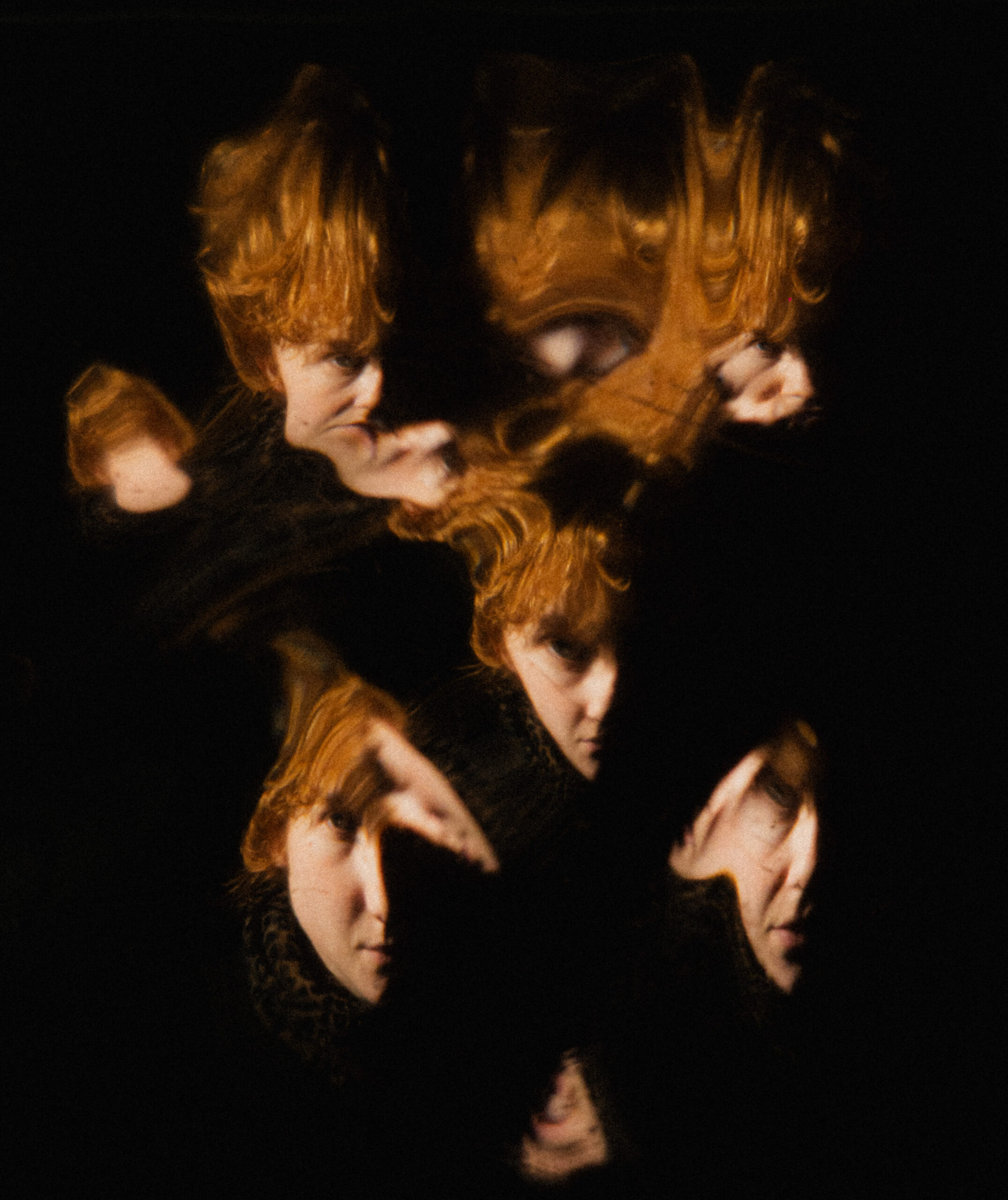
The portraits you create are rarely straightforward—they usually include shadows, distortion, or geometrical shapes and always achieve a sense of perfect balance. How much of that vision is calculated, and how much is created by pure artistic instinct? Is your creative process premeditated or rather spontaneous?
I used to try to plan every single picture beforehand; this obviously doesn’t actually work out in practice, but it used to help me to try different light setups, often using references from my favorite photographers. Since then I’ve mostly relied on knowing what works in terms of the light and trying as many of those as I can during a shoot, meaning that I’m changing the lighting often and not trying to perfect any one setup and adding a new thing or two at every portrait shoot unless there are some predetermined ideas.
Why is it that portraits are best suited to convey your artistic vision?
I’m really not sure; as much as I’m drawn to interesting places and locations, there’s just something about finding that certain expression on a person’s face. I think this is also why using distortions and harsh shadows works for me because it enables more of that uncertainty and uniqueness to come out. But every now and again I have a little breakthrough about photography, and using specific emotions as a tool instead of light is something I’ve thought about, especially when shooting with actors who have so much of it at their disposal, but I guess that’s another thing I will try to bring in more with time and experience.
Has art always been something that you aimed for to be your profession, or do you see your artistic activity more as a passion? Where does the scale lean?
Always, but my main problem has also been that I felt like I didn’t realize that art could be a career for me until I was thrown into that world by chance later, and since then I’ve realized more and more that I’m playing catch-up with things I wished I’d tried and learned sooner. Now I’m more driven by working on my passions than ever before.
There is an almost Warholian, candid, and serialized aesthetic that can be traced in your work. What are three other major influences (photographers, projects, or currents) you feel the closest to?
That’s an interesting observation and certainly one that’ll give me something to think about. I guess the serialised aesthetic, if I’m understanding it correctly, could be down to some internal need to organize (which I struggle with), I have spreadsheets for so many things in my life, and I keep lists and accounts of many things. But the other thing could be that I like repetitions and simplicity in design but also some spicy uniqueness and grain and dirt, somewhere between art deco and modernism, and I want my pictures to be this mix of rawness and order.
“I get people talking, give them 0 instructions, and walk around them;
what I aim for is them in their element, forgetting that they’re being photographed.”
Off the top of my head, my main influences for photography are Jack Davison, overall beautiful and creative work, simplicity, purity, and yet still gritty. I also love Sarah Van Rij’s work and her impeccable compositions and framing; the level of precision is one to admire (similarly with Wes Anderson). And third and always present for me is John Frusciante, not for his music specifically but for his approach to working on your craft and dedicating yourself to presenting your best work and always having an idea about what it is you want to create.
Tell us about the “People on the Floor” Polaroid series. What is the idea and the main goal of this project?
Honestly, it was pretty accidental. I had taken the first picture back in 2022, and it was actually my first Polaroid ever, and there was something about a person on the floor that created questions, which I liked. So I decided to take more, some less mysterious, some more, and we’ll see where it’ll go from there, but I’m already seeing patterns emerging, which I like.
Congratulations on your work as a director for the “Loving Vincent: The Impossible Dream” documentary. Are there any plans to return to filmmaking, and if so, could you give us some insights into your next film project?
Thank you. I think currently I’m just exploring short-form video to learn what my visual language is and how to create a world tied together by recognizable audio and visuals. Definitely a lot of work will go into the visual side of my next release as Faux Fur Bean Cube. And with that, I’m curious about the avenues that might open up.
What is one thing that you have discovered with time about learning a craft?
Keep an open mind and stay observant, and over time you’ll keep discovering new ways of doing things, which will only benefit whatever it is that you’re creating.
Read our “Aberration” issue in full
The 31 artists featured in RAWGUE. Magazine’s 5th issue stray from the expected, taking untrodden paths, contemplating imperfection, solitude in its many forms, and the ongoing process of self-acceptance. Through shifting perspectives, their works explore what it means to look at oneself from the outside, as if through broken glass.


We’re a team of writers using our craft to spotlight art in its most honest form. RAWGUE. started as a bi-monthly editorial experiment where each issue’s theme is dictated by the submitted work, thus removing editorial bias from the equation and preserving a more raw approach. We focus on all forms of poetry: written, photographed, painted, drawn, and filmed.

